ATF Stopped Enforcing NFA Registration, and It Can Snap Back
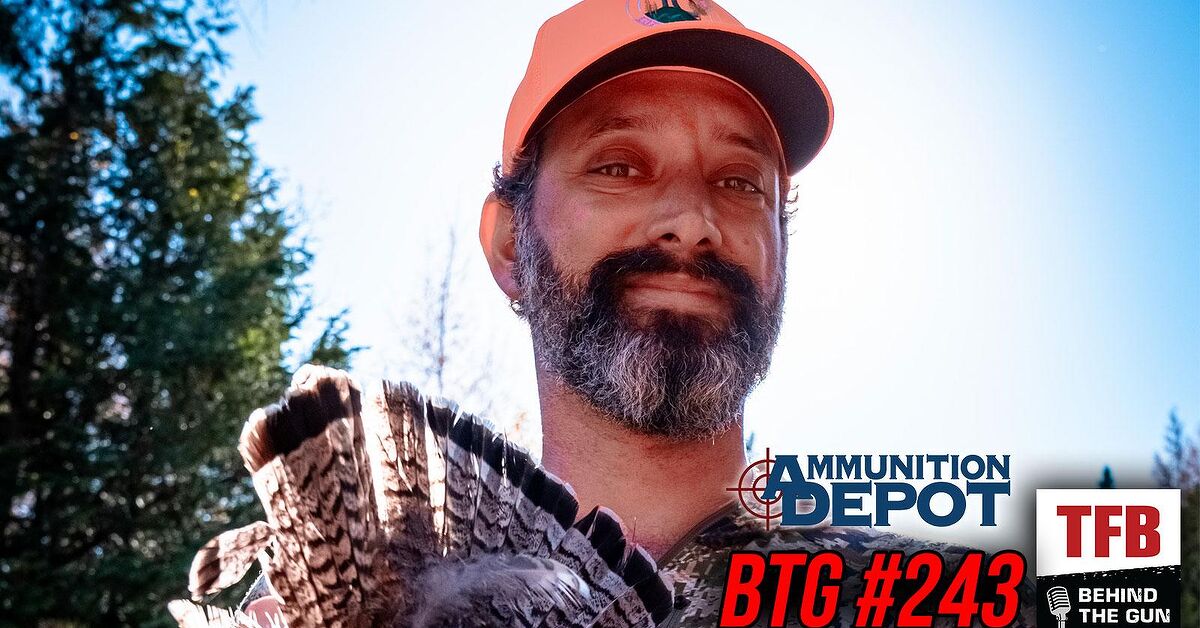
Dan Wolgin, CEO of Ammunition Depot, told TFB's Behind the Gun podcast that the ATF's October 9 decision to stop enforcing NFA registration and approval for suppressors, short-barreled rifles, short-barreled shotguns, and AOWs can be undone. Episode #243, published November 12, 2026, focuses on that risk. Wolgin argues the change rests on a Department of Justice enforcement policy, not a repeal. Congress, the courts, or a future administration could bring the old requirements back. The industry is celebrating. Wolgin is focused on what happens when the celebration ends. He also tied that uncertainty to demand for AmmoVault, his company's ammunition reserve service, and walked through a 50-state NFA reference map. Wolgin is not an attorney, and the episode is not legal advice.
Key Details
The episode lays out a timeline and a set of pressure points that matter to anyone who owns or plans to buy regulated items:
- October 9: The ATF stopped enforcing registration and approval requirements for suppressors, short-barreled rifles, short-barreled shotguns, and AOWs nationwide.
- January: A $0 tax change preceded the October enforcement shift.
- August: The episode points to a ruling in Silencer Shop Foundation v. ATF as part of the same run of events.
- Grandfathering: The ATF has said unregistered items would not be automatically grandfathered if enforcement resumes.
- Midterms: Wolgin argues the November midterm elections matter for the policy's future.
- AmmoVault: The buy-now, ship-later ammo reserve launched in August. Wolgin says customers who want a reserve now are driving its growth, rather than waiting for the next buying rush.
- State laws: Ammunition Depot's NFA State Law Map shows where state statutes tied to federal registration still confuse buyers.
Wolgin returned to the podcast only weeks after his previous appearance. The discussion centers on the gap between what the ATF stopped doing and what the law still says.
Background
The National Firearms Act of 1934 put suppressors, short-barreled rifles, short-barreled shotguns, and AOWs under federal control. Owners and buyers have long needed ATF approval, usually through Form 4 for transfers and Form 1 for making a regulated item. Approval waits stretched for months, and each transfer carried a federal tax that stood at $200 for most of the NFA's modern history. That combination made the process slow and expensive, and it pushed many buyers to wait.
January's $0 tax change removed the stamp cost, but it did not remove the federal paperwork. The October 9 enforcement change went further by halting the registration and approval checks themselves. The ATF did that through an enforcement decision, which is why the change can be reversed without a vote in Congress. The August ruling in Silencer Shop Foundation v. ATF sits in the same sequence, and the podcast treats the shifts as a set. Each piece moved the federal system in the same direction, but none of them permanently rewrote the statute.
Why It Matters for Gun Owners
If you own a suppressor, SBR, SBS, or AOW, your first task is documentation. Keep every approved Form 4, every tax stamp receipt, and every transfer record. The ATF has said unregistered items would not be automatically grandfathered if enforcement returns. Your paper trail is your protection if the rules change again.
If you plan to buy, do not assume federal paperwork is gone everywhere. The state map Wolgin discussed exists for a reason. Some states tie their own rules to federal registration, so a federal pause does not automatically clear a state-level requirement. Check your state before you order.
Anyone thinking about stocking up should weigh the cost of a reserve against the risk of a reversal. Buying ammunition ahead of a policy shift is a hedge, and hedges only pay if you can afford them. Watch the midterms, watch Congress, and watch for any court filing that touches the NFA. Those are the signals that would change the situation fastest.
DownRange Analysis
Under Bruen, a regulation has to fit the nation's historical tradition of firearm regulation. That test applies to statutes and rules the courts can strike down. An enforcement policy is a different animal. It can be dropped by a memo, and it can return the same way. A policy that a future Attorney General can reverse does not give owners the durable protection a statute or a final judgment would. Gun owners should treat the October change as a window, not a settlement.
The market is reading that window correctly. Certainty sells, and AmmoVault's growth shows buyers will pay to remove the next panic from their calendar. That is a rational purchase, but it is still a bet on the policy holding. Know what you are paying for before you pay for it.
What should you do right now? Pull your NFA paperwork and store it in two places. Verify your state's rules against the federal change, not the headlines. Do not buy on hype, and do not buy on fear. Keep your receipts, keep your records, and keep watching the November elections.