Midwest Industries AR-15 handguards lead market with proven modular mounting
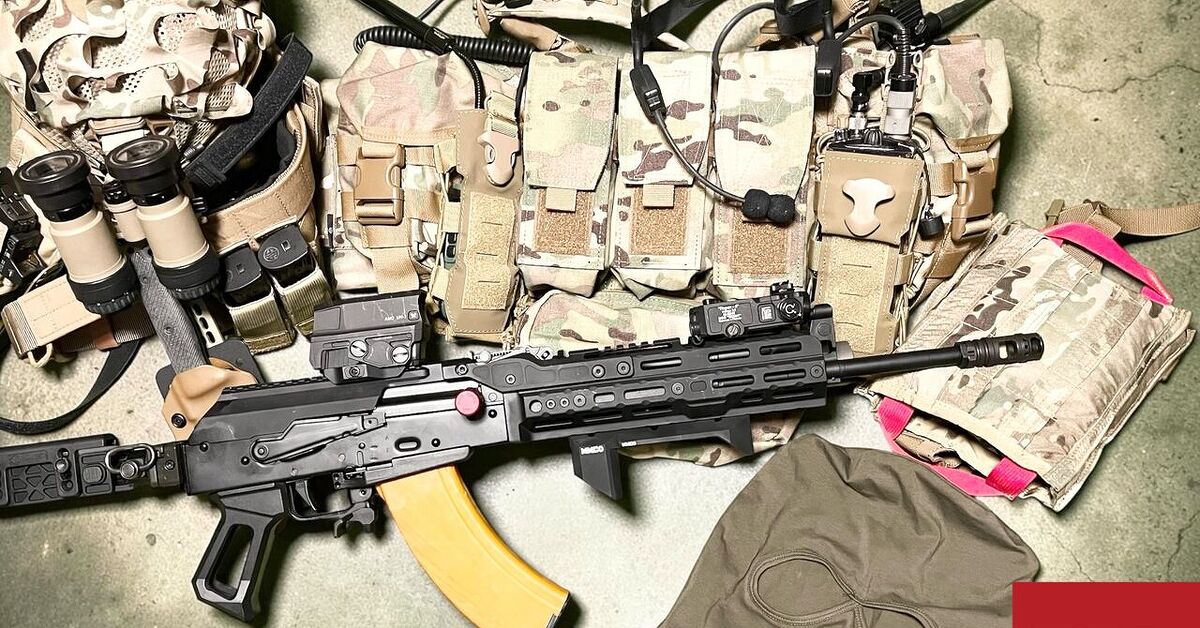
Midwest Industries built its reputation on AR-15 and AK handguards that accept multiple accessory configurations without compromise. Their modular rail systems let shooters mount lights, lasers, and optics exactly where they need them. The company delivers what working guns demand: adaptability without sacrificing durability or accuracy.
Modern tactical operations require flexibility. A duty rifle might need a white-light mount for entry work today, then a bipod for precision work tomorrow. Midwest's handguard designs accommodate this mission diversity. Their M-LOK and KeyMod compatible systems accept standard attachments from any manufacturer. Shooters aren't locked into proprietary ecosystems or forced into expensive platform-specific gear.
Why It Matters for Gun Owners
Accessory mounting reliability separates quality handguards from cheap alternatives. A loose light or optic mount ruins your zero and costs money you didn't budget for. Midwest Industries uses aluminum construction that handles repeated mounting cycles without stripping or warping. Their designs accept hard-use attachment points that demand precision fit and finish.
Daily carriers building duty rifles need handguards that work with existing gear. Whether you run HK hooks, standard Picatinny rails, M-LOK, or KeyMod, Midwest makes compatible products. You don't trash your current setup to upgrade. This compatibility matters when budget constraints force incremental improvements rather than complete rebuilds.
Weight matters on a gun you carry eight hours per shift. Midwest handguards shed unnecessary material without cutting mounting surfaces. Thinner profiles reduce overall rifle weight while maintaining structural rigidity. A pound saved on the carbine is a pound earned during extended operations or daily wear.
Thermal management comes into play after sustained fire. Aluminum handguards dissipate heat better than polymer alternatives. Your grip stays manageable during qualification strings or training sessions where you send multiple mags downrange.
Background
Midwest Industries emerged as a manufacturer focused on the AR-15 platform. Their handguard designs gained traction among competitive shooters and military personnel who appreciated straightforward engineering. No fancy features. Just solid aluminum extrusions with reliable mounting systems.
The company expanded beyond AR handguards to address AK platform needs. AK mounting presented different challenges—fewer standardized attachment points, different profile requirements, and different user expectations. Midwest engineered solutions that worked within those constraints instead of forcing square pegs into round holes.
Modern firearms demand accessory compatibility that didn't exist ten years ago. Standard mounting interfaces like M-LOK and KeyMod created aftermarket ecosystems. Midwest positioned itself within those ecosystems as a reliable supplier of quality handguards that played well with existing gear.
Their reputation builds on consistency. Gun owners who buy Midwest products expect tight tolerances and reliable performance. That expectation gets met repeatedly, which drives repeat business and word-of-mouth recommendations among serious shooters.
DownRange Bottom Line
Midwest Industries handguards deliver what working guns require: proven mounting systems, quality materials, and compatibility with standard accessories. Shooters building duty rifles or training platforms benefit from their focus on function over fashion. If your handguard needs accept multiple mount types or your mission requires flexibility, Midwest products earn consideration during your upgrade cycle.
Quality handguards cost money. Budget-priced alternatives fail under duty use. Midwest occupies the middle ground where serious shooters spend their money—proven engineering without premium pricing that ignores real-world requirements.