Carmichel Names His Wildcat Winners—And Why They Matter
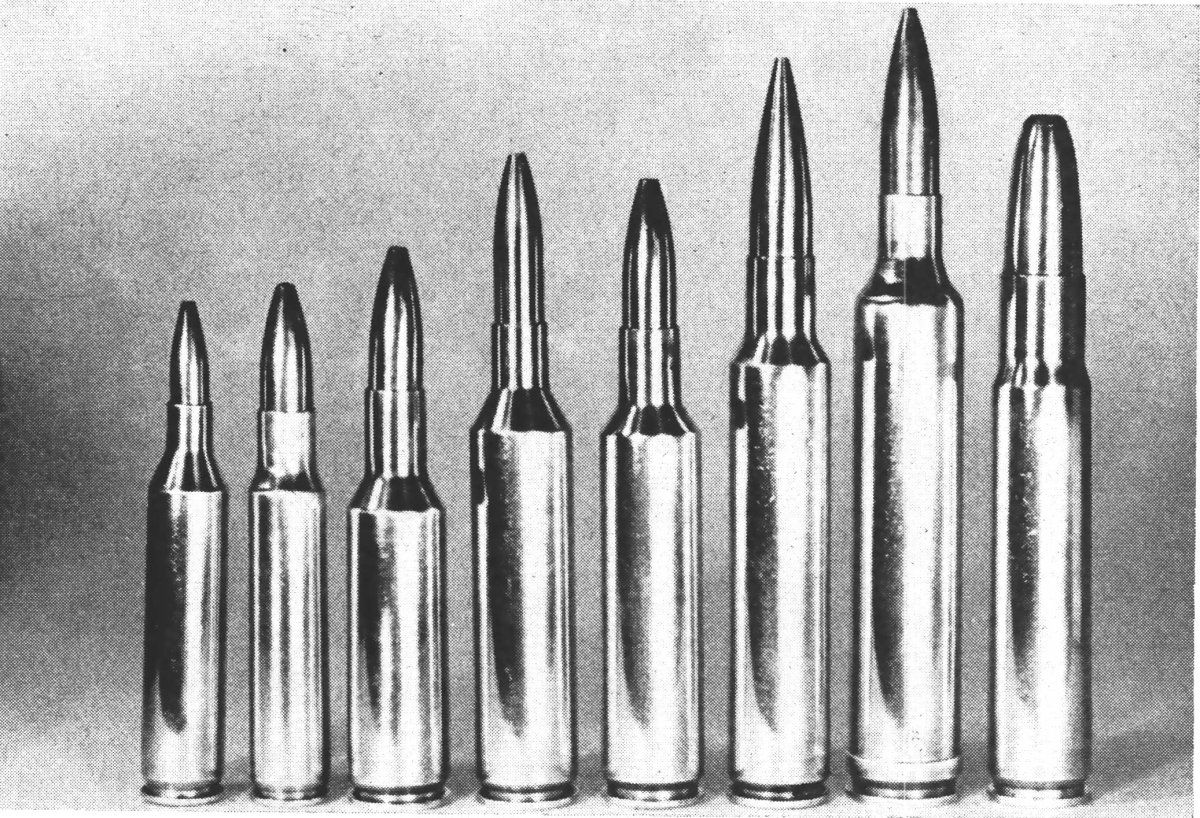
Jim Carmichel, a firearms authority with decades of published work, has cataloged his personal collection of favorite wildcat cartridges and the engineering logic behind each one. Wildcats are custom-built rounds—non-standardized, handloader-only ammunition that pushes beyond factory specifications. Carmichel's selections reveal which wildcats deliver real ballistic advantages and which remain curiosities for dedicated reloaders willing to spend time at the bench.
Key Details
Carmichel's approach focuses on wildcats that solve specific ballistic problems: velocity gains, improved accuracy, or performance in non-standard platform constraints. His selections span rifle cartridges and include both established wildcat designs and lesser-known experiments. The piece explains the engineering tradeoffs—case capacity, pressure curves, throat design—that distinguish a viable wildcat from a dead-end curiosity. Carmichel does not recommend every oddball cartridge; his selections are filtered through decades of field testing and ballistic measurement.
Why It Matters for Gun Owners
Wildcat cartridges sit at the intersection of legal gray zones and performance optimization. A handloader can legally develop and shoot a wildcat for personal use; buying or selling wildcat ammunition or loaded rounds triggers federal ammunition regulations and state restrictions. Carmichel's credibility matters here—his endorsement signals which wildcats offer real performance over novelty value. Shooters planning to invest in wildcat tooling, dies, and case forming need reliable guidance on which designs will survive 500+ rounds without pressure spikes or premature brass failure. Carmichel's filtering saves handloaders time and money by separating proven concepts from engineering dead-ends.
DownRange Analysis
Wildcat cartridges represent the purest expression of shooter autonomy—the ability to build ammunition tailored to your rifle, your barrel, your ballistic goals. No manufacturer constraint. No regulatory ceiling. Carmichel's work matters because it anchors wildcat development to physics and testing, not hype. For competitors and long-range shooters, a well-engineered wildcat can deliver 200+ fps velocity gains over factory equivalents or tighter pressure curves for accuracy. The barrier is skill: wildcat development requires precision equipment, reloading discipline, and chronograph data. Carmichel's selective endorsements separate serious candidates from internet folklore—exactly what a responsible handloader needs before burning brass and primer stock.