Video game studios deliberately misrepresent firearm physics to avoid legal liability
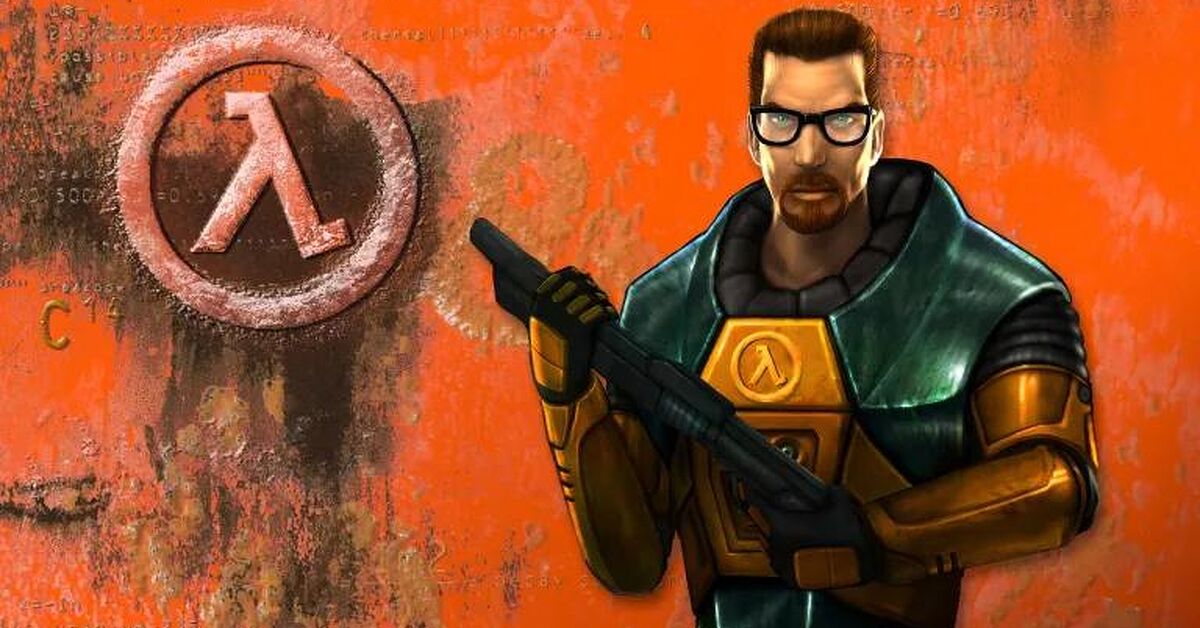
Half-Life's weapons function nothing like real guns, and that's not accidental. Game developers prioritize legal protection and gameplay balance over firearm accuracy, forcing a choice between authentic mechanics and publishable products. Gun owners should understand what's driving these choices—because the gap between game guns and real ones isn't closing anytime soon.
The Half-Life series showcases this tension perfectly. Some weapons display realistic ergonomics and handling characteristics. Others operate under cartoon physics that no actual firearm exhibits. Magazines hold impossible ammunition counts. Reload times bear zero relationship to real procedures. Recoil patterns spike without logic. These aren't oversights from lazy designers—they're deliberate concessions extracted by corporate legal teams and gameplay balance requirements.
Why It Matters for Gun Owners
Millions of people form their first mental models of firearms through video games. They learn gun behavior before ever handling a real weapon. When Half-Life depicts a rifle with horizontal recoil climb that defies physics, or a handgun that never requires reloading, casual players internalize false fundamentals about how firearms actually work.
This creates a downstream problem: gaming culture now influences public policy conversations. Politicians reference game mechanics when proposing firearm restrictions. Anti-gun advocates cite exaggerated game lethality to justify legislation. Meanwhile, the general public—shaped by thousands of hours in games—accepts these misrepresentations as fact.
A gun owner who carries daily recognizes immediately how wrong game guns behave. Magazine capacities don't work that way. Suppressors don't silence shots to whisper-quiet. Center-mass hits don't produce the effect games show. Reloading takes longer than the instant swaps depicted on screen. The ammunition capacity of a 9mm handgun isn't infinite. These details matter because they shape public understanding of defensive firearms.
Game developers face three incompatible demands: authenticity, fun, and legal safety. Publishers won't sacrifice profit for accuracy. Legal teams won't approve realistic ballistic effects because liability concerns override design principles. Gameplay balance demands that weapons feel fun rather than realistic—a gun behaving like an actual firearm often breaks a game's difficulty curve.
The Legal Pressure Behind Bad Gun Mechanics
Publishers actively avoid depicting real ammunition performance, terminal ballistics, or accurate recoil management. Why? Legal risk. Showing a gun functioning exactly as it does in reality creates documentation of weapons effects that corporate legal teams view as liability. It's easier to distort mechanics than defend authentic representations in court.
The Half-Life franchise demonstrates that even well-funded AAA studios won't sacrifice legal protection for accuracy. Valve had resources to research actual firearms behavior. They chose not to, because legal clearance mattered more than gun owner credibility.
DownRange Bottom Line
Game guns will remain inaccurate. Publishers face no financial incentive to change this. Players demanding realism lose to legal teams demanding protection. Gun owners should recognize what's happening: deliberate misrepresentation driven by corporate risk aversion, not technical limitation.
The takeaway for daily carriers: if you see your gun in a video game behaving impossibly, understand that millions of non-shooters are watching the same screen and forming permanent misconceptions about how your tools actually function. Those false impressions eventually reach policymakers. The game industry's choice to prioritize legal cover over accuracy has real consequences for how the public understands firearms.