Self-Defense Gun Use: What the Data Actually Shows
Gun Digest published a statistical breakdown of how often Americans actually deploy firearms for self-defense in July 2026, examining lifetime probability rather than annual incident rates. The analysis separates defensive gun use frequency from raw defensive gun use estimates, giving carry permit holders concrete numbers for a question most gun owners ask: Will I ever need this?
Key Details
Gun Digest's data review focuses on lifetime likelihood rather than snapshot statistics. The study separates defensive gun use claims by source—CDC estimates, defensive gun use surveys, law enforcement reports—to show how methodology changes the answer dramatically. Multiple studies show lifetime probability ranges from under 1 percent to over 40 percent depending on data source and demographics tracked. Age, location, profession, and lifestyle significantly affect individual risk. The analysis distinguishes between firing a weapon, displaying it, and reporting the incident to police—categories that shift numbers substantially.
Why It Matters for Gun Owners
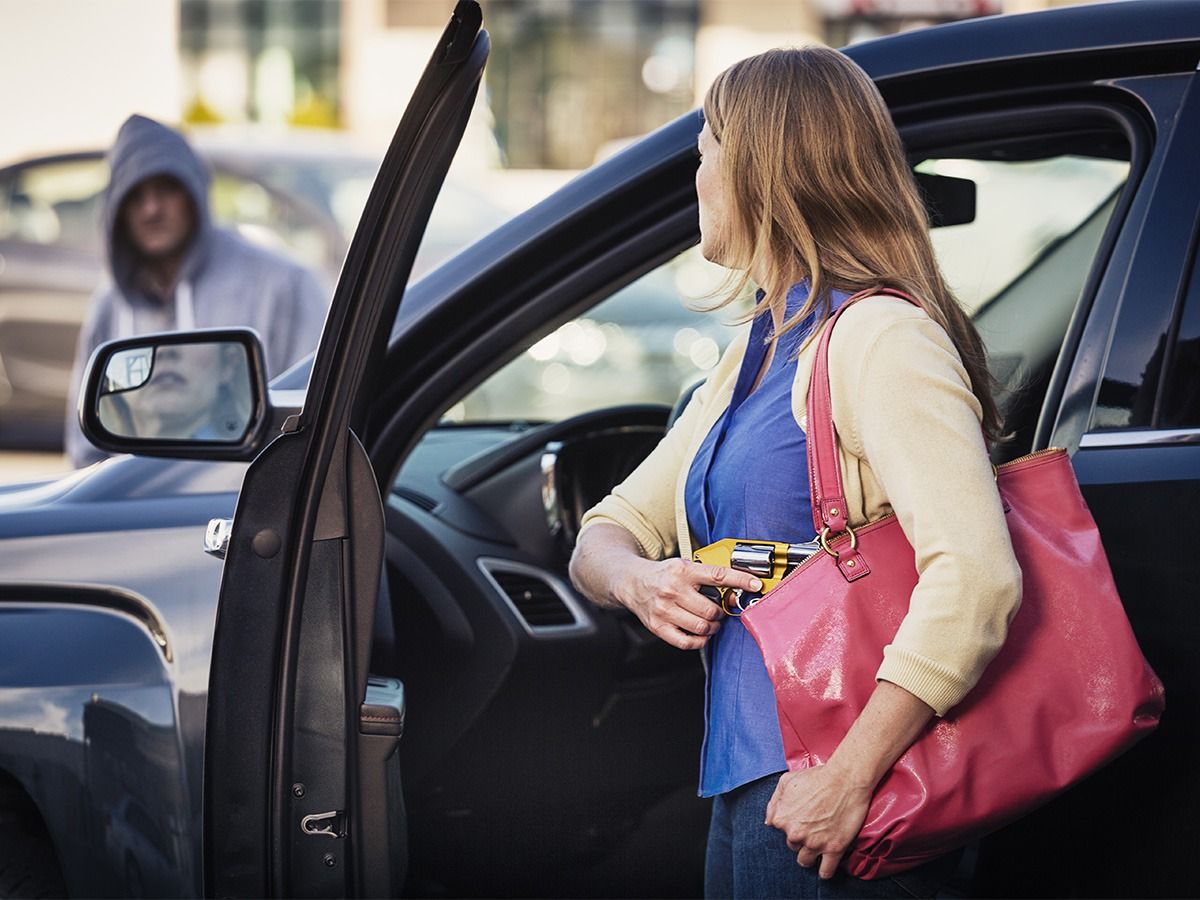
Carry permit holders need realistic self-defense expectations. Most armed citizens will never fire their gun in defense. That's fact, not discouragement. Understanding actual probability shapes training priorities: If your lifetime odds in a suburban area are 2-3 percent, your time at the range matters more than hoping for a scenario that probably won't happen. Rural and urban residents face different threat profiles. Night-shift workers, retail employees, and business owners see different statistics than desk workers. The data matters for insurance, training selection, and carry method decisions. Gun owners should know whether their self-defense priority matches their actual lifestyle risk—not CNN's version of danger or fantasy worst-case scenarios.
DownRange Analysis
This research cuts through both anti-gun minimization and pro-gun maximization. Gun owners benefit from hard numbers, not talking points. A 40 percent lifetime claim sounds different from 3 percent verified police reports—and that gap is the whole debate. The real value isn't the final number; it's recognizing that your defensive gun use probability depends on your choices, location, and profession. A Chicago CTA worker faces different odds than a Colorado rancher. That's not an argument against carrying—it's an argument for carrying intentionally, not religiously. Train appropriately for your actual risk. Carry because you've calculated your specific probability and decided it justifies the responsibility, not because worst-case-thinking drives all security decisions.