Luger P08 Outsells 1911 in Global Recognition
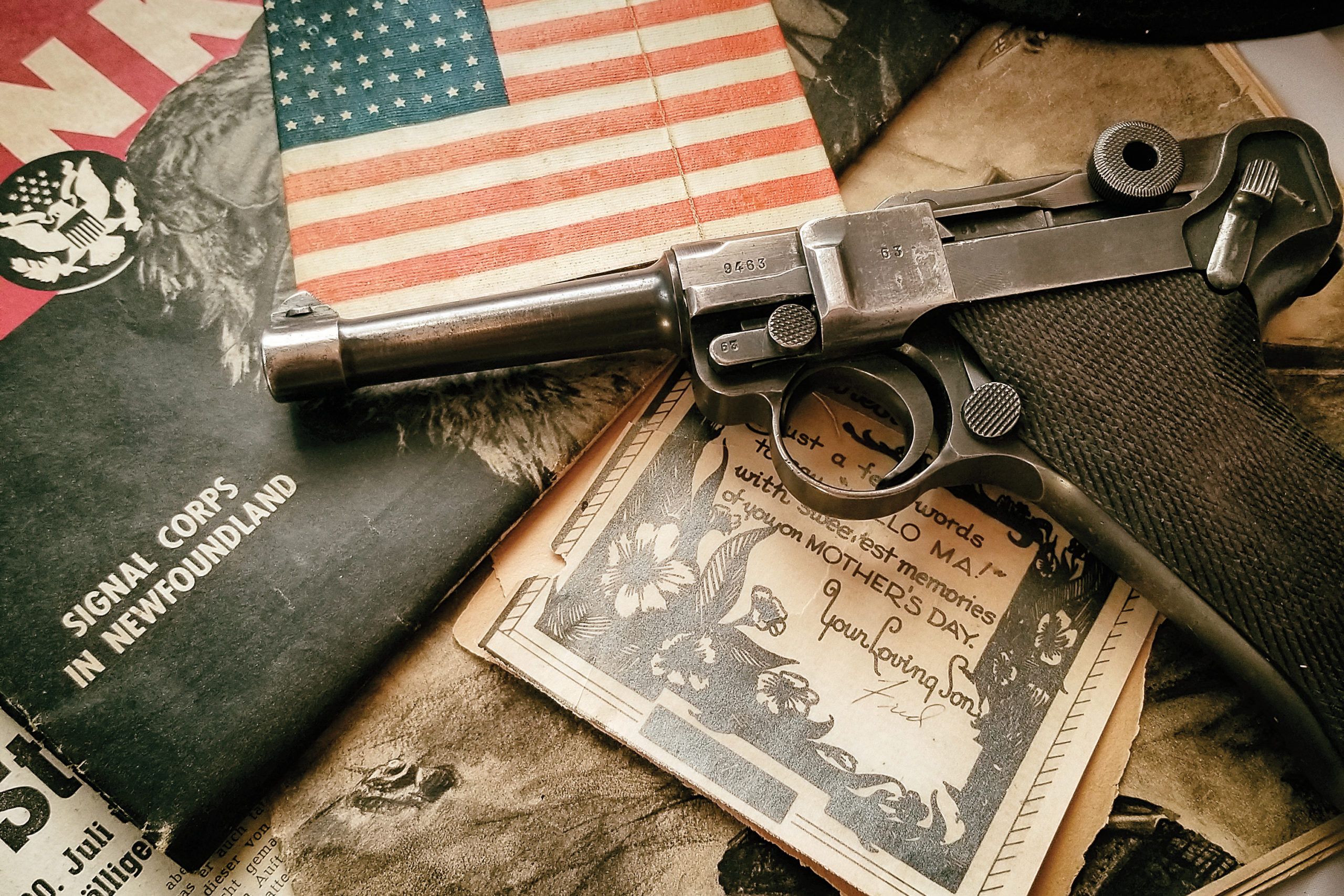
The Luger P08 stands as history's most famous handgun—more recognized worldwide than John Browning's 1911. Its toggle-lock action, ergonomic grip, and distinctive profile made it instantly identifiable across continents. Collectors and shooters still hunt original examples despite production ending in 1945.
Georg Luger designed the P08 as an improvement on the 1900 Luger, refining what became one of firearms engineering's most elegant solutions. The pistol fired 9mm Parabellum, a cartridge that defined a century of military and civilian shooting. Its accuracy at range set standards other pistols struggled to match.
Manufactured continuously from 1908 through the Nazi era, the P08 saw service on both sides of two world wars. German military, Swiss police, and Finnish forces all trusted the design. Post-war, American soldiers brought captured examples home, spreading the P08's legend across the Atlantic.
Why It Matters for Gun Owners
Understanding the P08's dominance teaches modern shooters about ergonomics and reliability. The gun's grip angle influenced handgun design for decades—many contemporary pistols borrowed its forward-canting profile. The toggle-lock action proved that unconventional mechanisms could outperform simpler designs when engineered correctly.
For collectors, P08 values have climbed steadily. Original German military examples command $2,000 to $5,000 depending on condition and markings. Swiss variants exceed $4,000 regularly. Rare Nazi police versions top $8,000. These aren't investment purchases—they're historical artifacts with genuine shooting provenance.
Today's shooters benefit from the P08's legacy in ammunition selection. The 9mm Parabellum cartridge became NATO standard because the Luger proved its capability and consistency. Every 9mm round fired in a modern carry gun traces lineage directly to Luger's original design specifications.
The P08 also reminds gun owners that simplicity serves purpose. Its four main parts—toggle, barrel, breech block, and springs—perform their functions without complexity. No external safeties cluttered the design. Its controls were logical, intuitive, and fast.
Background
Georg Luger's prototype emerged from Deutsche Waffen und Munitionsfabriken (DWM) in Berlin around 1900. The original model saw limited military adoption. The P08 refined the design significantly, introducing a longer barrel and modified toggle mechanism that improved reliability under harsh conditions.
The German military adopted the P08 officially in 1908. Production ramped quickly. Between 1908 and 1945, manufacturers built over 1 million P08s. Mauser, Erfurt, and DWM facilities competed to meet demand. Each factory stamped distinct markings, creating countless variations for modern collectors.
Swiss military forces purchased P08s under license, marking them distinctly. These "Swiss Lugers" remain highly sought, commanding premium prices. Finnish military also acquired P08s, and their examples appear regularly in collector sales.
The P08's toggle-lock mechanism operated differently than contemporary designs. Unlike the 1911's tilting barrel, the P08's breech rose and fell vertically. This action cycled smoothly with minimal recoil. Accuracy naturally followed from the stable lockup.
Production ceased in 1945, but the P08's influence never stopped. Postwar manufacturers in Europe attempted toggle-lock pistols—all failed to match the original's engineering. Modern reproductions exist but lack authentic materials and construction standards.
DownRange Bottom Line
The Luger P08 earned its legendary status through superior engineering, global recognition, and combat reliability. Gun owners studying firearm history must understand how the P08 shaped pistol development. Collectors pursuing original examples should expect to pay premium prices reflecting genuine scarcity and demand.
For shooters, the P08 represents an era when manufacturers prioritized accuracy and ergonomics over feature lists. Its influence still guides modern carry gun design. Respect the design. Hunt the history. Understand why the P08 remains unmatched in worldwide recognition.