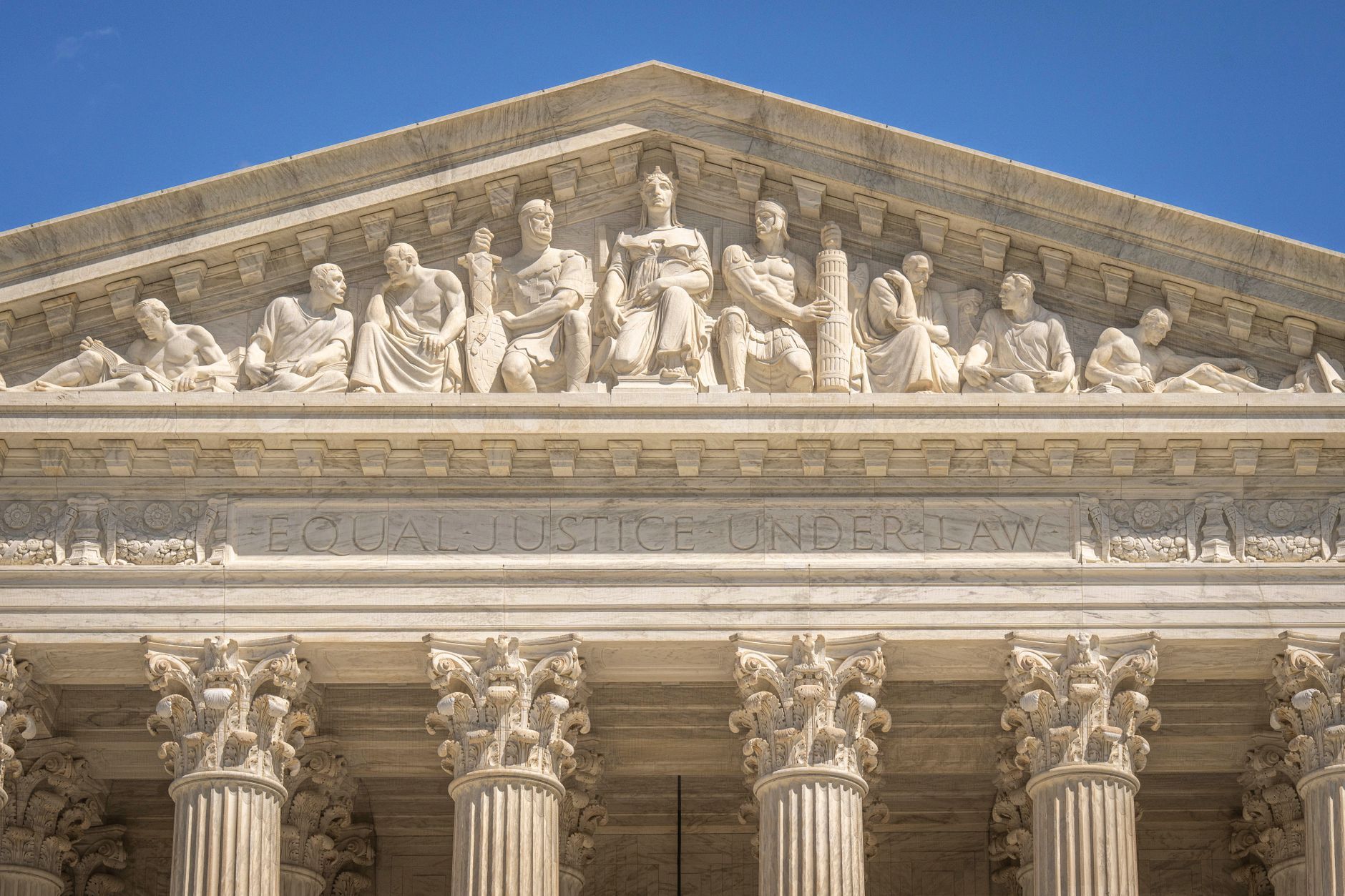
Supreme Court Rewrites Gun Rights Standard After Bruen Decision
The U.S. Supreme Court's June 2022 Bruen decision eliminated the two-part test courts used for 30 years. Justices ruled that gun regulations must align with historical tradition to survive legal challenge. This shift fundamentally changed how courts evaluate Second Amendment cases nationwide.
The new standard flipped the burden of proof. Previously, gun owners had to prove a law was unconstitutional. Now the government must justify any restriction using historical precedent. That's a massive win for Second Amendment advocates.
Lower courts immediately started applying the Bruen test to challenged laws. Results have been mixed but encouraging. Several state restrictions fell in federal courts. Others survived because judges found historical parallels supporting them.
Why It Matters for Gun Owners
This decision affects every gun law passed after 2022. Magazine bans, licensing requirements, and carry restrictions now face serious legal jeopardy. Courts must ask: Did similar restrictions exist in 1791 or 1868?
For daily carriers, Bruen opened doors to legal concealed carry. New York's "may issue" system fell apart. Multiple states ditched discretionary licensing. Red flag laws faced challenges in several circuits.
However, the test isn't a guaranteed win. Judges disagreed on what "historical tradition" means. Some accepted broad historical analogies. Others demanded exact matches to 18th-century regulations. That inconsistency created a patchwork of outcomes.
The D.C. Circuit, 9th Circuit, and other courts split on how strictly to apply historical analysis. One judge might accept a 1790s powder magazine law as justification for modern ammunition storage rules. Another wouldn't. This creates uncertainty for gun owners challenging state laws.
That uncertainty matters if you own unregistered guns, carry in sensitive places, or use non-standard ammunition. The law in your jurisdiction might change depending on which panel hears your case.
Background
Before Bruen, courts used the "intermediate scrutiny" framework from District of Columbia v. Heller (2008). Under that test, governments could restrict guns if they had an "important" reason and the law was "substantially related" to that goal. Gun owners could rarely win.
New York State Rifle & Pistol Association v. Bruen involved New York's discretionary licensing system. The state required applicants to prove "proper cause" for carrying. New York rejected most applications from ordinary citizens.
Six justices agreed the test was wrong. Justice Clarence Thomas wrote that the Constitution protects an individual right to carry guns for self-defense. Historical tradition—not government interest—determines whether a law is constitutional.
Justice Thomas identified a two-step process. First, does the regulation burden conduct protected by the Second Amendment? Second, is the regulation consistent with historical tradition? If it's not historically rooted, it fails.
That framework created immediate confusion. What counts as "historical tradition"? How close does a modern regulation need to match old ones? Courts are still arguing about it.
DownRange Bottom Line
Bruen changed the playing field but didn't end the fight. Gun owners have better legal tools to challenge restrictions. Federal courts will hear more Second Amendment cases. Some will win. Others won't.
The inconsistency between circuit courts means cases will reach the Supreme Court again. Expect more clarification on what "historical tradition" requires. Until then, gun owners in restrictive states face expensive litigation with uncertain outcomes.
For now, carry responsibly. Know your local laws. Document any laws you believe violate Bruen. And consider joining organizations fighting these cases. Your state might be next.