Click Without Bang Means You Need a Second Gun
The worst sound in a firefight is a trigger press that produces nothing. No bang. No recoil. No forward progress. That click signals either an empty magazine or a weapon malfunction. For armed citizens carrying daily, this scenario demands a trained response.
The New York Reload addresses this threat directly. You don't fix the problem. You switch guns.
What Is the New York Reload?
The New York Reload means carrying a second handgun and deploying it when your primary gun fails or runs dry. This isn't theoretical. Law enforcement agencies and serious shooters have relied on this tactic for decades.
The concept is straightforward. Your primary handgun malfunctions or empties. You draw your backup gun and continue fighting. No fumbling with magazines. No clearing a jam under stress. You're back in the fight in seconds.
Many armed citizens carry a backup gun already. Some pocket carry a small-frame .380 ACP or 9mm. Others use ankle holsters for compact pistols like the Ruger LCP or Smith & Wesson M&P Shield EZ. The positioning matters less than accessibility.
Why It Matters for Gun Owners
Daily carriers face real constraints. You can't carry spare magazines everywhere you go. Your clothing might not support a traditional mag pouch. Fumbling with reloads takes time you don't have.
A second gun eliminates these problems. Your off-hand draw takes roughly one second with proper training. A magazine reload takes longer, especially under adrenaline.
Consider the math. Your 15-round magazine runs empty after 15 shots. Reloading takes 3-5 seconds minimum. You're vulnerable during that window. A second loaded gun keeps you in the fight without delay.
Defensive encounters don't last long. FBI statistics show most armed defensive incidents end in seconds. Having a second weapon ready changes the equation.
The New York Reload also handles malfunction scenarios. Your primary gun double-feeds, misfeeds, or develops a stoppage. Instead of clearing the weapon—which requires focus and fine motor skills degraded by stress—you draw your backup gun. You regain the advantage immediately.
Background
The term "New York Reload" originated with New York Police Department officers in the early 1900s. Officers carried revolvers and often carried multiple guns. When one cylinder emptied, they simply drew another revolver rather than reload the first gun.
This tactic remained common through the transition to semi-automatic handguns. Modern law enforcement agencies trained officers extensively on this method. Many departments still require officers to carry backup guns.
For armed civilians, the New York Reload requires serious consideration. You need two quality guns. You need training with both weapons. Your backup gun must be reliable and immediately accessible.
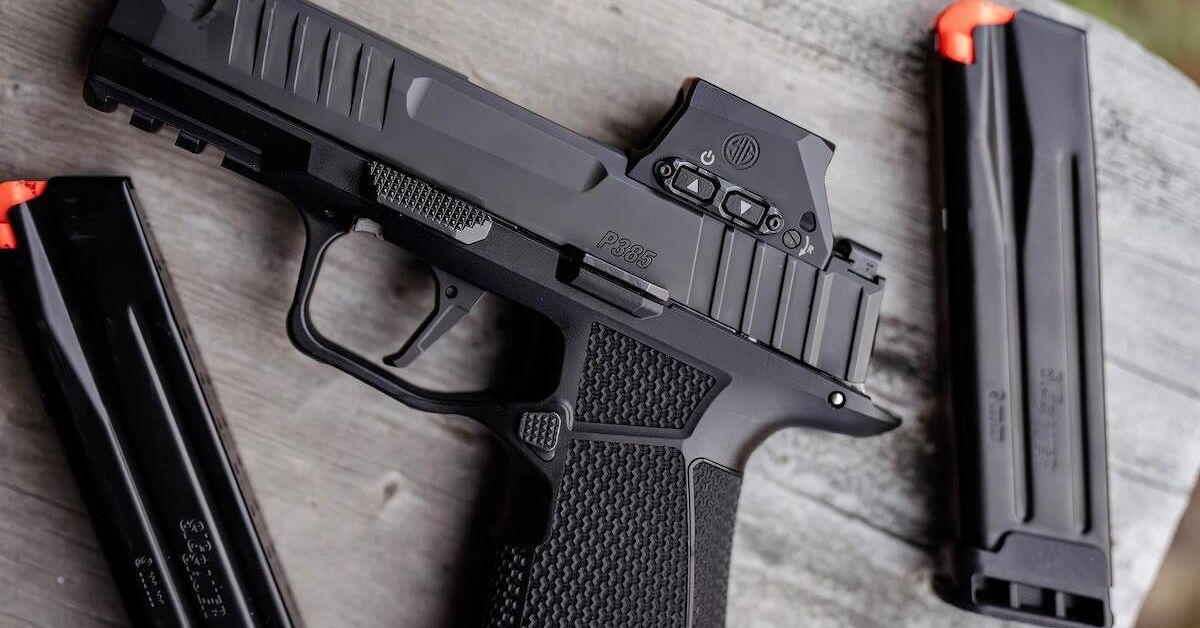
Popular backup gun choices include the Smith & Wesson M&P Shield, Glock 43X, Sig Sauer P365, and Ruger Security-9 Compact. Small-frame options like the Ruger LCP Max work for ankle or pocket carry.
Training matters most. You must practice drawing your backup gun under stress. Dry fire practice builds muscle memory. Range time validates your holster choice and accessibility.
DownRange Bottom Line
The New York Reload isn't trendy. It's practical. Carrying a second gun takes commitment. You need proper holsters, training, and discipline.
But if your primary gun fails, you stay armed. You stay in the fight. That matters when seconds determine survival. Consider a backup gun as essential equipment, not optional gear.