“Because It’s My Right” Loses the Argument With Gun Skeptics
At a Second Amendment event at Texas A&M University, gun-rights advocate Jerah Turner answered an anti-gun student who asked why anyone needs an AR-15. Turner said it was her Constitutional right. The student fired back, asking whether that was the hill Turner planned to die on. Turner replied that she wasn’t dying on any hill because she was the one with the gun. The exchange drew applause from people who already agreed with her. Kostos Moros of the Second Amendment Foundation called it a bad answer, and he has a point. An answer that ends the conversation does nothing for the person who asked the question.
Key Details
The facts of the exchange are short, and they matter for how gun owners should respond to similar questions.
- Venue: Texas A&M University, where the speaker had given a talk on Second Amendment rights.
- Question: An anti-gun student asked why anyone needs an AR. Turner’s first answer was that the best reason is that it is her constitutional right.
- Follow-up: The student asked if that was the hill Turner was willing to die on. Turner answered that she was not dying on any hill and was “the one with the gun.”
- Criticism: Moros argued that the answer makes skeptics want to repeal the Second Amendment or pack courts with judges who will narrow it. He said gun owners can win the policy debate and should not stop at “muh rights.”
- Enumerated rights: Moros noted that any enumerated right can be repealed, and courts have limited rights in scope. Natural rights language does not protect a right that a majority can strip away.
- Radio slogan: The author recalled Andrew Wilkow’s talk-show line about arguments that “cannot be broken.” He called it a good rallying slogan that persuades no one outside the choir.
- Historical parallel: In 1884, a Wyoming newspaper mocked cowboys who thought they needed to carry revolvers, calling the idea absurd.
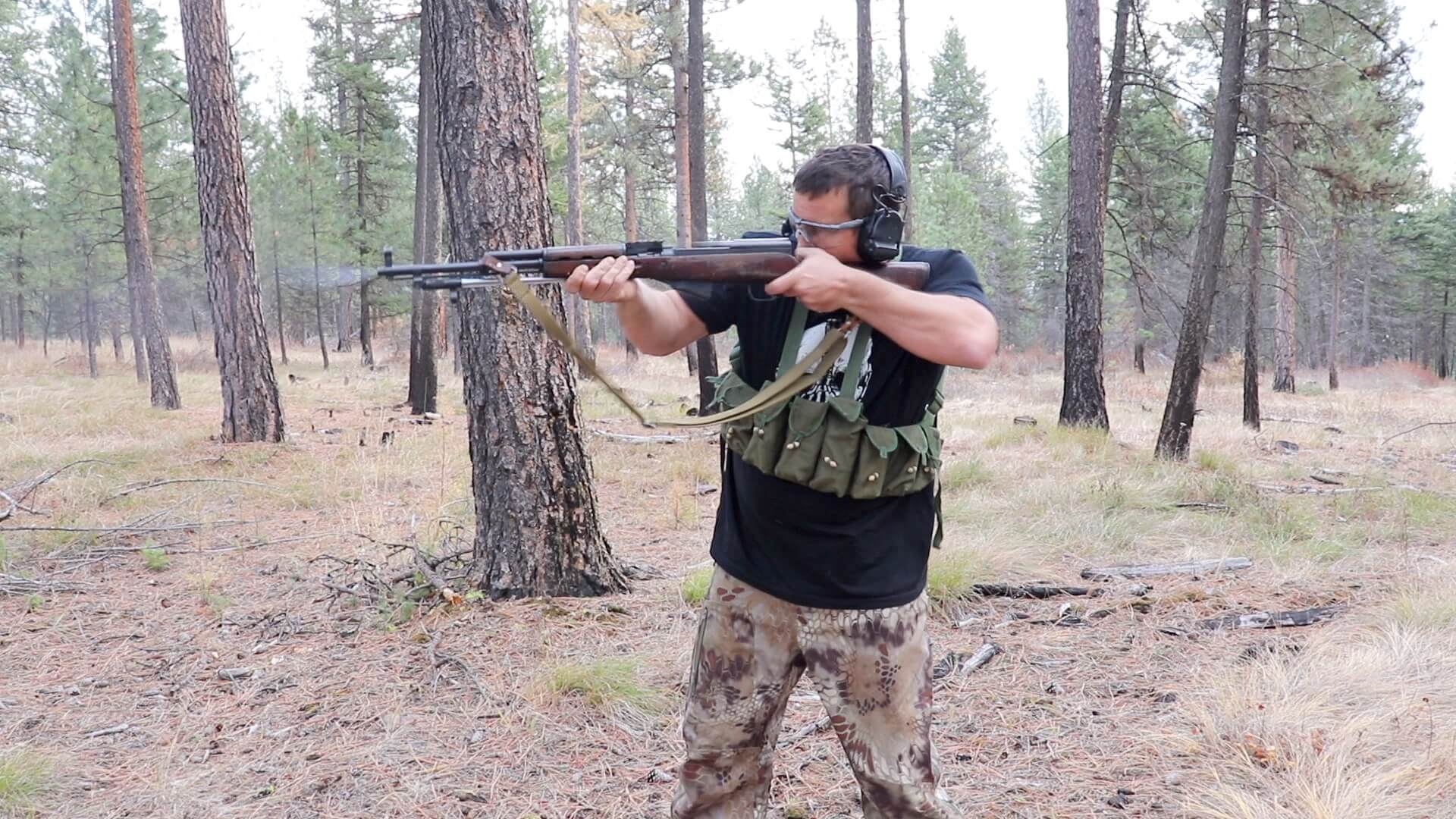
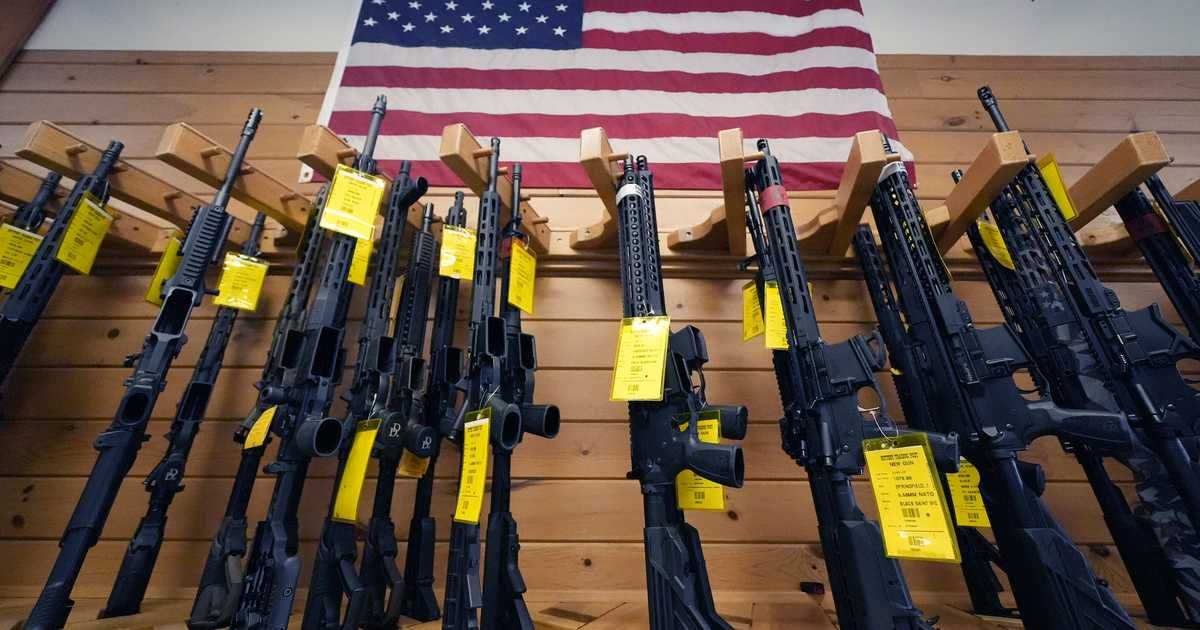
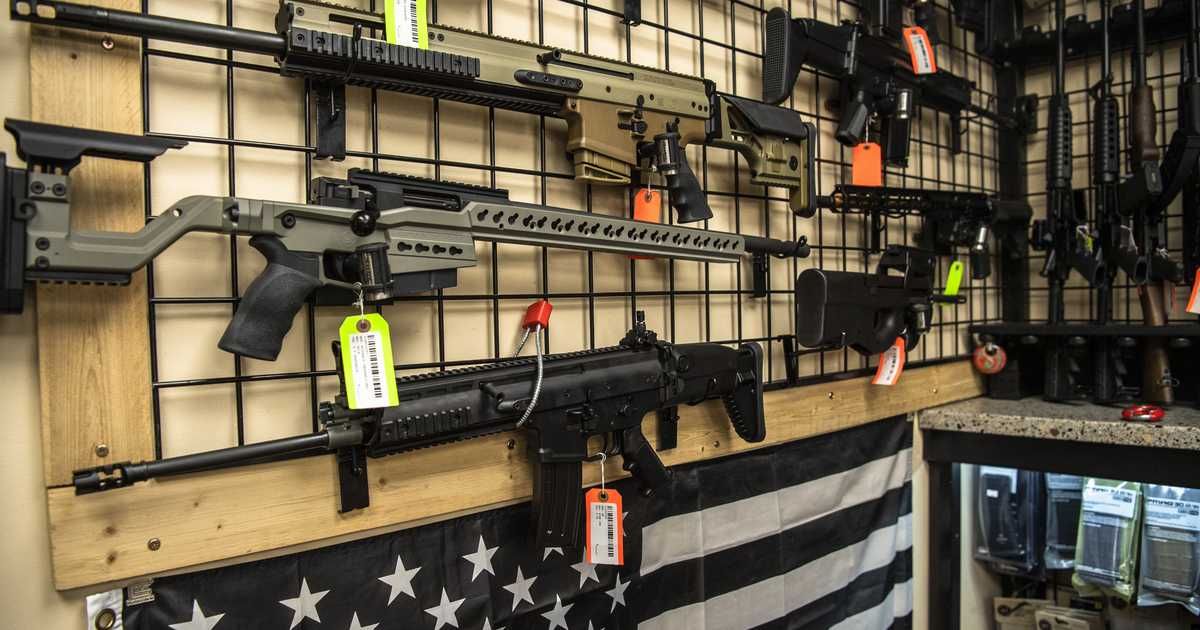
- AR-15 case: The author listed the rifle’s accuracy, reliability, ease of shooting, and adaptability to different body sizes and abilities. He cited target shooting, competition, hunting, and self-defense as uses.
Background
The Second Amendment argument has always moved in two tracks: what the text protects and what the public will tolerate. In District of Columbia v. Heller (2008), the Supreme Court held that the Second Amendment protects an individual right to keep and bear arms, including handguns in the home. The Court also said that the right is not unlimited and that “dangerous and unusual” weapons may fall outside it. McDonald v. City of Chicago (2010) applied that right to the states. In New York State Rifle & Pistol Association v. Bruen (2022), the Court set the test for modern gun laws. The government must show that a regulation fits the nation’s historical tradition of firearm regulation. The test changed the courtroom, but it did not change the classroom. Students still ask the policy question, and a constitutional citation does not answer it. The 1884 Wyoming editorial shows that the question is old. The technology changes, and the argument returns.
Why It Matters for Gun Owners
Gun owners who carry and who teach classes meet skeptics every week. Texas campuses make this practical. Licensed concealed carriers on Texas public university campuses face the same questions that Turner faced, often from students who have never touched a firearm. The answer you give shapes how that student, and every bystander, remembers gun owners. A line that ends the conversation hands the other side a clip. A line that opens the conversation gives you a chance to explain the rifle, the owners, and the law. Prepare three questions before you speak. Ask the skeptic what specifically worries them about AR-15s. Ask whether they believe a law-abiding person who has never committed a violent crime should lose the right to own a rifle. Ask what they think should happen to the rifles already owned by millions of Americans. Those questions force the other person to state a position. Then you can answer with facts about the rifle’s design, its common use, and the history of the right.
DownRange Analysis
Under Bruen, “Because it’s my right” is not an argument. It is a conclusion that asks a judge to accept the answer without evidence. A court applying the historical test wants to see analogues, not slogans. Gun owners who want to win that test need to know the history of arms regulation, and they need to say it out loud when someone challenges them. The policy fight matters just as much. Courts can narrow a right, and legislatures can repeal the laws that protect it. A skeptic who hears a sincere answer can become a voter who opposes a ban. A skeptic who hears a slogan becomes a voter who supports one. Start with the question, ask the skeptic what they actually fear, and bring the history. Then bring the rifle, because the rifle is the best argument in the room.