Larry Kelly's Ports Reduced Handgun Recoil Before Anyone Else
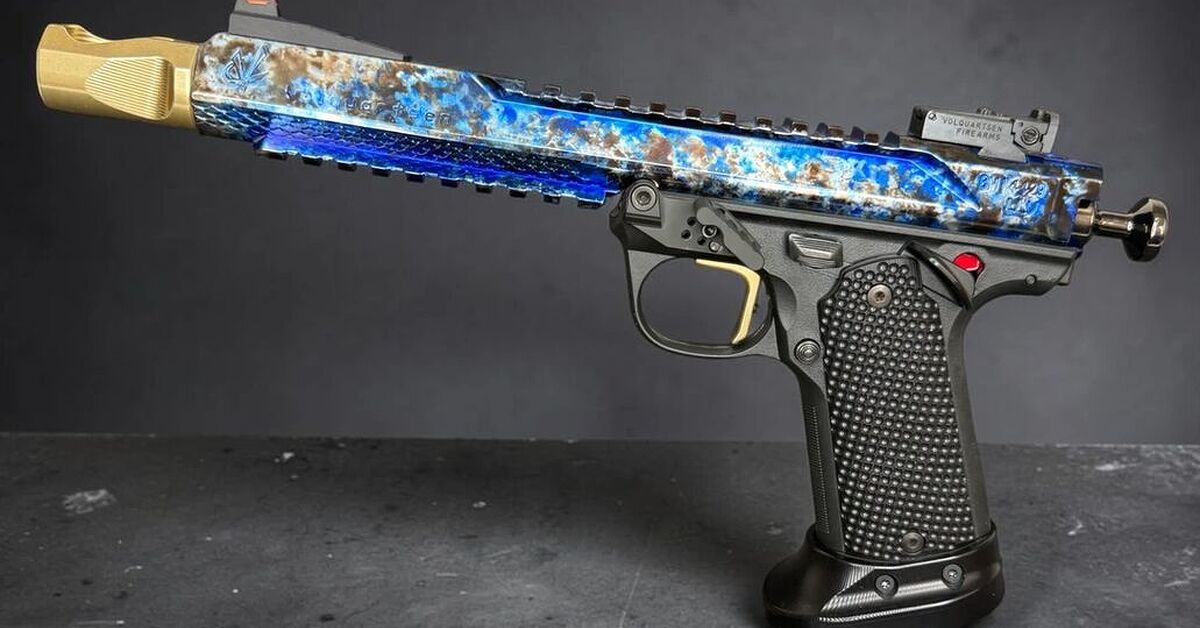
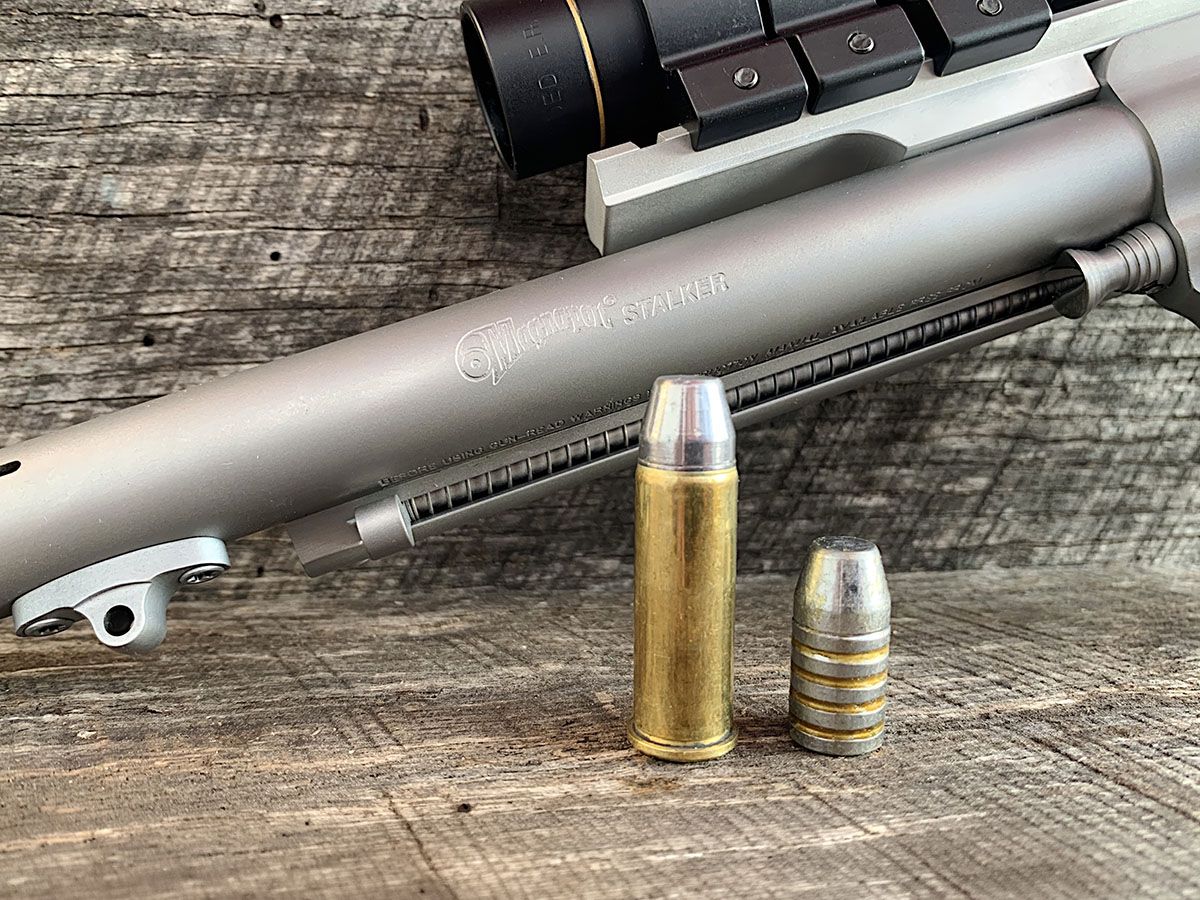
Larry Kelly invented ported barrels for handguns in the 1970s. His Mag-Na-Port method drilled precision holes in slide and barrel. These ports vented expanding gases upward and outward. Recoil dropped measurably. Muzzle flip decreased. The technique became industry standard for high-performance pistols.
Kelly patented his process and licensed it to major manufacturers. Smith & Wesson, Colt, and Ruger adopted ported barrels. Custom gunsmiths paid for his services. Competitive shooters demanded ported guns. Law enforcement agencies tested them for duty use.
The innovation arrived at a critical moment. 1980s handgun design emphasized stopping power over controllability. Shooters chose between recoil management and terminal ballistics. Mag-Na-Port ports offered both. A .44 Magnum with ports handled like a .357. A 10mm felt like a 9mm.
Why It Matters for Gun Owners
Ported barrels directly improve shot placement. Faster follow-up shots matter in defensive situations. Reduced muzzle rise lets shooters stay on target. This applies equally to competition and carry guns.
For daily carriers, ports reduce felt recoil by 15-25 percent depending on caliber and load. A 9mm becomes softer. A .45 ACP becomes manageable for smaller-framed shooters. Women, older shooters, and recoil-sensitive individuals shoot better with ported guns.
Competition shooters benefited immediately. Three-gun matches and IPSC events favored ported barrels. Faster splits between shots. Better accuracy under pressure. Ported guns won matches consistently.
One tradeoff: ports increase noise and muzzle flash. Sound increases 2-4 decibels. Indoor ranges became louder. Shooters with ported guns often shoot at separate bays. Night shooting shows dramatic muzzle flash. Suppressors mitigate these issues but add cost and length.
Cost remains a factor. Factory ported guns cost $50-150 more than standard models. Custom porting by licensed gunsmiths runs $200-400. Over the lifetime of a carry gun, this investment pays dividends in accuracy and control.
Background
Larry Kelly operated Mag-Na-Port International from his Michigan facility. He hand-ported thousands of pistols throughout the 1980s and 1990s. His work caught attention of manufacturers seeking competitive advantage.
Smith & Wesson's Performance Center produced ported Performance Center models. Colt offered ported versions of the 1911. Ruger ported GP100 and Super Redhawk revolvers. These factory offerings made porting mainstream.
The technology works because expanding powder gases escape through ports before the bullet leaves the barrel. This reduces the pressure differential between bore and atmosphere at bullet exit. Less pressure spike means less recoil impulse transferred to shooter's hands and wrists.
Competitors refined Kelly's concept. Different port designs emerged. Some manufacturers machined ports straight down. Others angled ports forward and upward. Each design claimed superior gas redirection. Results varied slightly, but all reduced recoil measurably.
Today, Mag-Na-Port International continues operations. Other shops perform porting. Factory options remain available. The technology is 50+ years old yet remains relevant.
DownRange Bottom Line
Larry Kelly's ported barrel concept changed how shooters think about recoil management. His innovation proved that engineers could improve controllability without sacrificing power. Modern defensive handguns still use his principles.
If you shoot lots of rounds or struggle with recoil, consider a ported gun. Test one before buying. Accept the increased noise. You'll shoot faster and more accurately. That matters on the range and beyond.