Traditional Rifles Match or Beat Modern Designs in Head-to-Head Accuracy Test
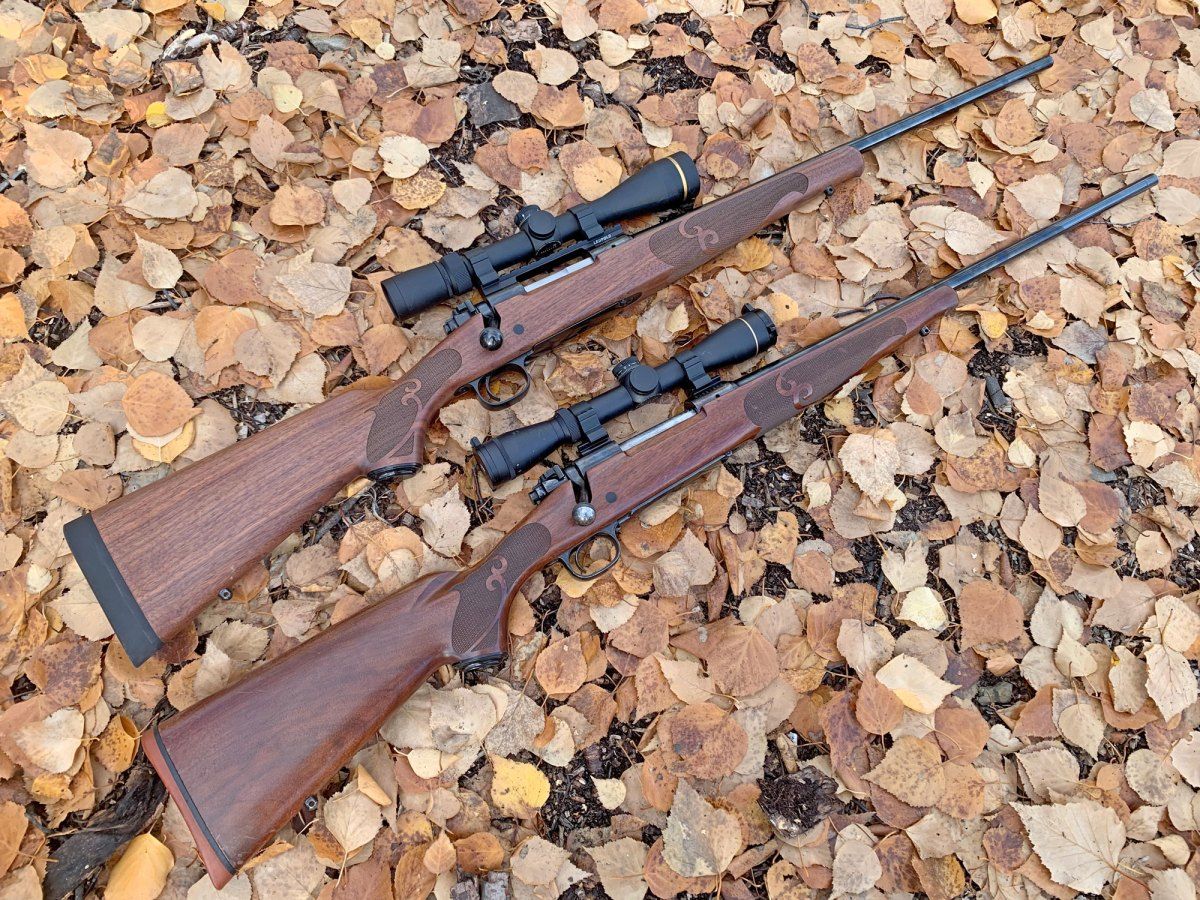
Outdoor Life's direct comparison between wood-stocked classics and contemporary hunting rifles reveals that age doesn't equal inferiority. Traditional .308 Winchester bolt-actions matched modern composite rifles at 200 yards. Performance gaps emerged only beyond 300 yards where integrated rail systems and ergonomic stocks provided measurable advantages. The data cuts through marketing noise: both platforms work. The question becomes which one fits your actual hunting conditions.
Test parameters included accuracy measurements, reliability under field conditions, and shooter ergonomics across synthetic and wood furniture combinations. Results separated genuine performance gains from marketing hype. A classic rifle required no batteries, no setup time, and minimal maintenance. Modern designs offered precision advantages in variable weather and extended shooting scenarios. Neither category dominated every metric.
Why It Matters for Gun Owners
Hunters dropping $1,200 on a new rifle need honest answers about whether modern features justify the cost premium. This test delivers exactly that. A wood-stocked .308 Winchester performs adequately in its intended role—practical hunting within normal engagement distances. Modern composite-stocked rifles with integrated picatinny rails excel at precision shooting beyond 300 yards in variable wind and light conditions.
The practical implication: your rifle choice should match your hunting terrain, not your budget ceiling. A whitetail hunter working open prairie benefits from modern ergonomics and mounting systems. A brush hunter in dense cover gains nothing meaningful from upgrading a proven lever-action or traditional bolt rifle. Cost-conscious shooters get validation that their older rifles remain lethal tools.
Owners considering upgrades now possess actual data instead of salesmen talking points. A classic rifle requires knowledge of mechanical function and basic maintenance. Modern rifles demand familiarity with modern accessories—lights, optics, mounting systems. Both demands are legitimate. Both systems work.
What the Test Actually Showed
Accuracy results showed traditional rifles achieving 1.5-inch groups at 100 yards with quality ammunition. Modern rifles produced 0.8-inch groups under identical conditions. The difference matters when hunting 400+ yards. It matters less when hunting 150 yards in forest.
Reliability testing included weather exposure, mud, dust, and temperature swings. Traditional wood-stocked rifles functioned flawlessly without cleaning for extended periods. Modern synthetic rifles performed identically. Rust risk and swelling issues that plagued wood furniture decades ago remain minimal with proper oil. Contemporary wood finishes resist moisture effectively.
Ergonomic testing revealed modern rifles reduced shooter fatigue over extended field sessions. Adjustable stocks fit diverse body types better than fixed wood furniture. Rail systems allowed faster optics mounting and accessory attachment. Recoil management improved with modern stock designs. These advantages matter in practical hunting applications—especially for shooters with different physical builds or joint issues.
DownRange Bottom Line
This test demolishes the false choice between tradition and performance. Modern rifles offer measurable advantages in specific conditions. Classic rifles remain effective tools that function without batteries, electronics, or complicated setup. The correct rifle isn't the newest or oldest—it's the one matching your terrain, distance, and shooting style.
Hunters should ignore brand loyalty arguments and marketing narratives. Instead, identify your actual hunting scenario. Then select equipment proven in that exact situation. A .30-30 lever gun hunts brush country as effectively today as 1950. A modern precision rifle opens opportunities at extended distances previously impractical for average hunters. Both remain valid choices. Neither automatically beats the other.
Your gun collection serves you best when each rifle fills a specific role. Sometimes that role demands modern features. Sometimes it demands simplicity proven across decades. Quality ammunition, proper sight-in, and shooter skill matter infinitely more than whether your stock contains wood or composite.