Black Codes Can't Justify Modern Gun Laws, Two Scholars Argue
Racist gun laws should not prop up modern restrictions, and two scholars want courts to say so out loud. NRA-ILA's Joseph Greenlee and University of Wyoming law professor George Mocsary argue in a new Yale Law Journal article that historical enactments do not earn constitutional standing just because lawmakers passed them. Their main target is the habit of states reaching back to Reconstruction-era statutes to defend today's limits. Their proposed fix is a new category, the “anti-analogue,” a counterexample that documents the abuse the Second Amendment was meant to prevent. The article arrives after the Supreme Court's Wolford decision, which rejected Hawaii's historical defense of its default ban on carry onto private property open to the public.
Key Details
The authors and their source material trace a long record of gun restrictions aimed at specific groups. The details matter because they show how the argument is built.
- 17th century Virginia: colonial rules barred enslaved people from possessing firearms.
- 1825 Florida law: allowed whites to enter Black homes and seize arms, weapons, and ammunition.
- Broader targets: restrictions also reached Native Americans and religious minorities, while most white Americans faced few limits.
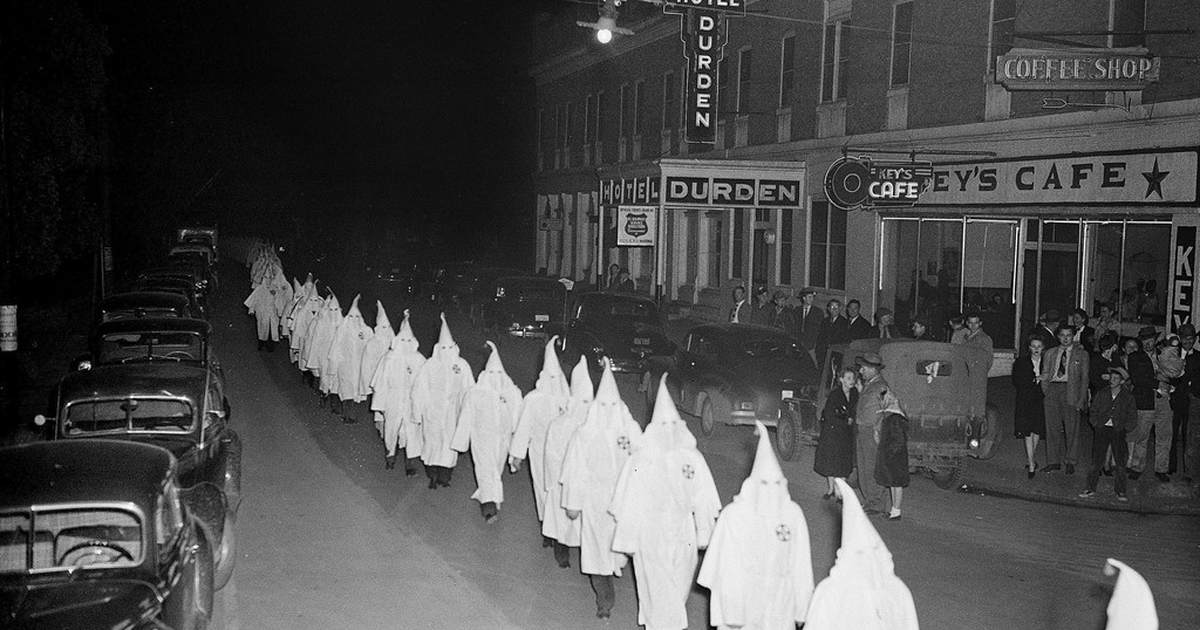
- 1865 Louisiana law: barred guns on plantation property. It never named Black residents, but it sat inside the Black Codes that restricted freedmen during Reconstruction.
- Wolford v. Lopez: Hawaii cited the Louisiana statute in defending its private-property default rule. The Court rejected Hawaii's historical case.
- “Spirit of Aloha”: Hawaii also argued that its kingdom-era traditions excluded any arms right. The Court held the Second Amendment carries the same meaning everywhere, citing Bruen (New York) and McDonald (Chicago).
- Greenlee and Mocsary: “a historical law does not become an authoritative measure of constitutional meaning simply because it was enacted.”
- Negative evidence: the authors say the Black Codes “nevertheless are constitutionally significant” because they show regulations the constitutional order rejected.
- Court review standard: judges should examine a law's design, enforcement, contemporaneous objections, and later repudiation before counting it as tradition.
- Justice Ketanji Brown Jackson: among critics who resist excluding offensive historical laws from constitutional analysis. The authors say those laws should stay in the record, but as evidence of abuse.
Background
The Supreme Court's 2022 decision in New York State Rifle & Pistol Association v. Bruen set the modern test. Under Bruen, the government must show that a modern gun restriction matches the nation's historical tradition of firearm regulation. In United States v. Rahimi in 2024, the Court clarified that historical analogues need not be exact twins, but the underlying principles still have to match. McDonald v. Chicago, decided in 2010, applied the Second Amendment to the states. Bruen also made clear that evidence from the Founding era and the 1868 ratification of the Fourteenth Amendment carries the most weight. Later practices count for less.
That gap created room for an argument that cuts both ways. Gun control advocates have long held that the absence of a historical ban does not prove a modern ban is unconstitutional. Greenlee and Mocsary apply the same logic in reverse. The existence of an old law does not prove it was constitutional, and it does not prove it reflects a legitimate tradition. Hawaii's defense of its default rule tested that idea directly, and the Court's answer gave the authors their opening.
Why It Matters for Gun Owners
Carry holders in states that copied Hawaii's private-property default rule face the most immediate effect. California, New York, New Jersey, and Maryland all have sensitive-place and property rules that courts have tested since Bruen. Any state that defends those rules with Reconstruction-era or Jim Crow-era statutes now faces a sharper counterargument. Gun owners in those states should expect their attorneys to cite Wolford in every challenge that touches private-property defaults.
Watch the lower courts first. Judges will decide whether the anti-analogue framework gets used to discount old laws that states rely on for licensing, storage, or location limits. Pay attention to who files amicus briefs in those cases. A court that accepts the framework can strip out statutes that were never meant to define a right. A court that rejects it will keep old restrictions alive by default. Either outcome will shape how much history a state can drag into a modern dispute.
DownRange Analysis
This argument fits Bruen's own logic better than the states' historical citations do. Bruen told courts to weigh the 1791 and 1868 understandings most heavily. A statute passed to strip freedmen of arms in 1865 does not reflect the public meaning the Fourteenth Amendment adopted. Greenlee and Mocsary are right that a law's existence cannot validate itself. The Court's rejection of Hawaii's “spirit of Aloha” argument already points that way.
The market impact stays small in the short run. Holsters, carry gear, and training demand do not change because of a Yale article. The legal impact could be large. Gun owners should carry only where the law allows, get written consent before carrying onto posted or default-banned private property, and document any encounter. Support litigation through NRA-ILA, the Firearms Policy Coalition, or the Second Amendment Foundation. Write to state legislators who want to keep default rules on the books. The past will not settle these fights on its own. Owners have to make the case.