Charles Whitman's 1966 Attack Ended Police Passivity in Active Shooter Situations
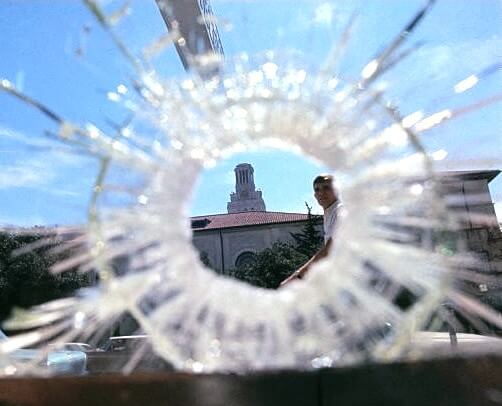
Charles Whitman climbed the University of Texas observation tower on August 1, 1966, and opened fire on students and civilians below. He killed 14 people and wounded 31 others before police officers reached him and returned fire. The attack lasted 96 minutes and fundamentally changed how law enforcement responds to armed threats.
Whitman fired from 307 feet above ground. Police initially lacked protocols for engaging a shooter in a fortified position. Officers improvised tactics that day—some used cover, others returned fire from distance. Their willingness to breach and engage directly ended the shooting. The event forced departments nationwide to abandon waiting-and-containment strategies.
Why It Matters for Gun Owners
This attack shaped every active shooter response you've seen since. Before Whitman, police doctrine emphasized securing perimeters and waiting for crisis negotiators or specialized teams. That approach failed repeatedly. Officers realized containment only extended casualty counts.
Modern armed citizens benefit from this shift indirectly. Police now train to move toward threats instead of establishing defensive positions outside danger zones. Schools, businesses, and public venues adopted active shooter drills based on lessons learned that August afternoon. Concealed carry holders understand the tactical reality: law enforcement cannot always arrive before violence occurs. Whitman's tower proved that point conclusively.
The incident also influenced gun owner awareness about mental health red flags. Whitman had documented paranoia, violent impulses, and brain tumors. He sought psychiatric help before the attack. Gun owners today face increased scrutiny regarding mental fitness—partly because Whitman's case demonstrated the intersection of untreated mental illness and firearm access. Understanding this connection matters for responsible carriers.
Background
Whitman was a former Marine with technical shooting skills. He used a 6mm Remington bolt-action rifle and a .35 Remington rifle during the attack. The 6mm Remington fired .243-inch projectiles—a caliber still favored for precision shooting today. His position advantages allowed sustained fire across the campus grounds.
Officers who responded included Austin police and campus security. None had tactical training for elevated shooters. They acted on instinct and courage. Officer Ramiro Martinez and civilian Allen Crum reached the observation deck and killed Whitman. Their direct action saved countless lives that would have been lost if police had maintained distance.
The attack occurred before SWAT teams existed. Police departments nationwide created specialized units within five years. The first formal SWAT team—Los Angeles Police Department's—launched in 1966, the same year as Whitman's shooting. The connection was direct: departments recognized that traditional patrol tactics couldn't contain active shooters.
Universities installed restricted access to tall buildings afterward. Many observation decks closed permanently. Security protocols shifted toward screening visitors and monitoring vantage points. Gun owners should note that architectural and security changes followed violent incidents—policy shifts happen faster than most people realize.
DownRange Bottom Line
Whitman's attack remains the clearest example of how a single violent event transforms institutional responses. Police abandoned passive tactics because they demonstrably failed. Armed citizens should extract two lessons: first, law enforcement cannot be everywhere simultaneously, and second, tactical awareness matters in any public space. Train accordingly. Stay alert. Carry responsibly.