Stop Blading Your Body: Competition Fixes for Your Classic Hunting Rifle
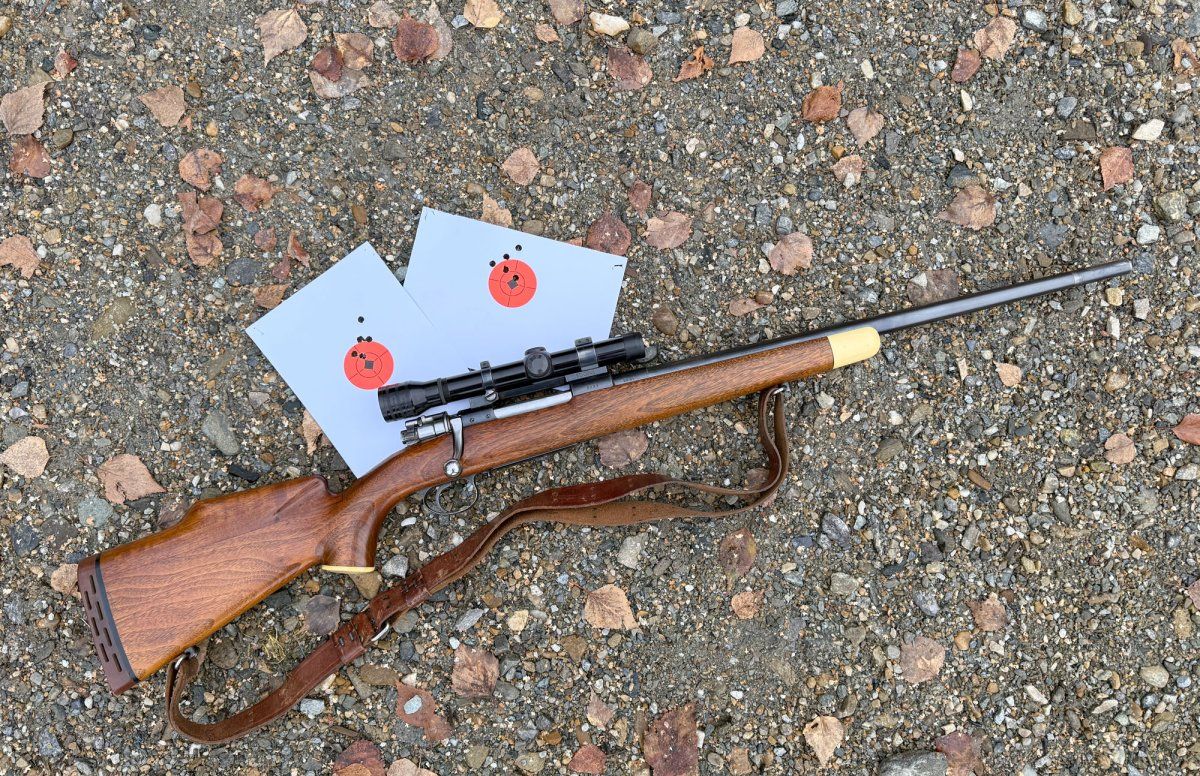
Outdoor Life's gun writer argues that the stance most hunters carry into the field, a body angled off the line of the bore, costs them follow-up shots. Competition shooters in NRL Hunter, PRS, and NRL-style rimfire matches have spent years fixing that problem. The piece, published October 16, 2026, aims at a specific reader: the hunter who wants to keep a classic bolt gun and skip the gadgets. The message is blunt. You don't need a new chassis to shoot better. You need to square your shoulders to the rifle, change how your hand sits on the grip, and stop breaking position to cycle the bolt.
Key Details
The author spent his early years shooting a service rifle at 200, 300, and 600 yards. Today his training runs through NRL Hunter and PRS matches. He reports that competition techniques have improved his shooting in the field, and that readers who hunt with traditional rifles tell him they want the fundamentals without the hardware.
- Blading defined: The shoulders angle away from perpendicular to the bore. The non-shooting shoulder rotates forward, and the stock rides the rear shoulder.
- The fix: Square your body to the butt of the rifle so recoil runs straight back.
- Sight picture: Even high-level shooters on light, braked competition guns see their sight picture move. Classic rifles make spotting impacts unrealistic, but a square position helps the rifle settle back on target.
- Eye relief: Squaring up often means sliding the scope rearward.
- Exception: Slow, single offhand shots still suit a traditional bladed stance. A squared position works better for offhand shots at 100 yards or less and for driven game.
- Diagnosing your stance: A right-handed shooter whose rifle jumps right is still too bladed. A sight picture that jumps left usually means too much cheek pressure on the comb.
- Thumb placement: Resting the thumb on top of the tang or alongside the grip cuts the torque you put into the gun. The author learned this in 2009 from a friend, a former Marine Scout/Sniper.
- Grip pressure: On a 25-pound PRS rig, shooters use only enough pressure to control the gun and break the shot cleanly. A light hunting rig needs a firmer hold. The author and shooting editor John Snow call this "driving the rifle."
- Bolt cycling: Pulling the rifle off the shoulder to chamber another round costs time on PRS stages and seconds in the woods.
Background
Traditional rifle instruction, including the service rifle programs many older shooters trained on, taught a bladed body. The stance kept the shooter's torso steady for slow, deliberate shots, and it still works that way offhand. Hunting rifles grew up around that method. Modern precision rifle competition took a different path. PRS shooters and their gunsmiths built stocks, chassis, and grips around a vertical or near-vertical grip, with the thumb resting on top rather than wrapped around the wrist. Hunters picked up those ideas more slowly. Newer formats like NRL Hunter pushed the same fundamentals into hunting, asking shooters to hit targets at distance from field positions with rifles that resemble the ones in their closets. The author's point is that the old stance and the new grip are not rivals. Each one solves a different part of the same problem, which is keeping the rifle steady through recoil so the next shot lands fast.
Why It Matters for Gun Owners
Any hunter who shoots a bolt rifle at deer, elk, hogs, or predators will feel the difference. The stance matters most for shooters who take a second shot, whether on a running animal or a group of game in a driven hunt. If you break position to work the bolt, you lose your sight picture, your target, and sometimes the animal. Hunters who shoot offhand at close range can keep their bladed stance for single shots. Anyone who hunts from a bench, tripod, or shooting sticks should square up and test the change. The cost is a few boxes of ammunition and some time at the range, not a new rifle. Watch for two warning signs: a rifle that climbs to one side under recoil, and a scope that hits your eyebrow or cheek. Both mean your body position or grip needs adjustment before the next hunt.
DownRange Analysis
This is a skills story, not a legal one, and the skills matter. Bruen asks whether a regulation fits the nation's historical tradition of firearm regulation. It says nothing about how well you hit what you aim at. A right you can't use under pressure is a right you hold on paper. Hunters who train their stance and grip become more ethical and more effective, and that counts for the sport. The market angle is simple. Shooters who fix their fundamentals spend less on accessories and more on ammunition and range time. This week, do three things. Dry fire from a squared position and check where your sight picture goes after the trigger breaks. Cycle your bolt from the shoulder at 100 yards with snap caps or live rounds. Then adjust your grip so the thumb rests lightly and your trigger finger stays relaxed.