Tourist Charged and Tossed by 2,000-Pound Bison at Yellowstone
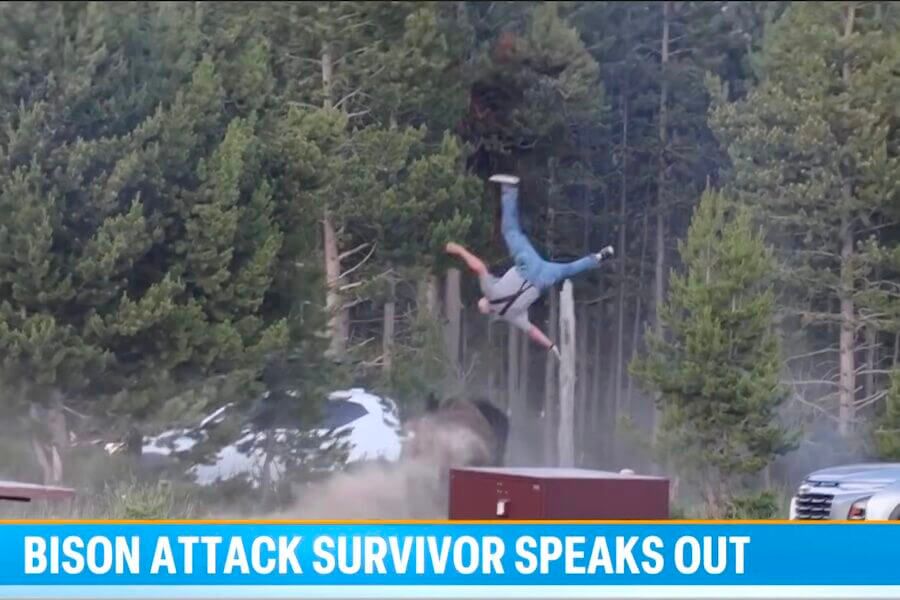
A Yellowstone National Park visitor was launched airborne after a bison bull charged him without warning. The animal, weighing roughly 2,000 pounds, struck the man and tossed him several feet into the air. Park rangers documented the incident near thermal features where tourists routinely ignore safety barriers. The man survived with injuries but faced hard questions about situational awareness and armed self-defense in federal land.
This incident raises critical concerns for armed citizens visiting national parks. Federal law prohibits carrying firearms in Yellowstone, leaving visitors defenseless against aggressive wildlife. The tourist could not access his carry gun to protect himself. Park officials issued warnings but took no preventive action before the attack occurred.
Why It Matters for Gun Owners
Armed citizens lose their constitutional right to self-defense inside Yellowstone's boundaries. The federal ban strips visitors of the ability to defend against predatory animals or human threats. A concealed carry permit means nothing when crossing into park land. Gun owners must travel disarmed through thousands of square miles of remote terrain.
The bison attack demonstrates that natural threats exist regardless of federal restrictions. A .357 Magnum or 10mm handgun could have stopped the charging animal before it connected. The tourist had seconds to respond—federal law guaranteed he could not. Wildlife officers eventually shot the bison, but only after the damage was done.
This case strengthens arguments against gun bans on federal property. Predators recognize defenseless prey. Bison, bears, and moose attacks increase when populations grow near visitor areas. Federal policy forces gun owners to bet their lives on ranger response times, which can exceed hours in remote park sections.
Carry permit holders should document park policies before arrival. Leaving firearms at lodges creates liability and leaves you exposed during transit. Some visitors choose not to visit parks rather than surrender their carry guns. Others accept the legal risk and carry anyway—understanding the consequences.
Background
Yellowstone spans 3,468 square miles across Wyoming, Montana, and Idaho. The park hosts over 4 million visitors annually. Bison populations have rebounded to roughly 5,000 animals after near extinction. These massive ungulates are unpredictable and increasingly aggressive near developed areas.
Federal law prohibits firearms in national parks unless unloaded and locked in vehicles. This applies to all visitors, including armed security personnel and off-duty law enforcement in some cases. The ban originated in the 1970s and remains in effect despite Second Amendment litigation.
Previous bison attacks have hospitalized visitors. In 2022, a woman was tossed near the same thermal area. Park warnings urge visitors to maintain 25 yards distance—advice ignored by many tourists focused on photography. Rangers cannot be everywhere. Response times in backcountry areas often exceed one hour.
DownRange Bottom Line
Federal gun bans on national park land create defenseless populations. This Yellowstone incident proves natural threats exist in those spaces. Armed visitors cannot carry the tools necessary for self-defense. Gun owners planning park visits should understand local laws, accept legal risks if carrying anyway, or choose alternative destinations.
The Second Amendment applies everywhere citizens travel. Federal restrictions contradict constitutional carry principles. Until those bans fall in court, armed citizens must decide whether federal land access justifies surrendering self-defense rights. This tourist's injuries answer that question for many gun owners: some places aren't worth the risk.