1791 Industries Cuts Five Ounces From Standard AR Platform
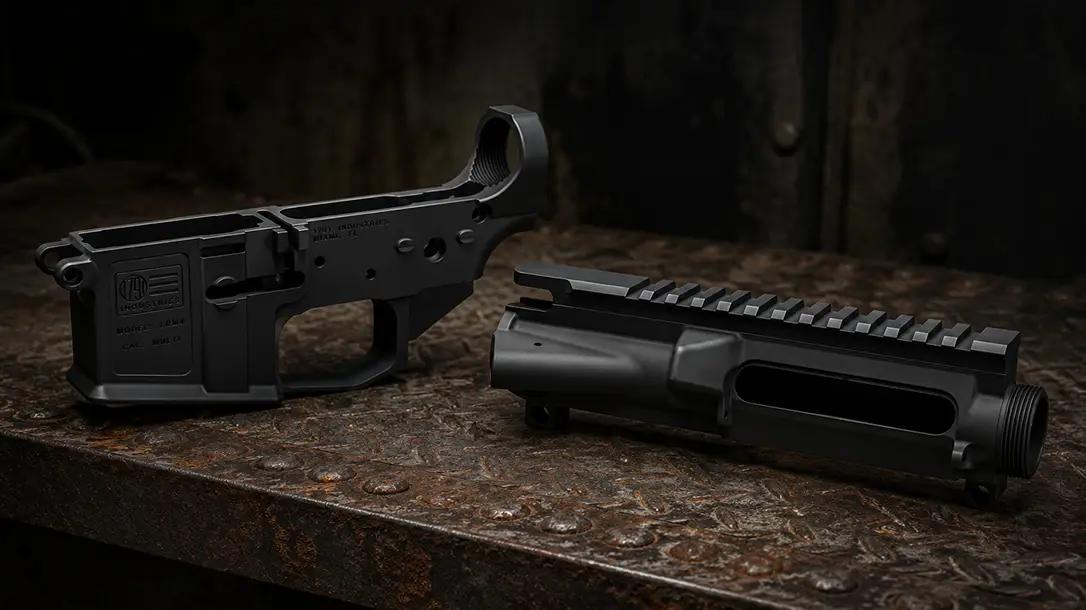
1791 Industries released ultra-lightweight upper and lower receivers designed to trim weight from custom AR builds. The receivers use proprietary machining to remove unnecessary material while maintaining structural integrity. A complete matched set weighs significantly less than conventional aluminum forgings.
The company targets shooters building precision rifles, patrol carbines, and competition guns. Each upper and lower accepts standard parts—bolt carrier groups, charging handles, triggers, buffer tubes. No proprietary components lock buyers into 1791's ecosystem.
Weight reduction appeals to shooters carrying guns daily. Patrol officers, security contractors, and backcountry hunters benefit from trimmer platforms. Five fewer ounces matter over eight-hour shifts or mile-long hikes.
Why It Matters for Gun Owners
Custom AR builders obsess over component weight. Lighter uppers and lowers ripple through entire builds—allowing heavier optics, better handguards, or stiffer barrels without exceeding target weights.
1791's receivers accept any standard parts. Builders avoid compatibility headaches common with proprietary designs. Existing trigger groups, bolt carriers, and charging handles drop straight in.
The receivers cost less than titanium alternatives. Shooters get weight savings without five-figure price tags. Standard 7075-T6 aluminum receives precision CNC work instead of exotic materials.
Daily carriers benefit most. Law enforcement, security personnel, and armed civilians spend hours with rifles in vehicles, on duty belts, or slung across chests. Cumulative weight reduction prevents fatigue and improves weapon handling. A five-ounce savings compounds across long shifts.
Competition shooters building three-gun or PRS rifles find value here. Lightweight receivers integrate with precision stocks, free-float tubes, and heavy match barrels. Total gun weight stays manageable while maintaining accuracy.
Background
AR-15 uppers and lowers haven't changed fundamentally since Eugene Stoner's original design. Forged aluminum remains the standard—proven, affordable, durable. Most shooters accept conventional weight as baseline.
CNC machining enabled alternative approaches. Companies began removing material from non-critical zones. Pockets, lightening cuts, and skeletonized designs became common over the past decade.
1791 Industries applied aggressive lightweighting without sacrificing reliability. The receivers maintain mil-spec dimensions and accept standard parts. Engineering focused on removing mass from areas not bearing stress.
Similar lightweight receivers exist from other manufacturers. Titanium options command premium prices—$300 to $500+ per matched set. Aluminum alternatives typically cost $200 to $350. 1791's pricing aligns with mid-market offerings while delivering measurable weight reduction.
Custom AR builders increasingly demand weight-conscious components. Modular designs, free-float tubes, and precision optics created demand for lighter platforms. 1791 addresses this directly without gimmicks.
DownRange Bottom Line
1791 Industries delivers practical weight savings without sacrificing compatibility or durability. Five ounces may seem marginal—it compounds into real benefits across daily carry scenarios.
The receivers work as drop-in replacements in existing builds. Builders don't redesign gas systems, feed ramps, or trigger pockets. Standard parts inventory applies directly.
Pricing remains accessible to custom builders. Exotic materials and boutique manufacturers cost significantly more. 1791's approach—precision machining of conventional aluminum—hits a sweet spot.
Daily carriers and patrol shooters should evaluate lightweight platforms seriously. Weight adds up. Every ounce counts during long operations. These receivers deliver real-world benefits without compromise.
Competitive shooters, precision rifle enthusiasts, and duty gun builders have a legitimate option for reducing platform weight. That matters more than marketing claims.