Washington's Top-Tier Gun Laws Failed to Stop Seattle Shooting
Washington state enforces some of the nation's strictest gun control statutes, yet a shooting this past weekend in Seattle proceeded unimpeded. The incident has reignited the familiar pattern: politicians and officials immediately pivoted blame toward the firearm itself rather than examining why existing restrictions—ranked among the toughest in America by Everytown for Gun Safety—did not prevent the attack. The state's regulatory framework has expanded significantly over recent years, yet the shooting demonstrates the persistent gap between law passage and real-world prevention.
Key Details
- Washington state ranks in Everytown's top 10 for strictness of gun control legislation
- The state has passed numerous gun control laws in recent years
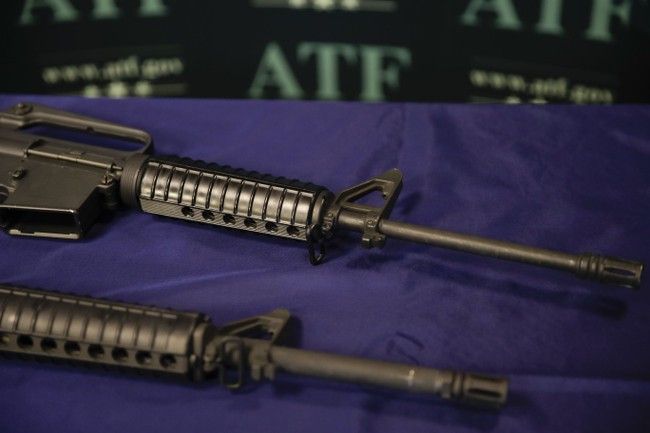
- Officials responded by focusing on the type of firearm used rather than enforcement or criminal accountability
- The incident occurred in Seattle, Washington's largest city
Why It Matters for Gun Owners
This shooting exposes the core failure of restriction-heavy approaches: laws prevent law-abiding owners from exercising rights while criminals ignore statutes entirely. Washington gun owners face mounting regulations that have not demonstrably reduced violent crime—yet face continued pressure for additional bans and restrictions. When officials respond to criminal violence by attacking gun types rather than prosecuting offenders, they signal that public safety is secondary to their gun control agenda. For competitive shooters, hunters, and carry permit holders in Washington, this pattern means expect new restrictions targeting whatever firearm was used, regardless of whether that addresses the actual criminal behavior that occurred.
DownRange Analysis
Washington's position as a top-10 gun control state while experiencing street violence reveals the fundamental dishonesty in the restriction argument. If laws worked as promised, this shooting shouldn't happen. Instead of acknowledging this failure, officials weaponize the incident to demand more of what already failed. Gun owners should recognize this cycle: each shooting becomes justification for the next law, whether or not the new law addresses actual criminal behavior. The focus on the firearm rather than the criminal confirms that the goal is incremental disarmament, not crime prevention. Monitor Washington legislature activity closely—this incident will be used to justify additional restrictions on lawful ownership.