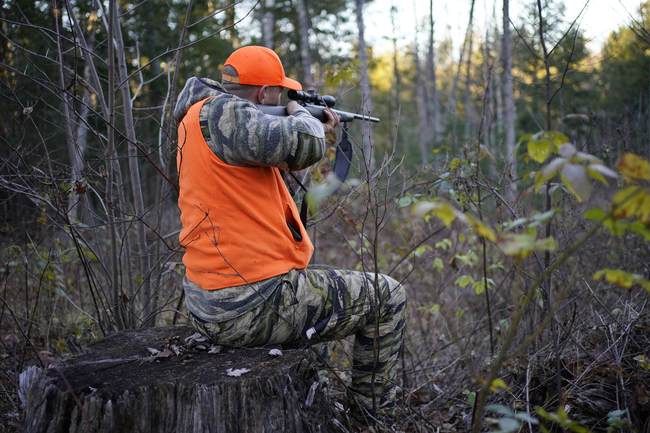
Post-War Gun Culture Shaped an Entire Generation Without Modern Marketing
Baby Boomers grew up in an America where firearms were already normalized as tools for hunting, sport, self-defense, and civilian life. Unlike today's gun owners who often discover shooting through targeted advertising or online communities, Boomers inherited a shooting culture that required no introduction. Guns were present in rural and suburban households across the nation, handled as naturally as any other tool, passed down through family instruction and community participation.
Key Details
The Boomer generation came of age during the 1950s and 1960s—decades when:
- Hunting seasons brought families to the field without legal restrictions comparable to modern regulations
- Firearm safety instruction was embedded in school curricula and community organizations
- Gun ownership required minimal licensing or permitting across most states
- Shooting sports and marksmanship clubs operated openly in towns nationwide
- No federal advertising industry existed to market guns—cultural acceptance was already established
Why It Matters for Gun Owners
Understanding how Boomers developed their relationship with firearms reveals a critical reality: gun culture survives and grows through generational transmission and community practice, not marketing spend. For today's gun owners, this means the survival of the shooting community depends on introducing younger people to hunting, sport shooting, and responsible ownership through direct participation—not through digital campaigns or retail promotions. States with active hunting seasons, accessible ranges, and youth shooting programs maintain stronger gun cultures. The inverse is also true: states that restrict access, limit hunting opportunities, or impose licensing barriers weaken the natural pipeline that once created millions of comfortable, competent shooters.
DownRange Analysis
The Boomer gun-owning cohort represents a high-water mark that may never be replicated. They benefited from a legal and cultural environment where firearms required no explanation—they were simply part of American life. Today's gun rights strategy must acknowledge this shift: the legal and regulatory environment has hardened considerably, meaning younger generations require active mentorship and hands-on introduction to shooting sports to maintain gunowner numbers. Range time, hunting trips, and junior shooting competitions are now the primary tools for building new shooters. States investing in public access to ranges and hunting opportunities will preserve gun culture; those prioritizing restrictions will watch participation crater, regardless of how well-funded pro-gun organizations become.