
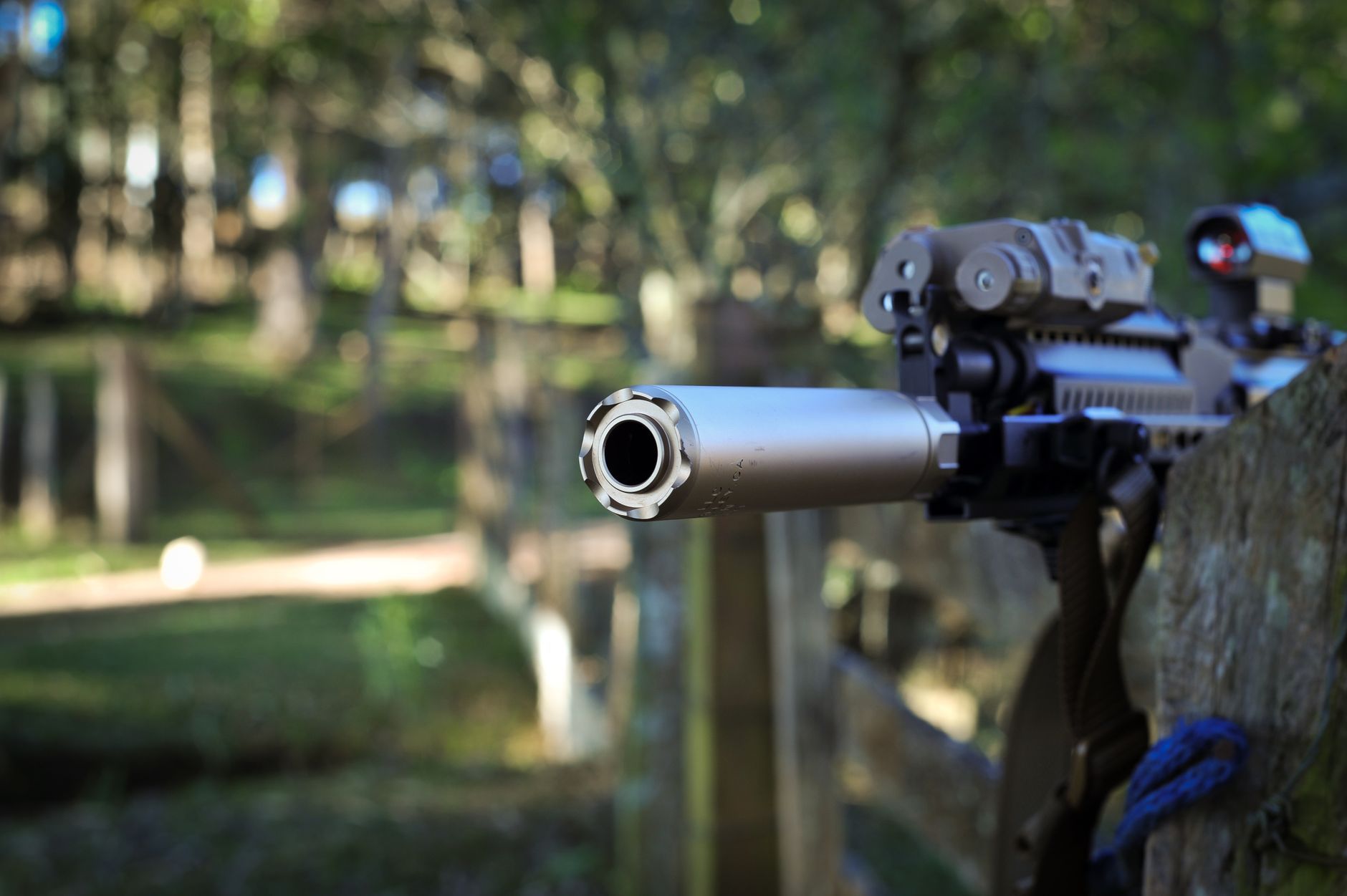

The $200 NFA tax stamp is gone. As of March 2025, when the One Big Beautiful Bill passed and President Trump signed it, suppressors moved from Title II NFA weapons to standard regulated firearms in federal law. No more $200 stamp. No more Form 4. No more nine-month wait.
This changes everything about how you buy, own, and use suppressors. But it doesn't change everything everywhere — some states still ban them outright, and the market shifted hard once the tax disappeared. Here's what you actually need to know.
What the One Big Beautiful Bill Actually Changed
The bill removed suppressors from the National Firearms Act entirely. They're no longer Title II weapons. They're now treated like any other regulated firearm component — you need to pass a background check like you would for a lower receiver, but there's no federal tax, no Form 4, no chief law enforcement officer sign-off, no 90-day to 18-month waiting period depending on your jurisdiction.
That's the core change. The ATF no longer classifies suppressors as NFA items. They're under the same regulatory structure as a stock or a magazine. The instantaneous part was federal — the day it passed, the federal requirement was gone. State laws, though? Those stayed exactly where they were.
The industry didn't pause. Within two weeks of the bill signing, suppressor manufacturers and dealers were reshuffling their entire business models. Some stopped charging the tax immediately. Others waited for official ATF guidance. By June 2025, the market settled into a new baseline: suppressors priced without the $200 federal tax burden baked in.
What Suppressors Cost Now
A quality centerfire suppressor that cost $450 plus $200 tax ($650 out the door) in 2024 now runs $420 to $480 retail depending on the brand and model. The tax removal didn't translate to a dollar-for-dollar price cut — manufacturers didn't drop prices by exactly $200. But the effective cost to own one dropped significantly.
Here's what you're looking at for solid, field-tested units:
- SilencerCo Omega 9K: $399–$449. Modular, 9mm-centric, runs on most 9mm platforms. Solid choice if you're suppressing a pistol or PCC first.
- Rugged Suppressors Obsidian 45: $449–$499. Works on .45 ACP, 9mm, and subsonic .300 Blackout. Versatile if you're running multiple calibers.
- Dead Air Nomad 30: $469–$519. Full-auto rated, handles everything from .300 Blackout to .308 Winchester. Most people buy this one.
- AAC Ranger 7.62: $389–$429. Older design, still reliable. Budget option if you just need the basic function on a .308 rifle.
- YHM Resonator K: $299–$349. PSA-style budget suppressor for 5.56 NATO. Not quiet by modern standards, but it works and the price reflects it.
All of these prices are without a federal tax stamp. In 2024, you'd add $200 to each of these numbers, then wait. Now you just pay the suppressor price, pass the background check, and take it home same day or within your state's transfer period.
Dealers still make money — they're charging a transfer or processing fee ($0–$75 depending on the shop), and suppressors still move through the normal 4473 system. But the federal barrier evaporated.
States That Still Ban Suppressors Entirely
Federal law changed. State law did not.
As of 2026, these states still ban civilian suppressor ownership completely: California, Delaware, Hawaii, Illinois, New York, New Jersey, and Rhode Island. Even with the federal tax gone, you cannot legally own a suppressor in these states. Full stop. The One Big Beautiful Bill doesn't override state restrictions.
A few other states have quirks: Vermont allows suppressors but treats them like any other firearm component (no special restriction). Washington State allows them. Oregon allows them. Virginia allows them. But the seven I listed above? No suppressors, period.
If you live in one of those states and want a suppressor legally, you have to move or travel out of state to shoot suppressed. There's no federal preemption argument here — the state restriction is still in place. The tax is gone in red states and purple states, but availability isn't universal.
What Suppressor to Buy First
Buy caliber-specific. Don't buy a "universal" suppressor unless you're only running one gun.
If you shoot 5.56 rifles primarily, get a mid-length .22-caliber rated suppressor like the Dead Air Nomad 30 or Rugged Suppressors Razor 5.56. You'll get real hearing protection — a good .223 suppressor runs 28–32 decibels, which actually makes a difference at the range.
If you carry a 9mm pistol, get a dedicated 9mm can. The SilencerCo Omega 9K is the standard answer because it handles both pistol and PCC duty without overcomplicating your life. Don't buy a big .45 suppressor if your gun is 9mm. Suppressor diameter on the gun matters — threading and bore area both have to align with what you're shooting.
If you reload or shoot subsonic loads, go .300 Blackout specific with a Rugged Suppressors Obsidian 45 or Dead Air Nomad 30. These were built for this cartridge, and they'll actually suppress it. You'll get 30–33 decibels with subs, which is hearing-safe.
Don't overthink it. You don't need four suppressors. You need one that matches your primary rifle or pistol. Buy that one, shoot it, understand what suppressed shooting feels like, then add a second if you need to run different calibers.
How to Actually Buy One Now
Walk into a gun store in a suppressor-legal state and pick one. They'll do a 4473 background check. You'll pass (hopefully). You'll pay the retail price. Some states have a waiting period for transfers — Texas is instant, California doesn't allow them at all, most states are 3–10 days. You take the suppressor home and mount it.
Online works too. Silencer Shop, Capitol Armory, Rugged Suppressors' direct sales — they all ship to your local FFL (suppressor dealers in your state), you pass the check, and you pick it up. No Form 4. No chief LEO. No tax stamp fee.
The only real requirement left is a background check and residency in a state that allows them. That's it. The NFA process is dead for suppressors.
DownRange Bottom Line: The One Big Beautiful Bill killed the $200 NFA tax for suppressors in March 2025, and suppressor prices dropped accordingly. If you live in a suppressor-legal state (which is most of them), the barrier to entry is now background-check-level, not Form 4-wait-time-level. Buy a caliber-specific suppressor that matches your primary gun, expect to pay $300–$500, and don't waste money on "universal" cans. If you're in California, New York, New Jersey, Delaware, Hawaii, Illinois, or Rhode Island, nothing changed — suppressors are still banned. For everyone else, the easiest time to buy a suppressor is right now.