
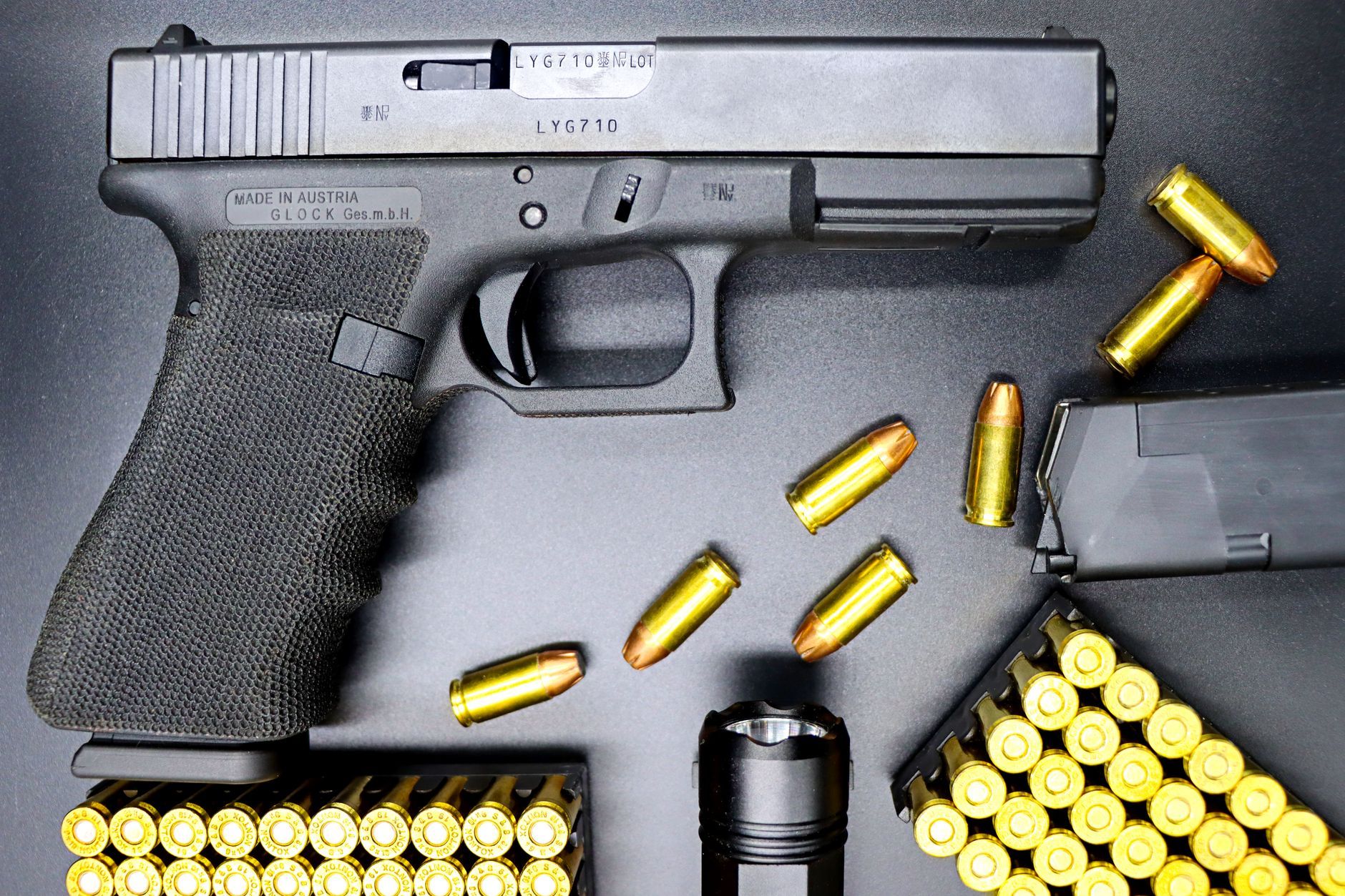

Connecticut's Glock Ban Just Got Stopped Cold
On September 30, 2026—literally hours before Connecticut's ban on convertible pistols was set to take effect—U.S. District Judge Kari A. Dooley issued a preliminary injunction that halted HB 5043 enforcement. The law would have banned Glocks and similar pistols that can accept different caliber conversion kits. It didn't happen. Not yet, anyway.
This matters because Connecticut gun owners woke up October 1st without having to surrender firearms they legally owned. Glock Inc. and individual gun owners challenged the ban, and the court sided with them before the deadline. That's a rare win in a state where the legislature has spent the last decade slowly tightening the screws on legal gun ownership.
But don't mistake this for a permanent victory. This is a preliminary injunction—a temporary hold while the case works through the courts. Connecticut will appeal. They always do. What happens next will depend on how the full legal case develops, and whether Judge Dooley's reasoning holds when it gets fully briefed.
What HB 5043 Actually Did
Connecticut's bill targeted what lawmakers called "convertible pistols"—firearms that can be quickly modified to fire different calibers using conversion kits. Glocks were the primary target, partly because Glock makes its own conversion kits and sells them openly, and partly because anti-gun politicians view Glock as synonymous with "scary gun."
The ban would have made it illegal to manufacture, sell, transfer, or possess these firearms in Connecticut. Existing owners would have faced a choice: surrender the gun, sell it out of state, or become felons. Connecticut likes that approach—mandatory buybacks disguised as compliance deadlines.
The state's argument was predictable: public safety, officer safety, preventing mass shootings. The gun rights argument was straightforward too: the Second Amendment protects common firearms in common use, and Glock pistols are the most popular handguns in America. That's not an edge case; that's mainstream.
Judge Dooley apparently agreed that the plaintiffs had made a strong case, which is why she blocked it before it took effect. Whether that holds depends on the merits briefing that's coming.
New York Is Playing a Different Game
While Connecticut's ban got stopped in federal court, New York is pursuing enforcement of its ghost gun statute with brutal aggression. Demetrio Daga, a 44-year-old first-time offender from Albany, was convicted on 15 weapon felonies for manufacturing and possessing unserialized 3D-printed firearms at home and faces up to 40 years in state prison.
This isn't about him using the firearms to hurt anyone. He was convicted for possessing them. Civil rights advocates are arguing he was specifically targeted under New York's ghost gun statute—the law that makes it illegal to manufacture or possess firearms without serial numbers, with the obvious practical effect of making home gunsmithing a felony.
New York is willing to destroy someone's life to send a message about ghost guns. Connecticut tried to ban Glocks outright. Texas is doing something else entirely.
What Texas and the Feds Just Did
The National Firearms Act registry has been a thorn in the side of Second Amendment advocates since 1934. It requires registration of suppressors, short-barreled rifles, and other "regulated" items—along with a $200 tax per item. After a federal judge struck down NFA registration requirements once the making and transfer taxes hit zero, the Department of Justice abandoned the fight and told Congress they won't appeal.
That's significant. The DOJ doesn't typically surrender on regulatory authority. The fact that they did suggests the legal argument was solid enough that they couldn't defend it in appellate court without taking a major political hit.
What this actually means is still being sorted out. The NFA itself isn't gone. But the registration requirement for tax-paid items appears to be vulnerable. That's going to have ripple effects across gun law for years.
What This Means for Gun Owners in CT, NY, and Beyond
Connecticut gun owners should check the Connecticut state law page on DownRange and understand that this injunction is temporary. The state will appeal. You need to stay informed about how that case develops because the outcome will directly affect what you can legally own.
New York gun owners already know the environment there is hostile. The New York law page covers the current state of play, but understand that prosecutors in places like Albany are willing to pursue maximum sentences for technical violations. If you're in New York and thinking about building or possessing unserialized firearms, the Daga case should make you think twice.
Texas gun owners are watching the NFA issue develop because it could affect what they can legally make or possess. The Texas state law page shows where Texas law stands today, but federal decisions about NFA registration could change the landscape.
At the national level, what we're seeing is inconsistent court outcomes. Connecticut's Glock ban got blocked before it took effect. New York is aggressively enforcing ghost gun statutes. The DOJ is backing away from the NFA. These aren't coordinated outcomes—they're the result of different judges, different legal theories, and different jurisdictional approaches colliding.
What You Should Do Now
First, know your state's laws. Check the DownRange state law pages for your jurisdiction. Second, if you live in a state where enforcement is aggressive (New York, Connecticut), understand that prosecutors are willing to push hard on technical violations. Don't assume that because you think a law is unconstitutional, you won't be charged.
Third, stay informed. The Connecticut case will be appealed. How Judge Dooley's preliminary injunction holds up on appeal matters. The NFA registration issue is still being sorted out. Gun law is moving fast right now, and outdated information will get you in trouble.
Fourth, if you own a Glock or convertible pistol in Connecticut, don't assume this is over. The preliminary injunction stops enforcement now, but the case is continuing. You need to track how it develops.
Finally, understand that gun law in America is now genuinely fragmented. Connecticut's courts are blocking bans on common firearms. New York is sending people to prison for possessing unserialized guns. Texas just won against the DOJ on NFA registration. These outcomes don't add up to a coherent legal framework—they add up to a patchwork where your rights depend heavily on where you live and which judge you get.
DownRange Bottom Line: Connecticut's federal judge just stopped the state's Glock ban hours before it took effect, but this is a preliminary win in a longer fight that will go to appeal. Meanwhile, New York is aggressively prosecuting ghost gun cases with brutal sentences, and the DOJ just surrendered on NFA registration requirements. If you own firearms in any of these states, you need to know your specific state laws and understand that enforcement approaches are wildly different depending on jurisdiction. Stay informed, stay legal, and don't assume yesterday's legal status is tomorrow's reality.