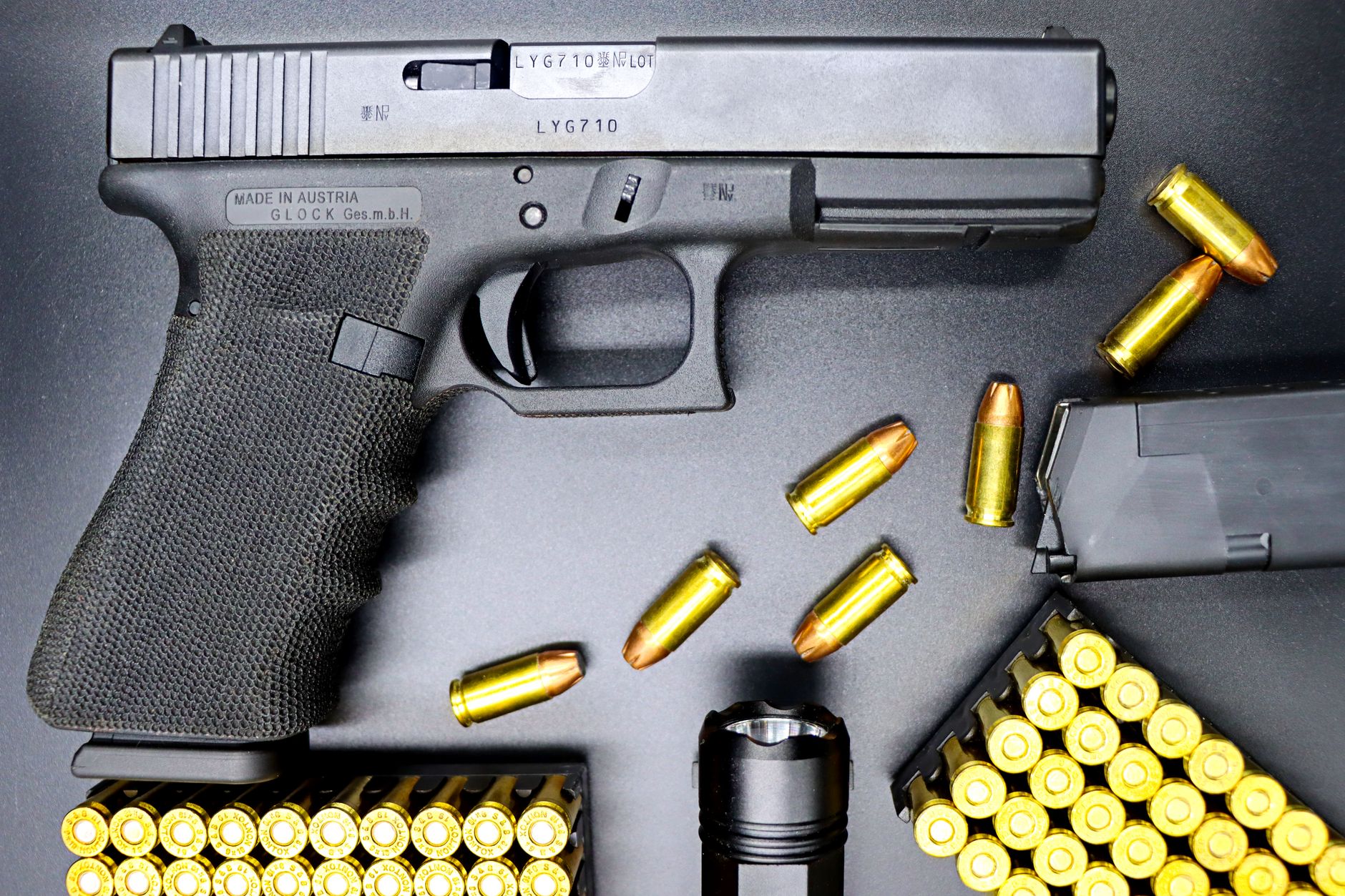
Federal Judge Blocks Connecticut's Glock Ban Hours Before Enforcement
U.S. District Judge Kari A. Dooley granted an emergency preliminary injunction on September 30, 2026, blocking Connecticut from enforcing House Bill 5043 (Public Act 26-41)—a state law banning convertible pistols. The injunction stopped the ban one day before its October 1 enforcement date. Glock, Inc. and a coalition of gun owners filed consolidated lawsuits challenging the law. Connecticut officials may not seize, arrest, or prosecute anyone under HB 5043 while the injunction remains in effect.
Key Details
- Bill scope: HB 5043 targeted pistols with frames or receivers capable of accepting conversion kits to fire fully automatic rounds—a direct threat to Glock's modular pistol lineup and aftermarket parts commerce.
- Timing: Judge Dooley's ruling came hours before the law took effect, preventing immediate enforcement chaos and potential illegal arrests under an unconstitutional statute.
- Plaintiffs: Both a major firearm manufacturer and individual gun owners mounted parallel challenges, strengthening the constitutional argument and forcing the court to address both commercial and personal liberty interests.
- Status: The preliminary injunction remains in place during ongoing litigation; Connecticut may appeal or attempt to modify the law.
Why It Matters for Gun Owners
Connecticut residents can legally possess and carry Glocks without fear of prosecution—for now. If you own one of the affected pistols or had planned to purchase one, the injunction protects you from arrest or confiscation. This ruling also signals that federal courts are willing to block state bans on widely-owned firearms and modular components before they cause damage. Gun owners in Connecticut should monitor this case closely, as a final ruling could set precedent for other states considering similar bans. Keep documentation of your firearms' current status. If the injunction is lifted pending appeal, compliance timelines matter. This case directly tests whether states can ban popular self-defense tools based on theoretical conversion capability.
DownRange Analysis
Judge Dooley's injunction reflects post-Bruen judicial skepticism toward vague weapons bans disconnected from historical tradition. Connecticut's law hinged on future conversion potential, not current function—a weak constitutional argument that fails strict scrutiny. The fact that a major manufacturer joined the challenge amplified the case's impact; courts take commercial speech and interstate commerce seriously. Glock's participation also suggests the company views this as a test case for similar bans in California, New York, and Maryland. Gun owners should expect this ruling to hold through trial unless the appellate court applies unusual deference to state safety interests. If Connecticut loses at final judgment, expect copycat bans to face immediate legal challenges in other jurisdictions.