Oklahoma National Guard Member Arrested for Gun in Washington, D.C.
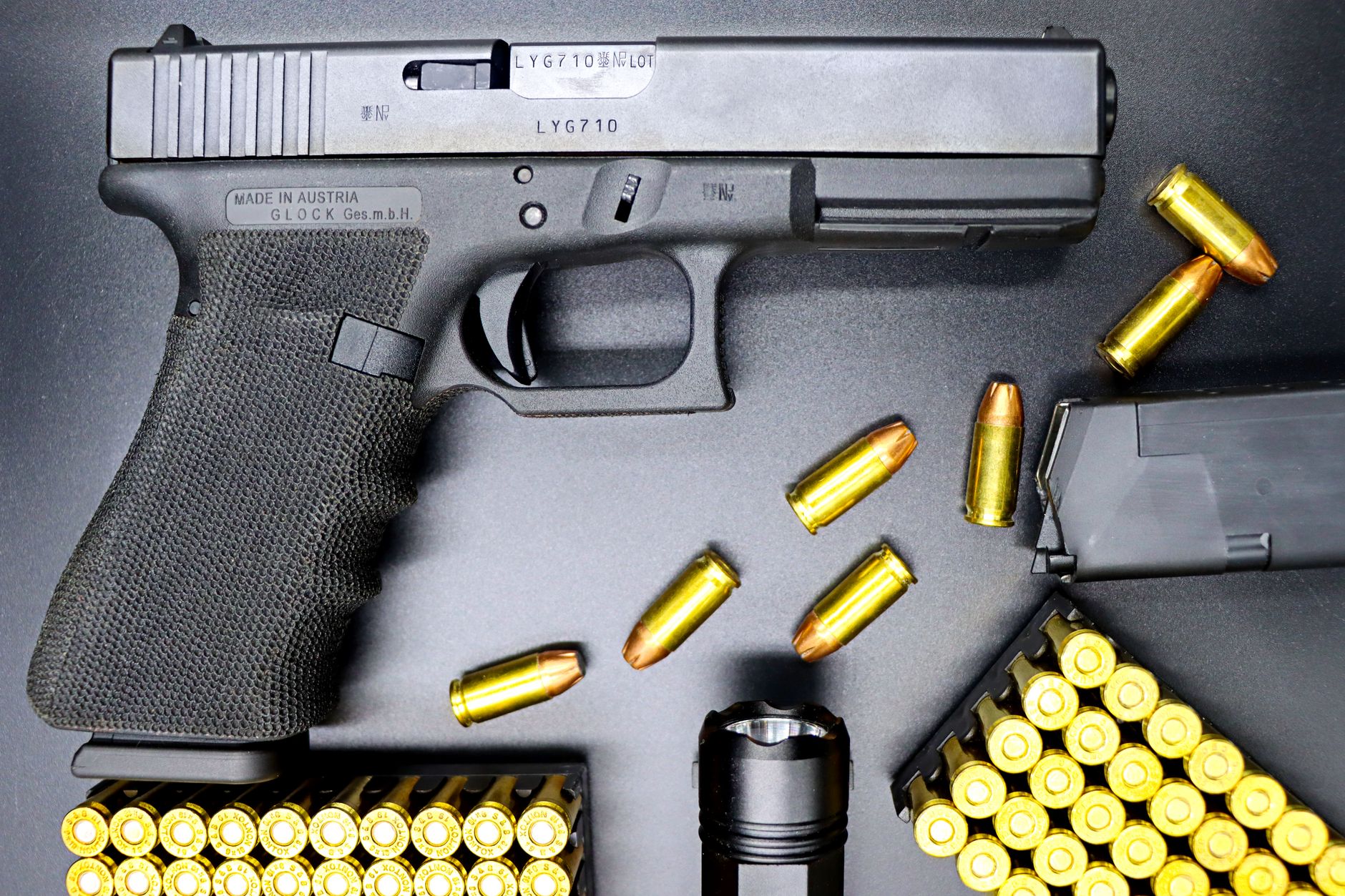
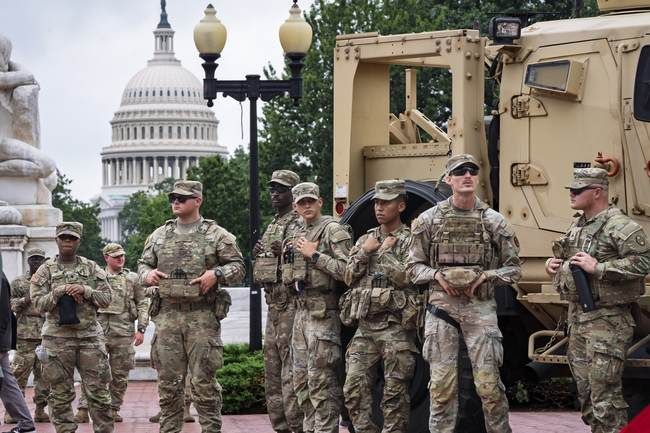
A 22-year-old soldier from the Oklahoma National Guard deployed to Washington, D.C. as part of the Trump administration's crime-fighting operation was arrested for carrying a firearm in the nation's capital. The guardsman faced charges related to the weapon being classified as "unauthorized" under D.C. law, creating a direct conflict between federal deployment orders and local firearms restrictions.
Key Details
- The soldier was 22 years old and on active deployment in D.C. under federal orders
- Arrested for carrying a firearm that violated D.C.'s weapon authorization requirements
- Case highlights the legal ambiguity when federal military personnel operate within D.C.'s strict gun-control framework
- Incident occurred during Trump administration's deployment of National Guard units to assist with D.C. law enforcement
Why It Matters for Gun Owners
This arrest exposes a critical contradiction in D.C. firearms law: federal personnel under presidential deployment orders cannot legally carry weapons in the capital without specific authorization, even when deployed for public safety. D.C.'s registration and permitting system effectively denies carry rights to nearly all residents and visiting armed personnel alike. For gun owners, it reinforces that D.C. remains one of the most restrictive jurisdictions in America—so restrictive it created a legal entanglement for active-duty soldiers. Anyone traveling through or stationed in D.C. needs to understand that the Second Amendment receives virtually no protection within city limits, regardless of constitutional status or military affiliation.
DownRange Analysis
This case underscores the practical collapse of Bruen logic in D.C. federal courts. Even armed servicemembers operating under presidential orders cannot overcome the city's near-total prohibition on carry. The arrestee will likely argue federal preemption or military necessity, but D.C.'s elected government has historically resisted Second Amendment claims with aggressive prosecution. The outcome matters beyond one soldier's case—it signals whether D.C. will recognize any exception to its carry ban, including for federal personnel. For the broader 2A movement, a conviction here demonstrates that Bruen has not yet broken D.C.'s resistance to constitutional carry, and that even federal authority cannot override local gun bans.