Philippine Military Recovers 170 Firearms in Five-Month Disarmament Push
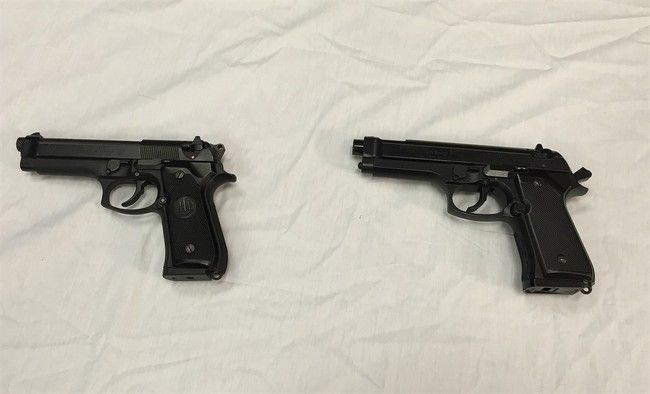
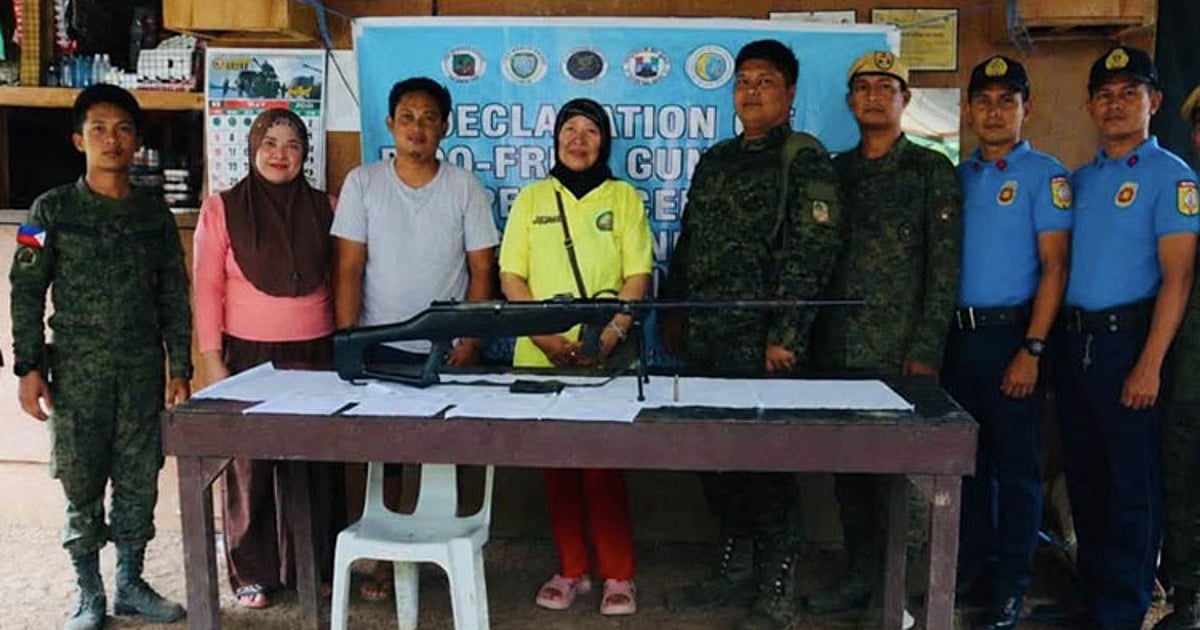
The 1102nd Brigade of the Philippine military recovered 170 firearms between January 1 and May 27, 2026, through enforcement of the Rido-Free, Gun-Free, and Peace-Centered Community initiative. The operation targeted illegal weapons circulating in communities marked by ongoing clan feuds and street violence. Military officials presented the recovery figures as evidence of sustained pressure on unregistered and confiscated arms. The 1102nd Brigade operates in regions where firearms ownership has fueled cycles of retaliatory violence tied to family disputes—a phenomenon known locally as rido. No breakdown was provided on weapon types, condition, or whether recovered arms included legally registered firearms seized during enforcement actions.
Background and Context
The Philippines maintains some of the world's strictest civilian firearm licensing regimes. The Firearms and Explosives Office (FEO) requires extensive background checks, security clearances, and demonstrated legitimate purpose for ownership. Despite these restrictions, the nation struggles with an estimated 1.8 million unregistered firearms in civilian hands, according to Small Arms Survey data. Clan violence in Mindanao and other regions has created persistent demand for illegal weapons. The government's disarmament campaigns have operated on and off since the 1990s, with mixed results. The current initiative frames gun control as a peace-building measure tied to ending rido—cycles of family vendetta killings that destabilize entire communities. Military operations target both illegal weapons and those seized from criminal suspects.
What This Means for Gun Owners
For Philippine gun owners, the 1102nd Brigade operation underscores the government's willingness to conduct active enforcement in civilian communities. Any firearms operation, registered or not, remains subject to military and police inspection under the initiative. Legal gun owners in affected regions should expect increased checkpoints and verification of permits. The 170-firearm recovery rate—averaging roughly 34 weapons per month—indicates sustained rather than sporadic enforcement pressure. Owners in Mindanao-based communities report increased scrutiny of ammunition purchases and transport. The program shows no signs of slowing; military commanders have framed disarmament as tied to broader peace processes in the region. Gun owners should maintain current documentation and comply with all registration and licensing renewal requirements, as non-compliance now carries higher enforcement risk.
Industry Impact
The recovery operation directly affects Philippine licensed firearms dealers and gunsmiths operating in the 1102nd Brigade's operational area. Stricter enforcement creates compliance pressure on retail inventory tracking and customer vetting. Ammunition suppliers face heightened scrutiny on bulk purchases and distribution. The program does not directly target legal manufacturers or major distributors outside conflict zones, but increased enforcement raises compliance costs for all dealers in affected provinces. International firearms manufacturers have already largely exited the Philippine civilian market due to regulatory barriers; the recovery operation reinforces that environment. Local gunsmiths report increased documentation demands. Advocacy groups focused on Philippine gun rights remain marginalized compared to civilian disarmament organizations backed by government and international NGOs. The operation reflects state policy consensus favoring weapons reduction over civilian defensive rights.
What to Watch Next
Monitor the 1102nd Brigade's monthly recovery figures and any official announcements on enforcement intensity changes. The Philippine military has signaled plans to expand the initiative to additional municipalities; watch for public statements from military commanders on geographic expansion. Any changes to FEO licensing or registration procedures should be tracked, as enforcement operations often precede regulatory tightening. Court cases involving challenged firearm seizures may emerge as legal challenges to the program surface. Watch for statements from the Armed Forces of the Philippines (AFP) on whether recovery numbers justify resource allocation or trigger policy adjustments. International humanitarian organizations have occasionally commented on Philippine disarmament efforts; their reports may indicate whether the program expands or faces external pressure. No specific upcoming hearings or legislative actions are scheduled, but congressional oversight of the initiative remains possible.
DownRange Bottom Line: The 170-firearm recovery demonstrates the Philippines' commitment to civilian disarmament through active military enforcement—a model fundamentally opposed to Second Amendment principles. American gun owners should recognize this as a cautionary example of how government monopoly on force operates when constitutional protections on the right to bear arms don't exist. Stay alert to any rhetorical or policy shifts in U.S. firearms regulation that echo the community disarmament language used in the Philippines.