Army Buys 14,000 EOTech Optics for M7, XM8, M250 Evaluations
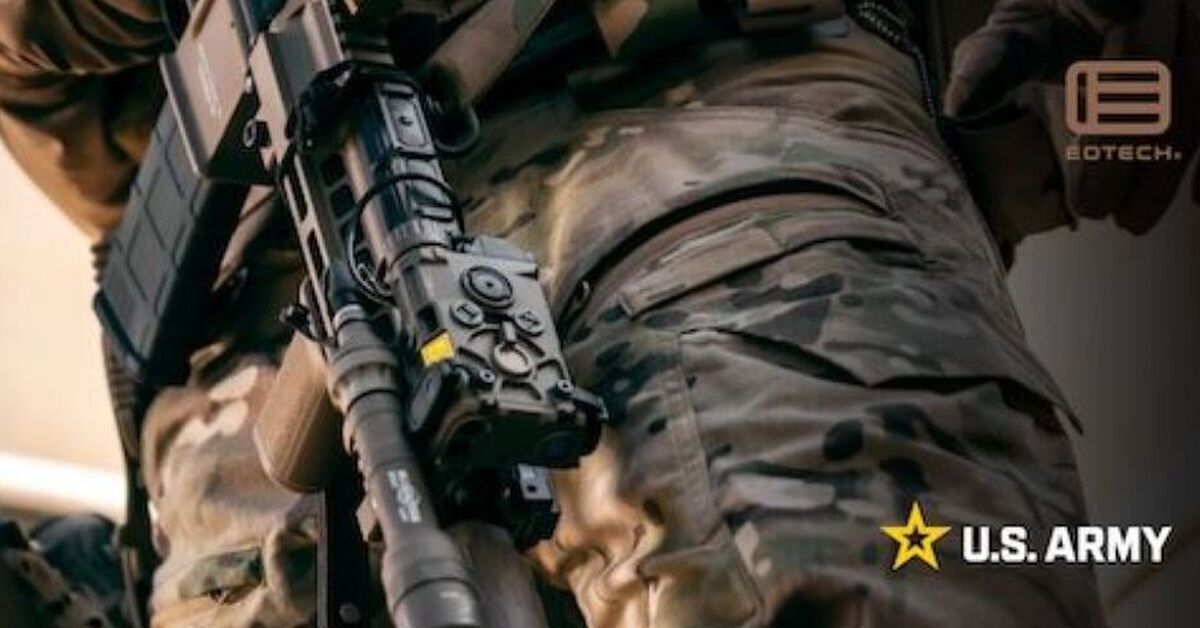
The U.S. Army ordered 14,000 EOTech holographic sights, On-Gun Laser (OGL) systems, and magnifiers through rapid-acquisition Transformation in Contact (TiC) purchasing channels. The order supports testing of three next-generation infantry rifles: the M7, XM8, and M250. Delivery timing and unit cost remain undisclosed by EOTech and Army officials.
This bulk purchase signals serious Army commitment to EOTech technology across multiple rifle platforms. The optics will equip soldiers during extensive field trials before the service selects a final rifle design. Previous Army evaluations favored Trijicon ACOG and newer holographic systems, making this EOTech deal significant for the optics market.
Why It Matters for Gun Owners
Military adoption drives civilian firearm design. When the Army chooses specific optics, manufacturers follow. Your next AR-15 upper receiver will likely come with rail cuts matching military-standard mounts. Prices drop when manufacturers produce optics at scale for military contracts.
EOTech dominates the holographic sight market. Their XPS and EXPS models already appear on civilian rifles nationwide. This Army order validates technology that concealed carry shooters, 3-gun competitors, and home defenders already trust. Wider military adoption means more aftermarket support, spare parts availability, and competitive pricing at gun shops.
The OGL systems interest tactical shooters most. Integrated aiming lasers improve target acquisition in low-light conditions. Current civilian EOTech lasers cost $800-$1,200 standalone. Military volume purchases could eventually lower civilian pricing through manufacturing efficiency.
Magnifier compatibility matters for your setup. EOTech's G33 and new magnifiers must cowitness with the ordered systems. That means your civilian magnifier choice expands or contracts based on what the Army selects. Military trials determine whether 3x or 5x magnification wins out.
Background
The M7, XM8, and M250 represent the Army's Next-Generation Squad Weapon program. After abandoning the XM5.56 and XM7 designations last year, the service reorganized rifle development under three separate acquisition tracks. Each platform targets different roles: the M7 focuses on intermediate-range engagement, the XM8 emphasizes modularity, and the M250 addresses squad automatic weapon requirements.
EOTech has supplied military optics since the early 2000s. Their holographic technology prevents parallax errors common in red dot sights. The company manufactures most units domestically in Michigan, meeting military domestic-content requirements.
Transformation in Contact (TiC) buys accelerate procurement. Rather than waiting for formal solicitation cycles, TiC allows rapid ordering when both parties agree on specifications and pricing. This pathway compressed EOTech's contract timeline substantially. The Army uses TiC frequently for proven equipment categories where performance data already exists.
14,000 units covers basic issue for multiple brigades. A typical infantry brigade consists of 4,000-5,000 soldiers. This order arms three brigades worth of riflemen and squad automatic gunners. The quantities suggest extensive, multi-location field testing across different climates and terrain.
DownRange Bottom Line
Military optics contracts establish market direction. This 14,000-unit order positions EOTech favorably for the eventual production contract that could involve hundreds of thousands of units. For gun owners, watch the trial results closely. The rifle the Army selects drives optical ecosystem development for the next 20 years. Whichever platform wins will dominate civilian AR-variant designs, accessories, and ammunition specialization. EOTech's involvement strengthens their civilian product roadmap and aftermarket support networks. Start paying attention to Field Artillery and infantry unit reports—early data from actual soldiers beats manufacturer claims every time.