S&W Brings Back WWI-Era .45 N-Frames at $1,299 Each
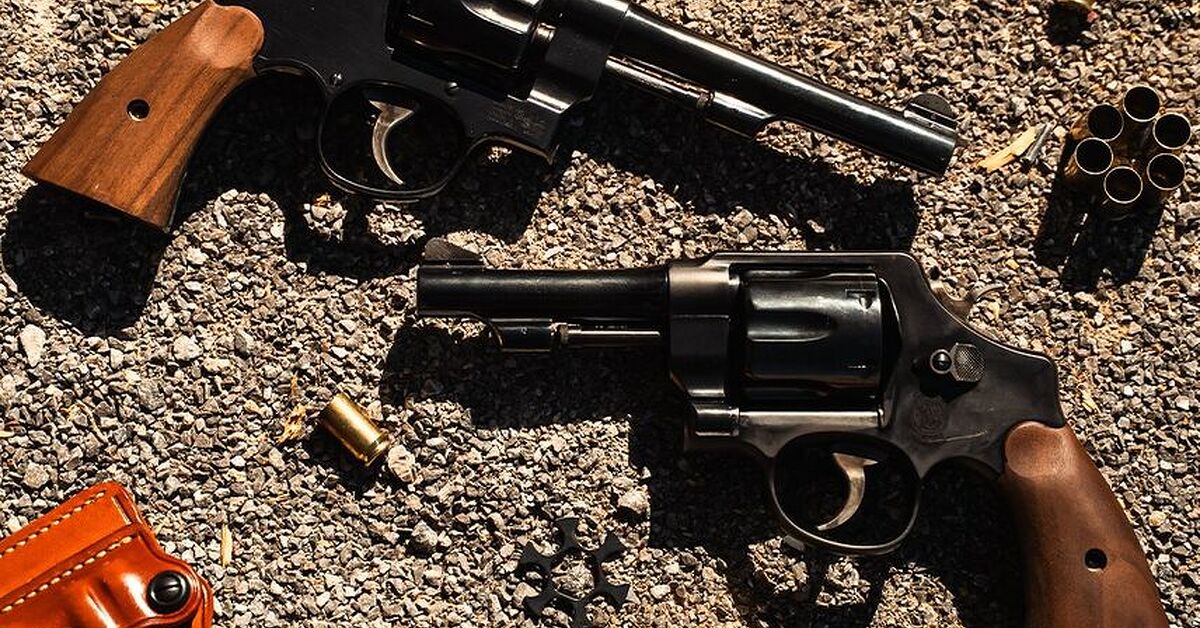
Smith & Wesson is shipping two new .45-caliber N-frame revolvers, the Model 1917 Classic and the Model 22 Classic, and both list at $1,299. They are available now. The release landed about two weeks after Ruger announced it would drop most of its revolver catalog. While one major maker retreats, S&W is doubling down on large-frame steel revolvers with a clear historical hook. The two guns share a frame and most internals. They split on barrel length, front sight, and which cartridges the cylinder accepts. Both are built for shooters who want a wartime design with modern dimensions and no internal lock.
Key Details
The specifications separate the two models more than the marketing does. Here is what each gun brings to the table:
- Model 1917 Classic: 5.5-inch barrel, half-moon front blade, fixed rear trench sight in the topstrap, smooth walnut grips, and a lanyard ring.
- 1917 cylinder: Takes three-round half-moon clips and modern full-moon clips. Five full-moon clips ship in the box.
- 1917 weight and size: 36.6 ounces, 11 inches overall. Chambered in .45 ACP only.
- Model 22 Classic: 4-inch barrel, 9.38 inches overall, 34.6 ounces. Black serrated ramp front sight replaces the half-moon blade.
- 22 cylinder: Runs .45 ACP in moon clips or .45 Colt loaded directly into the chambers.
- Shared specs: Blued carbon steel N-frame, fluted six-shot cylinder, double-action/single-action lockwork, and a 1:16 right-hand twist.
- No internal lock: Neither model carries one, which sets them apart from the 2007 Thunder Ranch Model 22 and the Classic-line 22-4 that followed it.
Both guns carry the same price. The Model 22 Classic offers the shorter barrel, the better front sight, and a second cartridge option. The 1917 offers the design lineage and the longer sight radius.
Background
The 1917 came out of a supply problem. When the United States entered World War I, M1911 production could not keep pace with the Army's rapid expansion. Ordnance turned to large-frame revolvers from Smith & Wesson and Colt, both chambered in .45 ACP. Because a revolver's rim does not headspace the way a semi-automatic's extractor does, the cartridges rode in half-moon clips, which gave the extractor something to grab. Smith & Wesson gave the postwar descendant the Model 22 designation in 1957.
Hollywood cemented the 4-inch silhouette in popular memory. Raiders of the Lost Ark used a pair of S&W revolvers on screen, and one of them was a 1917 in .45 ACP with its barrel cut to 4 inches. The Model 22 Classic borrows that profile directly.
Thunder Ranch's 2007 Model 22 added an internal lock to the lineage. S&W's new Classics drop that feature. The company's decision to omit the lock mirrors the approach it has taken with other heritage models, though the difference here is one of product intent, not a regulatory change.
Why It Matters for Gun Owners
Revolver buyers who want .45 ACP have few current options at this price point. The Model 22 Classic changes the math for shooters who want one gun that handles two cartridges. Moon clips make .45 ACP work in a revolver, but they add cost and loading time. A shooter who plans to run .45 ACP regularly should buy a supply of clips before the first range trip. Full-moon clips for the 1917 and the 22 use the same basic concept, but confirm fit with your specific clips before you shoot.
Buyers in handgun roster states such as California, Maryland, and New Jersey should check roster status before they buy. Roster rules change, and a gun that appears on a dealer's shelf is not automatically legal to purchase in every state. Dealers in those states often know the status of new releases within days of launch. Ask before you put down a deposit.
Revolver ownership also means watching ammunition. A .45 Colt cylinder accepts a different load than .45 ACP, and shooters must keep the two straight. Keep ammunition labeled and separated. Never assume a round fits because it looks similar on a shelf.
DownRange Analysis
These guns do not raise a Second Amendment question. Revolvers are firearms in common use, and a .45 double-action revolver sits squarely within the protected class of arms under Bruen. The legal test that matters here is state-level handgun rules, not federal constitutional doctrine. The real story is the market signal. Ruger trimmed its revolver line, and S&W answered with heritage steel and a $1,299 price tag. That is a bet that buyers still want American-made, blued, large-frame revolvers and will pay for them.
If you want one gun, buy the Model 22 Classic. The 4-inch barrel carries better on a belt, the serrated ramp shows its sights faster, and the .45 Colt option gives you a cartridge that most ACP-only guns cannot shoot. If you collect history, the 1917 is the gun to own. Check the trigger, timing, and cylinder gap on arrival, and run a full box of moon clips through the cylinder before you trust either gun with a defensive load.