Seven Daily Habits Separate Safe Carriers From Reckless Gun Owners
Holding a concealed carry permit marks the legal threshold, not the finish line. Responsible armed citizens understand that strapping on a handgun every morning requires more than choosing a reliable platform and muscle memory from range visits. The permit grants access to carry; discipline determines whether you're a liability or an asset in a critical moment.
Key Details
Responsible concealed carry hinges on seven foundational habits:
- Regular dry-fire and live-fire training beyond annual qualification
- Daily situational awareness and threat assessment in routine environments
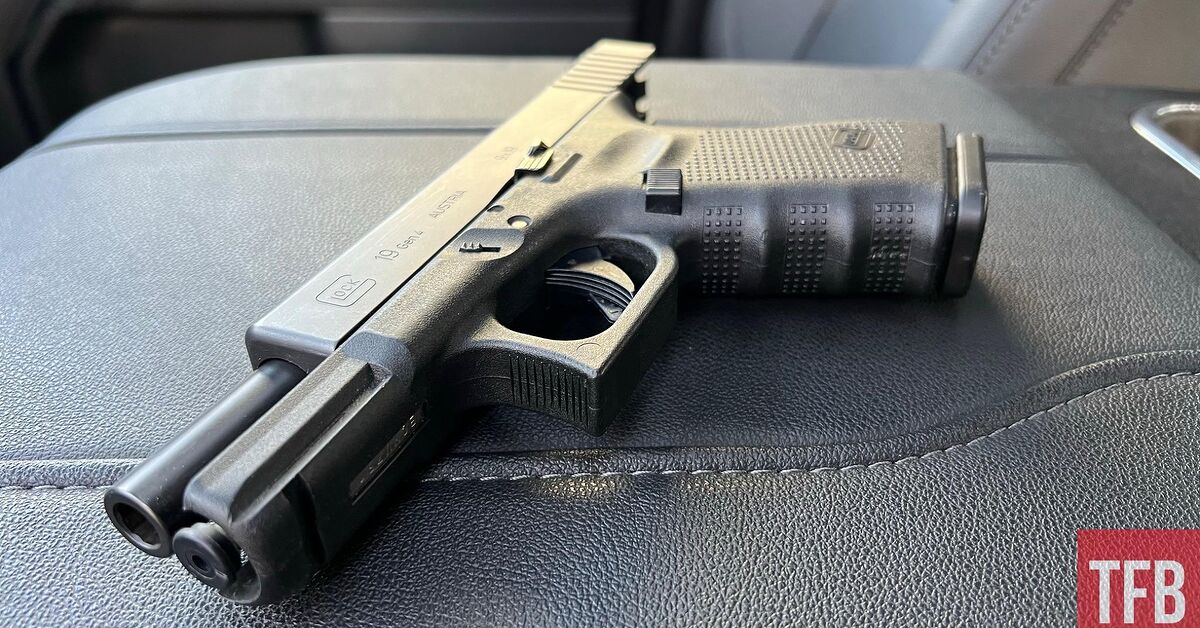
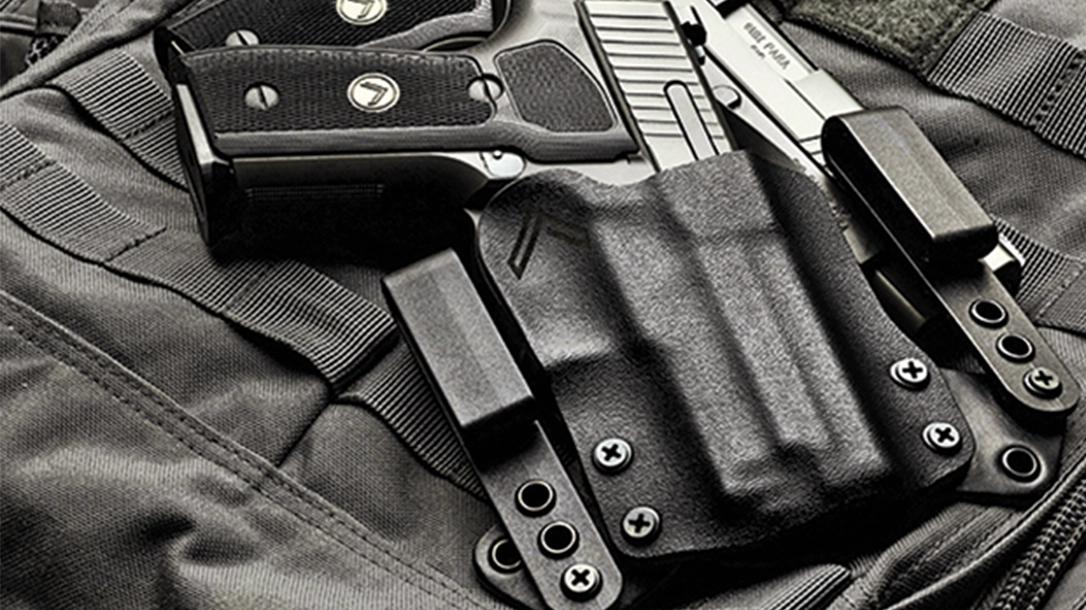
- Consistent holster selection and carry position to eliminate fumbling under stress
- Weapon retention and secure carry methods that prevent loss or unauthorized access
- Legal study of your state's self-defense statutes and shooting laws
- Mental preparation and scenario visualization before real incidents occur
- Ongoing education through advanced courses, not just initial certification
Why It Matters for Gun Owners
Your concealed carry permit is a government-issued credential; it's not a substitute for judgment. Most permitting states require minimal training—sometimes just a classroom hour—before issuing credentials. That floor doesn't define competence. If you draw under pressure, you'll fight at the speed of your worst training day. A negligent discharge in a parking lot or missed shots in a crowded space create immediate legal, criminal, and civil liability. States with constitutional carry eliminate the permit requirement entirely, which means some armed citizens carry with zero formal instruction. Whether you're in a permitting state or not, your habits determine whether you're protecting yourself or putting bystanders at risk. Legal costs for defensive shootings run $50,000 to $200,000 before trial. Your defensive habits matter to your family's financial security.
DownRange Analysis
The permit itself is meaningless if execution fails. Courts increasingly examine carrier behavior before and after the shot—your awareness, your reaction time, your follow-up performance. A poorly trained carrier who freezes under stress, shoots wildly, or fails to recognize a threat becomes a prosecution exhibit. Build redundant habits now: dry-fire daily, study your state law quarterly, and take advanced courses every 18 months minimum. The seven-habit framework identifies gaps most carriers ignore until they're explaining them to a detective. Your permit gets you in the game. Your habits win it.