Virginia Activist Rejects Supreme Court's Core Second Amendment Test
Andy Parker, a prominent Virginia gun control advocate whose daughter Alison Parker was shot and killed during a live television broadcast in Roanoke in 2015, has publicly stated that the Supreme Court's "common use" standard for evaluating firearm regulations should not drive gun policy decisions. Parker's daughter, a TV reporter, was murdered by former colleague Vester Lee Flanagan during a live news segment on August 26, 2015, along with videographer Adam Ward. Parker's rejection of the Court's standard reflects ongoing tension between gun control advocates and the legal framework established by the 2022 Bruen decision.
Key Details
Parker has emerged as one of Virginia's most recognizable figures in the gun control movement since his daughter's murder. The Bruen decision, issued in June 2022, established that firearm regulations must be consistent with historical tradition and the text of the Second Amendment—specifically addressing whether regulated arms are in "common use." Parker's position signals a fundamental disagreement with this constitutional test among some gun control organizations, suggesting they may pursue legislative approaches that conflict with current Supreme Court precedent.
Why It Matters for Gun Owners
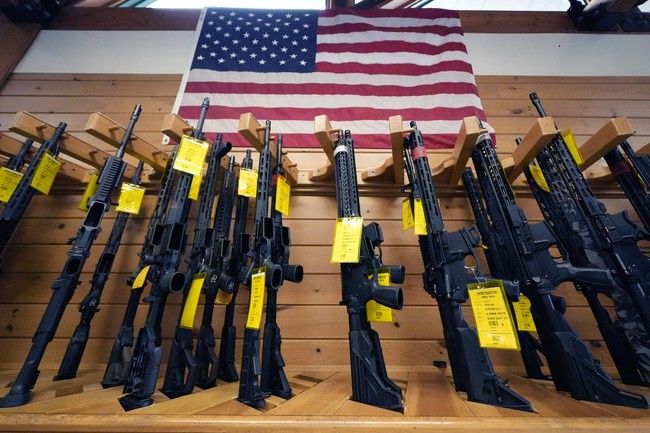
If gun control advocates actively dismiss the "common use" standard, expect litigation strategy to shift. Courts will face increased pressure to challenge Bruen's framework or reinterpret its boundaries. For gun owners, this means state-level bans targeting commonly owned firearms—AR-15s, standard-capacity magazines, common handgun models—will continue reaching federal courts. Virginia and other states may attempt to pass restrictions that technically comply with Bruen's historical-tradition language while effectively banning modern self-defense tools. Litigation costs will rise. Carriers and collectors in Virginia should monitor state legislative sessions closely, as Parker's activism influences Democratic-controlled districts where restrictive bills originate.
DownRange Analysis
Parker's public rejection of "common use" exposes the gun control movement's core problem: they disagree with the Supreme Court's constitutional standard but lack the votes to change it. This guarantees continued lower-court battles over what constitutes "common use" for AR-15s, standard magazines, and defensive calibers. Gun owners should document purchases and ownership numbers for self-defense firearms now. States like Virginia will likely test Bruen's limits with creative bans framed as "historical" regulations. The movement's open hostility to the Court's test makes future litigation outcomes unpredictable—which cuts both directions. Appeals courts may strengthen Bruen's protections or narrow them. Gun owners need legal funds ready and must vote defensively in state races where appellate court composition is determined.