ATF's Top Lawyer Quits Weeks After NFA Guidance Push
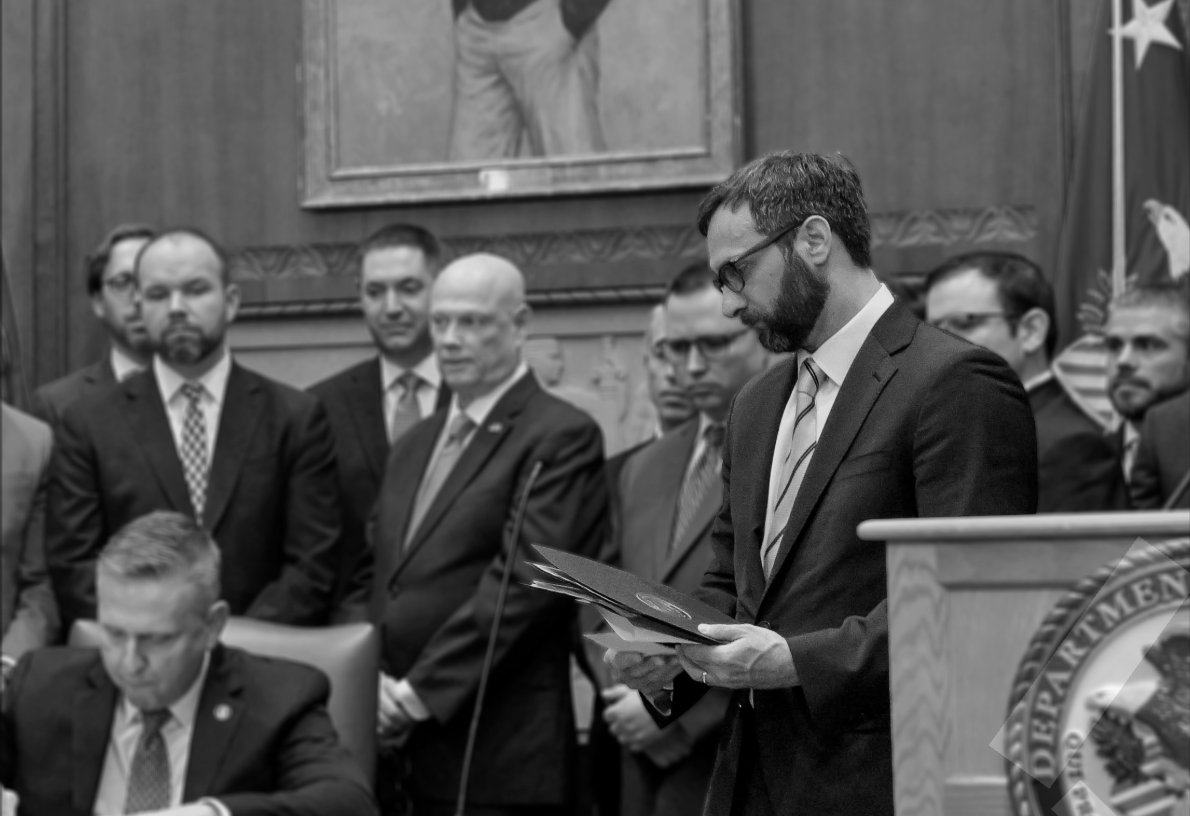
ATF Chief Counsel Robert Leider has resigned, and Director Robert Cekada has accepted the resignation. Leider is going back to the Antonin Scalia Law School at George Mason University, where he will serve as an Assistant Professor of Law. The announcement came in early November 2026. Neither man offered a reason beyond the move back to academia. The timing stands out. Leider and Cekada appeared together only weeks earlier to walk gun owners through the ATF's new guidance on the National Firearms Act. The man who spent nearly two years reworking Biden-era gun rules is now leaving the agency at a point where his NFA work is still unfinished.
Key Details
The facts are short, and most of them matter for what comes next.
- Resignation: Cekada announced on X that he accepted Leider's resignation, calling him a trusted advisor who led ATF's legal and policy work.
- New post: Leider returns to George Mason as an Assistant Professor of Law at the Antonin Scalia Law School.
- Appointment: Leider took the chief counsel job in March 2025, replacing Pamela Hicks. Attorney General Pam Bondi had removed Hicks on February 20, 2025.
- Rulemaking record: Leider supported nearly 40 proposed and final rules during his tenure.
- Zero tolerance: The DOJ and ATF dropped the 'zero tolerance' dealer policy and, in May 2025, replaced it with a case-by-case review standard.
- Pistol braces and 'engaged in the business': In April 2026, the agency proposed rescinding the 2023 pistol brace rule and much of the 2024 'engaged in the business' rule.
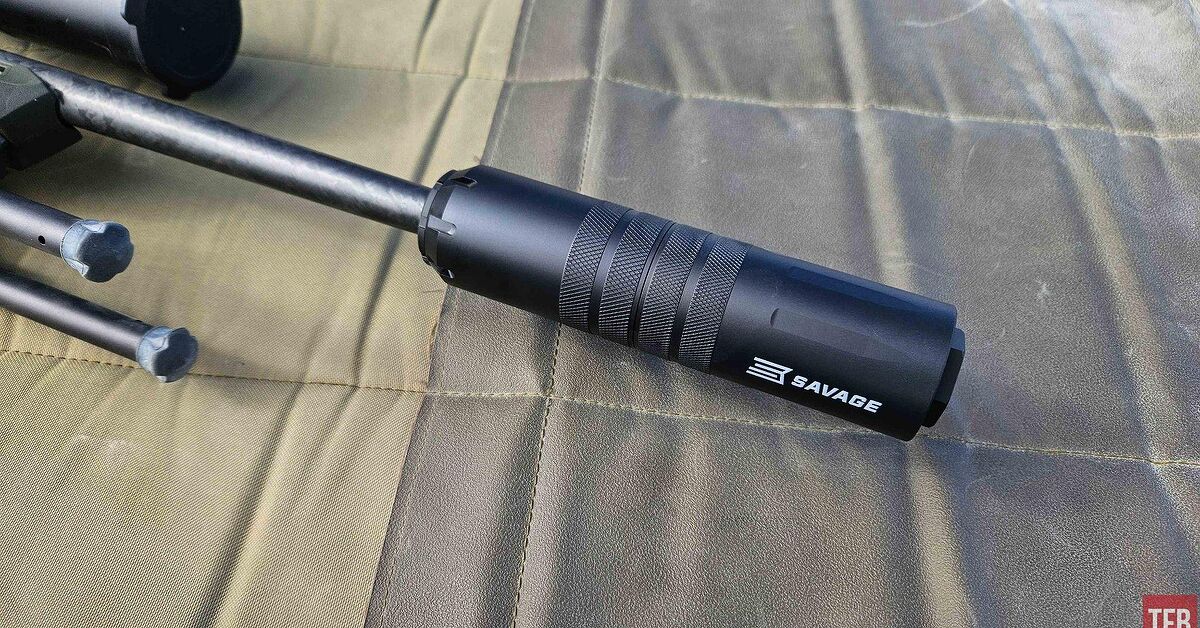
- NFA tax: The One Big Beautiful Bill Act cut the $200 making-and-transfer tax to $0, effective January 1, 2026. Leider helped craft the follow-on NFA guidance.
Background
Leider is a Second Amendment scholar with a serious paper trail. He clerked for Justice Clarence Thomas and for Seventh Circuit Judge Diane Sykes. He earned his law degree at Yale and a Ph.D. in philosophy from Georgetown. He wrote The Individual Right to Bear Arms for Common Defense. Before joining the agency, he argued in a December 2024 column for The Reload that gun advocates would gain more by reforming the ATF than by abolishing it. His reasoning was direct: federal firearms laws cannot be repealed by executive action, but they still hand the Attorney General significant power. That argument became his job description. Under his guidance, the agency worked through the Biden-era rulemaking that expanded federal regulatory reach over gun owners and dealers. The NFA changes sit on top of that work. Congress removed the $200 tax on suppressors, short-barreled rifles, and similar NFA items, but the paperwork and registration framework still needs agency-level cleanup. That is where Leider's guidance mattered.
Why It Matters for Gun Owners
If you own a suppressor, SBR, or SBS, the $0 tax changed your math on January 1, 2026. The ATF process did not change at the same speed. Eform filings, transfer timelines, and trust-versus-individual questions still depend on guidance from the chief counsel's office. Leider's exit leaves that pipeline with new hands. Dealers should watch for any shift in how the agency handles transfers and paperwork in the coming months. Owners with pending Form 4 or Form 1 submissions should check their status and keep copies of every receipt. Anyone who relies on the 2023 pistol brace rule or the 2024 'engaged in the business' rule should follow the April 2026 proposed rescissions closely. Those proposals are not final until the agency finishes the comment process and publishes the final rule. A new chief counsel could slow or reshape that outcome. Gun owners in states with their own NFA-related laws, including those that restrict suppressors or SBRs, should also track whether federal guidance shifts the baseline those state rules depend on.
DownRange Analysis
Leider leaves with the reform agenda mostly on paper, not in the Federal Register. That matters. Proposed rescissions are not repeal, and guidance is not statute. Under New York State Rifle & Pistol Association v. Bruen, the government must justify firearm regulations by pointing to the nation's historical tradition of firearm regulation. An agency that rewrites its own rules has no shortcut around that test. The NFA itself faces litigation over whether a zero-dollar tax still supports a registration scheme, and that question will not vanish with a personnel change. Market-wise, the $0 tax already drove demand for suppressors and SBRs, and dealers are still processing that backlog. Here is what a gun owner should do right now. Keep your NFA paperwork organized. Confirm your eForm status. Read the proposed pistol brace and 'engaged in the business' rescissions and submit comments if you have a stake. Do not assume the next chief counsel will continue the same direction. The rules on the books still control your rights until a court or Congress says otherwise.