ATF Maintains 1.4 Billion Dealer Record Pages in Federal Database
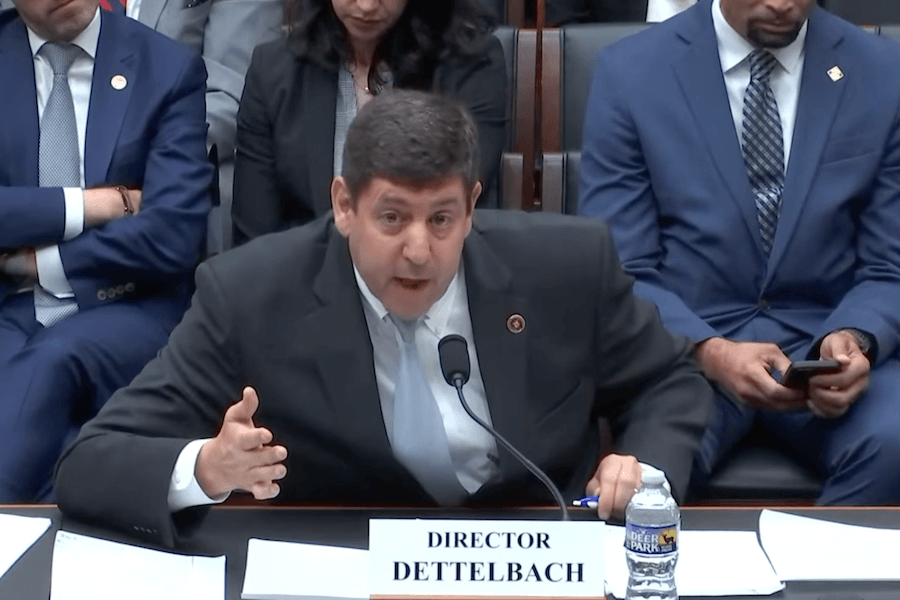
The ATF confirmed to Congress that it currently holds more than 1.4 billion pages and images sourced from firearm dealers that have ceased operations. The disclosure marks the first official accounting of the scope of dealer record consolidation under federal authority, raising questions about how long records are retained and who accesses them.
Key Details
- The 1.4 billion page archive comes exclusively from closed dealers, not active FFLs
- Congressional inquiry prompted the official count, suggesting legislators are tracking ATF record practices
- No timeline provided for when records are purged or made unavailable to law enforcement
- The database represents decades of transaction data spanning multiple administrations
Why It Matters for Gun Owners
This stockpile exists because federal law requires dealers to surrender records when they close. Gun owners who purchased from now-defunct dealers have their transaction history—buyer details, firearm descriptions, serial numbers, dates—permanently archived in an ATF database. There's no automatic expiration date. Law enforcement can query these records in criminal investigations, and the sheer volume means systematic searches are theoretically possible. If your dealer closed down, your paperwork is in that 1.4 billion-page pile. No warrant requirement exists for historical dealer records under current law. Understanding where your purchase data sits matters, especially if you've moved states or sold firearms privately since then.
DownRange Analysis
The ATF's 1.4 billion-page database is functionally a national firearm registry built through the back door. While dealers legally must surrender records upon closure, the permanent federal retention and searchability of this data transforms it into something the Second Amendment community has consistently opposed: a centralized government record of who owns what. Courts haven't yet ruled whether retaining closed-dealer records indefinitely violates Fourth Amendment privacy rights or exceeds ATF statutory authority. Congressional awareness of this archive suggests pressure for either transparency rules or retention limits. Gun owners should assume their dealer records exist in federal custody indefinitely. The practical risk increases if you've purchased multiple firearms, moved frequently, or bought from dealers in states with hostile legislatures—those records can resurface during investigations unrelated to your purchase.