Winchester Deer Season XP Takes Top Groups in 6.5 Creedmoor Whitetail Test
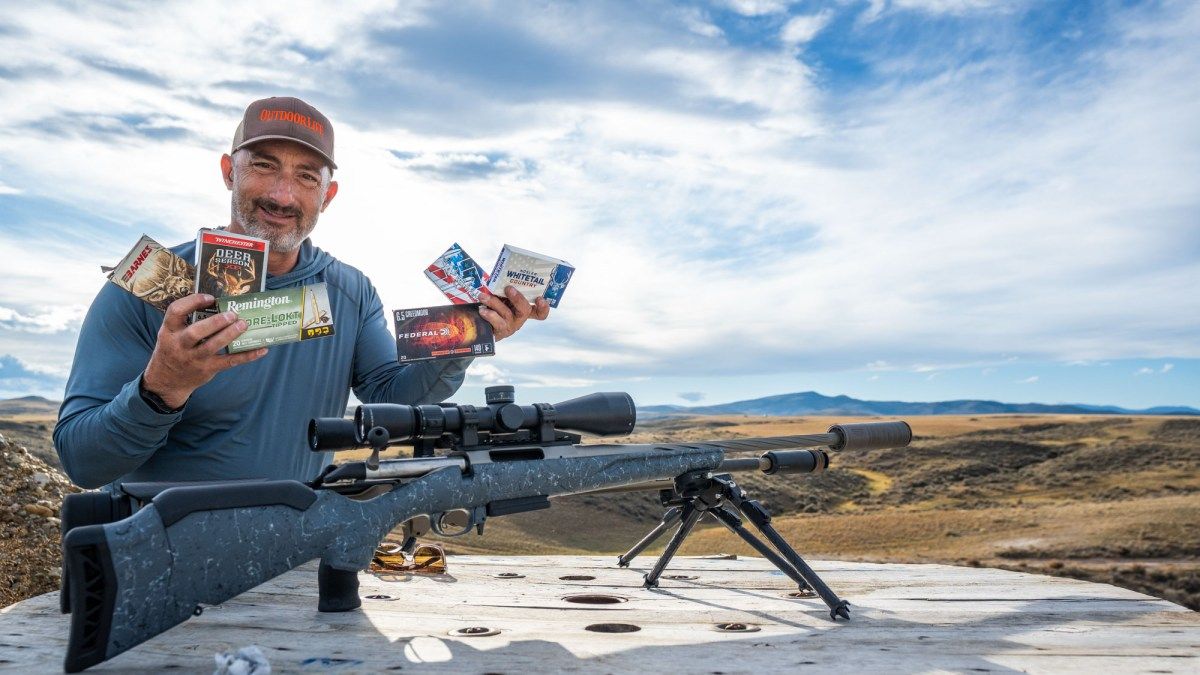
Winchester's Deer Season XP shot the tightest average groups in a six-load whitetail test chambered in 6.5 Creedmoor. It averaged 0.700 inches across a Seekins SIC Short Action and a Ruger American Rifle Gen II. Barnes Harvest followed at 0.704 inches, a margin too small to matter in the field. Federal's 140-grain Fusion Tipped averaged 0.989 inches and landed at the back of the precision results. Outdoor Life Guns published the test on November 5, 2026, and the outlet discloses that it earns affiliate revenue from some linked products.
Key Details
The test pitted six popular whitetail loads against each other, all chambered in 6.5 Creedmoor. The tester judged accuracy, feeding and cycling reliability, and velocity consistency. Each load ran through two rifles, 20 rounds per rifle, for 40 rounds per load.
- Seekins SIC Short Action: a high-end precision rifle the tester has used for a year. The public release is slated for 2027.
- Ruger American Rifle Gen II: a budget-friendly hunting rifle that earned an Editor's Choice in the outlet's annual gun test at its debut.
- Accuracy method: four 5-shot groups per rifle-and-load combination, averaged into a combined figure across both rifles.
- Velocity method: a Garmin Xero C2 Chronograph captured 20 shots per combination, with extreme spread and standard deviation calculated from that data.
- Winchester Deer Season XP: 0.652 inches in the Seekins, 0.749 inches in the Ruger, about $35 per 20-round box. Retailers were hard to find with stock at publication.
- Barnes Harvest Collection: 0.704 inches combined, about $40 per box. Barnes loads Sierra's Tipped Game King bullet in its own brass, and the line debuted in April 2025.
- Federal Fusion Tipped 140-grain: 0.784 inches in the Seekins, 1.194 inches in the Ruger, and $46 to $50 per box. Velocity data for this load came from 30 shots.
- Remington Core-Lokt Tipped: mixed results, which the tester called a cautionary example for hunters choosing ammunition.
- Nosler Whitetail Country and Hornady American Whitetail: rated solid across the board.
For standard deviation, the tester considers any 20-shot figure in the teens very good for factory ammunition. Values in the 20s are acceptable for center-of-mass deer loads.
Background
The 6.5 Creedmoor became the default big-game cartridge over the last two decades. Its light recoil, long-range inherent accuracy, and wide availability drove that rise. Hunters from the Southeast to Alaska now find it on store shelves, which is why a whitetail test built around it reaches a large audience.
Barnes and Sierra merged in 2020, and the combined company used that partnership to build the Harvest Collection. The lineup puts Sierra's tipped bullet design into Barnes cases made on machinery known for tight tolerances. Barnes-made ammunition has long carried a reputation for consistent performance in hunting loads.
Federal's Fusion bullet sits between conventional cup-and-core construction and fully bonded designs. It holds more weight than a standard non-bonded bullet and costs less to produce than a chemically bonded projectile. Hunters have used it on whitetail, mule deer, antelope, and elk for years.
Remington's Core-Lokt line dates back decades and remains one of the most common hunting bullets on the market. Nosler's Partition and Ballistic Tip bullets built that company's reputation for controlled expansion. The company's Solid Base bullet never reached the same popularity.
Why It Matters for Gun Owners
Hunters who shoot 6.5 Creedmoor and plan to take whitetail should pay attention to these numbers. A load that groups under an inch from a budget rifle is accurate enough for ethical shot placement at normal deer distances. The gap between the best and worst loads here, from 0.700 inches to nearly 1.2 inches in the Ruger, shows that the rifle and ammunition must match. Ammunition that shoots well in one gun can open up in another.
Availability matters too. Winchester's Deer Season XP is hard to find in stock right now. Hunters who plan to buy ahead of a season should check several retailers and confirm specific load names before ordering. The 125-grain version of the Deer Season XP was not tested, so buyers should not assume it matches the 140-grain results.
Price separates the field. Fusion Tipped runs $46 to $50 per box in this test, while Deer Season XP sits around $35. Federal's traditional Fusion line costs a few dollars less per box and may suit hunters who want the bullet design without the premium price.
Before the season, hunters should run their chosen load through their own rifle, at least four five-shot groups, and check for feeding issues in the magazine. A load that works in a friend's rifle may not work in yours.
DownRange Analysis
The bench numbers here reward careful shooters, not marketing claims. Accuracy below 0.75 inches in a hunting rifle is a strong result, and the top two loads pass that test in both rifles. The Remington Core-Lokt Tipped's inconsistent results matter more than its average. A hunter who discovers a flier at the bench before the season saves a deer and a bad day.
Test sample sizes stay small. Four five-shot groups per rifle is a useful screen, not a final verdict. Velocity spread and standard deviation tell a different story from groups, and a hunter should weigh both. The author's notes on the Barnes load shooting 0.491-inch groups in a different rifle show how much the rifle affects results.
Gun owners should buy one box of the top performer, shoot it in their own rifle, and compare it with a cheaper option before stocking up. Watch for restocks of Deer Season XP, since it leads on paper. Keep a log of group sizes and velocities for each rifle. The cheapest box that groups well in your rifle is the right box.