OTF Knives Stage Comeback — Quality Gap Separates Winners From Junk
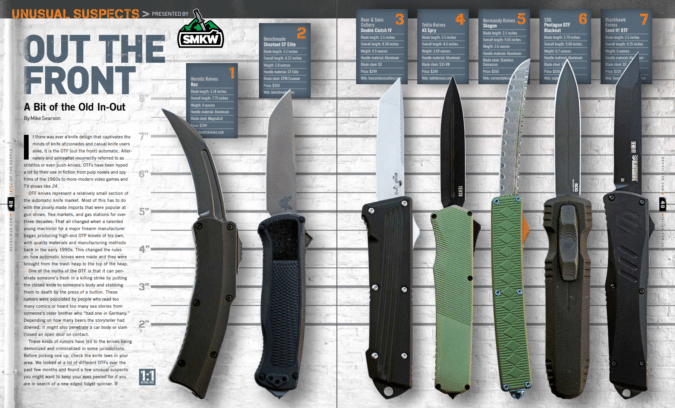
Out-the-front knives have returned to prominence among EDC carriers and tactical users, but the spread between a quality blade and a failure-prone knockoff remains substantial. Recoil Magazine tested multiple OTF offerings to identify which production models earn carry rotation and which belong in a junk drawer. The verdict: design and execution matter more than brand recognition alone.
Key Details
OTF knife designs are not interchangeable. The mechanical complexity of out-the-front deployment—spring tension, slide geometry, firing pin reliability—creates wide performance windows. A well-engineered OTF functions smoothly under one-handed operation and deploys with consistent force; a poorly manufactured competitor sticks, misfires, or requires double-strikes to engage fully. Recoil identified multiple production models across different price points and manufacturers, testing each for deployment speed, blade lock security, and durability under repeated use cycles.
Why It Matters for Gun Owners
OTF knives serve a specific tactical function unavailable from traditional folders or fixed blades. One-handed deployment at speed matters during active situations where your firing hand is occupied or your support hand is managing another task—medical response, vehicle exit, or barrier engagement. Knife laws vary by state; OTF ownership is legal in most jurisdictions, though some cities restrict carry. A reliable OTF demands mechanical precision that budget clones cannot deliver. If you carry a knife as a backup blade or force multiplier, a proven design outlasts cheap alternatives by years and performs when required.
DownRange Analysis
The OTF knife resurgence reflects renewed interest in mechanical reliability over smartphone-era convenience culture. A well-designed out-the-front blade costs $80–$200, a modest investment for a tool that operates independently of batteries or software. Recoil's testing methodology emphasizes real-world durability rather than marketing claims. Gun owners evaluating secondary blades should weight Recoil's recommendations against their specific carry environment—urban, vehicle, outdoor, or duty use each demands different blade length and deployment speed. Skip the mall ninja budget lines; invest once in a tested model and verify your state and local restrictions before purchase.