Broward Schools Deploy Armed Drones to Counter Active Shooter Threats
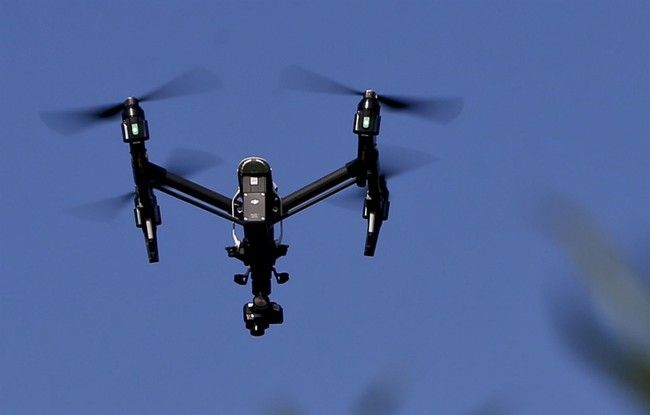
Broward County Schools is deploying drone technology as part of its active shooter response strategy in the wake of the 2018 Parkland shooting that killed 17 students and staff. The district is turning to unmanned aerial systems to provide real-time surveillance and situational awareness during armed threats on campus grounds.
Key Details
The Parkland shooting remains one of the most high-profile mass casualty events at an American school. That incident sparked significant anti-gun activism and media attention focused on gun control advocacy. Broward County's response now centers on technological intervention rather than traditional armed security expansion or controlled access hardening. The drone deployment represents a shift toward remote surveillance capabilities during active threats.
Why It Matters for Gun Owners
School security strategy directly impacts debates over armed response times and defensive positioning. Gun owners advocating for armed school resource officers and trained staff have long argued that immediate armed response stops threats faster than external emergency response. Drone deployment raises questions about response delay—drones provide eyes but not the armed presence needed to neutralize an active threat in real time. For Florida gun owners, this reflects the broader national conversation about school hardening versus reactive surveillance technology. Parents carrying concealed pistols may reasonably ask whether drones detect and stop threats faster than armed teachers or administrators positioned throughout campus during the critical first minutes of an incident.
DownRange Analysis
Technology cannot replace armed response. Drones excel at reconnaissance but cannot engage a shooter. Broward's approach prioritizes information gathering over defensive firepower, a choice that leaves the actual armed response dependent on law enforcement arrival times. For comparison, Uvalde and Parkland both demonstrated that response lag in the initial minutes costs lives. Gun owners should recognize this as confirmation that technological solutions alone fail without immediate armed defense on-site. The real question for Florida schools isn't whether drones help—they do—but whether they substitute for armed staff who can actually stop threats. That's a gap worth watching.