NICS Checks Top 1.4 Million in October as Gun Buying Climbs 7.9%
Gun buyers pushed NSSF-adjusted NICS checks to 1,403,422 in October 2026, up 7.9% from 1,299,312 in October 2025. The number also sits 251,345 above September's total. That keeps the monthly streak of more than one million background checks alive for 15 straight months. The National Shooting Sports Foundation released the figures in early November, and the trade group ties the spike to buyers reacting to gun-control proposals and the upcoming midterm elections. The raw FBI count tells a different story. It came in at 2,104,063, an 8.1% drop from 2,289,774 in October 2025, so the headline number depends entirely on which dataset you read.
Key Details
The NSSF adjusts the FBI's raw NICS figures to strip out transactions that don't reflect retail gun sales. Here are the numbers that matter:
- October 2026 adjusted total: 1,403,422 checks
- October 2025 adjusted total: 1,299,312 checks
- Month-over-month gain: 251,345 checks above September 2026
- Year-over-year change (adjusted): up 7.9%
- October 2026 unadjusted FBI total: 2,104,063 checks
- October 2025 unadjusted FBI total: 2,289,774 checks, so the raw figure fell 8.1%
The top five states for overall adjusted checks were Texas, Florida, California, Pennsylvania and Virginia. Florida led handgun checks, followed by Texas, Pennsylvania, California and Tennessee. On the long gun side, Texas topped the list, followed by Pennsylvania, Florida, California and Wisconsin.
NSSF Managing Director of Public Affairs Mark Oliva said gun owners are "voting with their wallets" while Americans head to the polls. He framed the 7.9% gain as proof that buyers reject what he called unconstitutional gun control. The trade group says it will push the next Congress and state legislatures to protect the freedom to buy firearms.
The NSSF also points out the limits of its own data. A background check is not a firearm sale. Checks can be run for transfers that never become sales, and one check does not equal one gun. Twenty-eight states have at least one qualified alternative permit under the Brady Act. Holders of those permits can buy from licensed dealers without a fresh NICS check, and those transfers stay out of the state counts. The actual number of guns changing hands is almost certainly higher.
Background
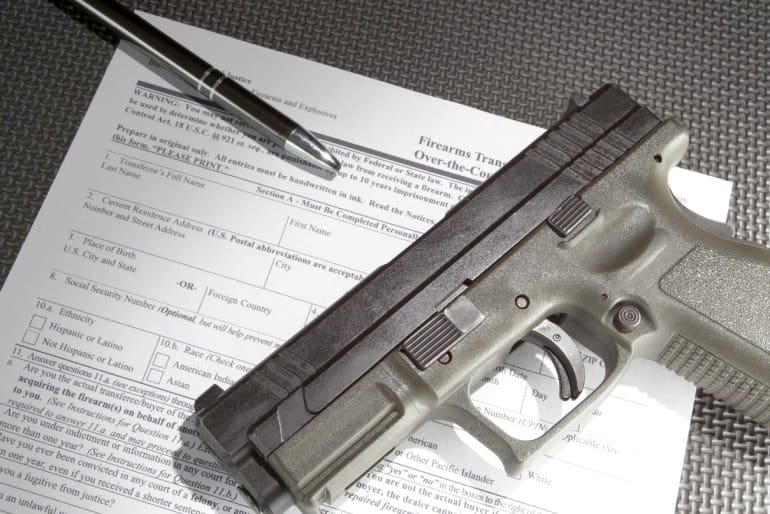
The National Instant Criminal Background Check System came out of the Brady Handgun Violence Prevention Act of 1993. NICS went live on November 30, 1998, and it gave licensed dealers a way to query federal and state records before a sale. The FBI runs the system, and it reports monthly totals that the industry, the press and policy analysts all track.
Those monthly totals have stayed high for years. The surge that began in March 2020 pushed annual checks into the tens of millions, and buying stayed elevated through the following years, well above pre-pandemic norms. Demand has since cooled from those peaks, which makes the current run of more than one million checks a month notable. Analysts often point to political triggers as a source of buying waves. Concerns about new restrictions, or the expectation that a particular party will gain or lose power, have historically pulled buyers into dealer showrooms. The NSSF attributes part of the October jump to exactly that dynamic ahead of the midterms.
Why It Matters for Gun Owners
If you own guns, this report has a few practical implications. First, the 15-month streak tells you the retail market remains deep. Dealers are moving product, and you will find more stock and less pressure on used-gun prices than you saw during the 2020 shortage. Second, the gap between adjusted and raw FBI figures should make you skeptical of any headline that quotes only one number. Read the methodology before you repeat the percentage in a forum or a debate.
Third, the state rankings matter for anyone planning a move or a trip. Texas, Florida and Pennsylvania show up repeatedly at the top. Those states carry heavy volume, which usually means fast transfers and wide selection. California also ranks near the top, and buyers there still face a layered set of handgun roster and dealer requirements. If you live in a permit-to-purchase or alternative-permit state, remember that your permit can let you skip a dealer check, but only if you keep that permit current and carry it when you buy.
Finally, watch the next Congress. The NSSF has said it will press lawmakers to protect buying rights. Any federal or state proposal that changes background check rules, adds waiting periods or expands the NICS data trail will land on the same counters these numbers measure. Track the bills, not just the monthly totals.
DownRange Analysis
A 7.9% gain looks strong, but the raw FBI number fell 8.1%. Gun owners should treat the adjusted figure as a trade-group metric, not a neutral census. The NSSF has a clear interest in showing growth, and its adjustments are sensible, but the gap between the two datasets is a reminder to check both. The honest reading is that the market is busy, not that it is booming across the board.
The midterm explanation also deserves a skeptical look. Election-year fear has driven buying before, and it may be part of the story here. Still, one month of data cannot prove why people walked into shops. Watch whether the streak holds through the next quarter. If checks stay above one million after the votes are counted, the buying is structural, not a one-time scare.
What should you do right now? If you need a firearm for defense, buy from a dealer you trust and keep your paperwork clean. If you are a permit holder in an alternative-permit state, confirm the permit's status before you walk in. If you are not in the market, use this moment to review your own storage, training and carry gear rather than chasing whatever sells out next. The next Congress will decide what buying looks like in 2027, and the time to make your voice heard is before the bills get written.