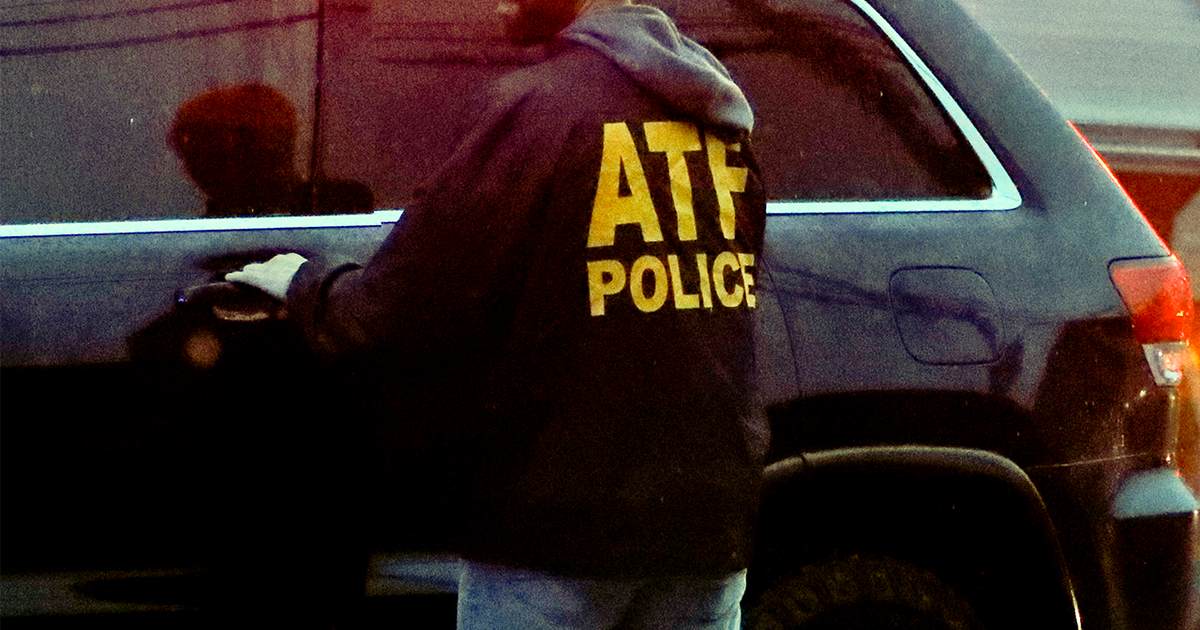
Ammo Background Checks Didn't Stop Gang Gunfire on FBI Agents
Members of a San Diego County street gang allegedly opened fire on FBI agents just after 6 a.m. Wednesday, and California's ammunition background check did nothing to stop it. The agents were moving on what the New York Post described as an alleged Mexican Mafia-connected drug operation. The agents identified themselves before the shooting began. Gunfire followed, and a brief exchange of shots broke out. The Department of Justice says the investigation produced 42 indictments against alleged members and associates of several county street gangs. The shooters were not cartel financiers or arms traffickers. They were street-level gang members, and they allegedly had both guns and ammunition.
Key Details
The facts that matter here are simple and specific:
- Timing: Agents came under fire Wednesday, just after 6 a.m.
- Location: San Diego County, California.
- Target of the operation: An alleged Mexican Mafia-connected drug network, as described by the New York Post.
- Charging figure: The Department of Justice announced 42 indictments.
- Named group: The DOJ specifically named Varrio Hidden Hills, a Poway gang the agency described as increasingly violent and sophisticated.
- Sequence: Agents identified themselves, the suspects fired, and a short exchange of gunfire followed.
Nothing in the public account points to exotic supply chains. The DOJ framed the defendants as members and associates of local gangs. Allegedly, those people obtained firearms and ammunition in a state that requires a background check on every ammunition sale. Those two facts sit side by side, and that is the story.
Background
California's ammunition background check traces back to Proposition 63, which voters approved in 2016. The measure required a background check for nearly every ammunition purchase, and the state built a point-of-sale system through licensed ammunition vendors. Enforcement started in July 2019. Buyers must pass a check through the Department of Justice system before a vendor can release their rounds, and the rule applies to most retail sales in the state.
The law did not stand unchallenged. In July 2025, U.S. District Judge Roger Benitez, sitting in the Southern District of California, ruled that the ammunition background check violated the Second Amendment. He applied the Supreme Court's test from New York State Rifle & Pistol Association v. Bruen, which requires the government to show a historical tradition supporting a modern firearm regulation. The state appealed. Meanwhile, California's ghost gun statutes, aimed at unserialized homemade firearms and kits, remain on the books and remain in litigation. Those laws target a problem that the state has treated as a priority for years.
Why It Matters for Gun Owners
Every California resident who buys ammunition feels this law directly. You must pass a state check to buy rounds, and that check keeps a record of your purchases. Vendors handle the process, and most people never think about it again. Out-of-state buyers face the same requirement when they buy ammo in California, so travelers should check the rules before they stock up.
The Wednesday case also gives gun owners a practical lesson about what these laws actually control. A background check screens the buyer at the counter. It does not track who hands the rounds to someone else afterward. Ammunition carries no serial number, so a legal buyer can transfer rounds to a prohibited person and leave almost no trail. If you own ammo in California, keep your own purchase records and never transfer rounds to someone you have not vetted. Watch for the state's next move on ammunition reporting, since the debate over what the state should track is far from over.
DownRange Analysis
Under Bruen, the ammunition check has a serious problem. The founding generation did not require anyone to clear a state database before buying powder and lead. Sellers in the 1790s did not record buyers' identities for the government. California has to point to a historical analogue, and the record is thin. Judge Benitez found exactly that gap, and the Ninth Circuit will decide whether he was right.
The shooting in San Diego cuts against the state's core justification. Supporters argue that background checks keep guns and ammunition away from violent people. This case involved alleged violent people who obtained both anyway. A gun owner should not accept the claim that the law worked simply because nobody checked the paperwork afterward. Right now, the smart move is to know your rights, document your purchases, and follow the Ninth Circuit ruling closely. Sacramento will not repeal these rules on its own, so pressure has to come from courtrooms and from voters.