The 1951 FN Mauser: A Forgotten Deer Rifle With Custom-Grade Fit
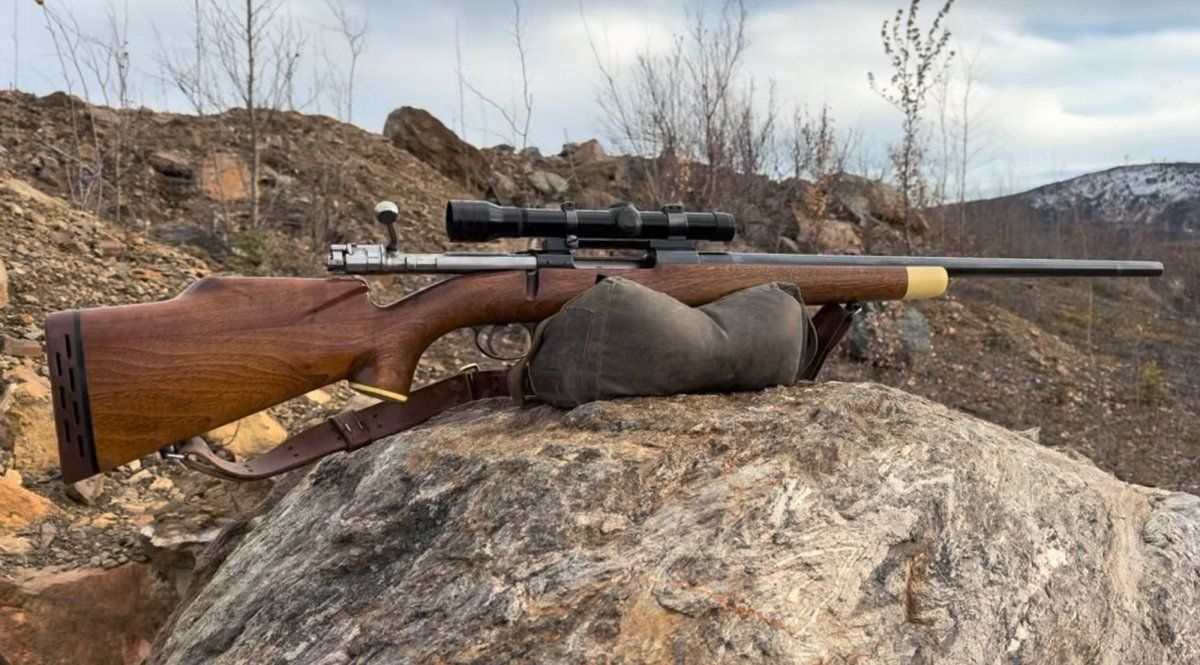
An 1951 FN Mauser sporter in .270 Win. just got a hard look from a writer at Outdoor Life Guns, and the verdict is that Belgium built a deer rifle that modern factories struggle to match. The rifle belonged to the writer's great-grandfather, who used it on mule deer and elk in Colorado. Its matching 2837 serial numbers on the barrel and receiver tie it to a single factory run. The gun has a 22-inch barrel, a Redfield mount, a Bear Cub 2 ¾-power scope, and a Canjar trigger that breaks at 3 pounds, 7 ounces. Few rifles from that era came with this level of metal-to-wood fit, and fewer still stayed this well preserved.
Key Details
The writer documented the rifle's specifications and the advertising that sold similar guns in the early 1950s. The facts below come from that account and from the period ads it cites.
- Chambering: .270 Win.
- Date stamp: 1951, on the barrel and receiver
- Importer: Firearms International Corp., marked on the receivers
- Barrel: 22 inches, believed cut from 24 and re-crowned; muzzle diameter of .635 inches
- Overall weight: roughly 9.5 pounds
- Trigger: Canjar, set to break at 3 lb, 7 oz
- Optic: Redfield one-piece mount with a Bear Cub 2 ¾-power scope and post reticle
- Floorplate: detachable, retained by a spring-loaded rear button and a front lip
- Retail, November 1951: JC Higgins Model 50 at Sears, Roebuck, with a 2.5-power scope, $135
- Retail, September 1952: .30-06 and .270 FN Mausers in a Parker-Whelen catalog ad, $137.50 without a receiver-mounted rear sight, with a rear sight adding $10
- Accuracy test: four five-shot groups per load across several contemporary .270 loads, averaged rather than combined because the vintage scope limited results
Background
Paul Mauser's bolt action design dates to the 1890s, and the 98 pattern became the basis for many of the world's sporting rifles. After World War II, American hunters had plenty of surplus to work with. Most of them sporterized military rifles, either 1903 Springfields or leftover Mausers. FN Herstal in Belgium took a different route. It produced Mauser-pattern rifles built from the start as sporting guns, not converted military stock. Those rifles reached American buyers through importers and retail channels that included Sears and Weatherby, along with Harrington & Richardson and Colt, according to the account.
Demand for American hunting rifles ran high in the postwar decades. Winchester's Model 70 became the benchmark, and the company's pre-1964 production remains the model collectors chase most. Winchester changed its production methods in 1964, and many shooters still treat the older guns as the high-water mark. The FN Mausers never got that kind of attention. They were sold widely, then faded from the conversation. Barreled actions also went out the door and ended up in custom builds, which explains why no two surviving examples match exactly.
Why It Matters for Gun Owners
If you inherited a bolt gun from the 1950s, this story tells you what to check. Start with the markings. Matching serials on the barrel, receiver, and bolt confirm the rifle left the factory as a unit. Mismatched numbers point to a rebarrel, a rebuild, or a barreled action fitted later. Check the receiver for the importer mark. Firearms International Corp. stamping adds provenance that buyers and appraisers look for. Then check the barrel. A cut-down barrel with a new crown changes the velocity profile and the balance, and a good gunsmith can tell you whether the crown is sound.
Do not shoot a 70-year-old rifle with modern high-pressure loads until someone measures it. Bolt lug wear, headspace, and bore condition all matter. A pitted safety or a corroded trigger group needs attention before the rifle goes back into the field. Keep the optic in mind too. Vintage scopes with post reticles still work, but their limits show up on a target. The writer's accuracy testing ran into exactly that problem. Use a magnification and reticle you can actually read at distance, and test the rifle at the bench before you hunt with it.
DownRange Analysis
This piece is a history and product review, not a legal story, so Bruen does not factor in. No statute or court ruling is at issue. The lesson for owners is about craftsmanship and the value of a sound older rifle. A bolt action with precise metal-to-wood fit, a quality trigger, and matching numbers still beats many factory guns sold today. Pillar bedding and tight tolerances cost money to produce, and most modern production rifles skip them.
The market implication is simple. Clean, original FN Mausers with documentation are worth tracking. Collectors and hunters who want a classic bolt gun without paying Pre-64 Model 70 money should watch for them. Before you buy one, get a bore check, a headspace gauge reading, and a look at the bolt lugs from a qualified gunsmith. If you already own one, inspect it this week. Clean the bore, check the pitting on the safety, and confirm the scope mount is tight. Then take it to the range before deer season and find out what the rifle still does.