Empty Chamber Carry Remains Controversial Among American Gun Owners
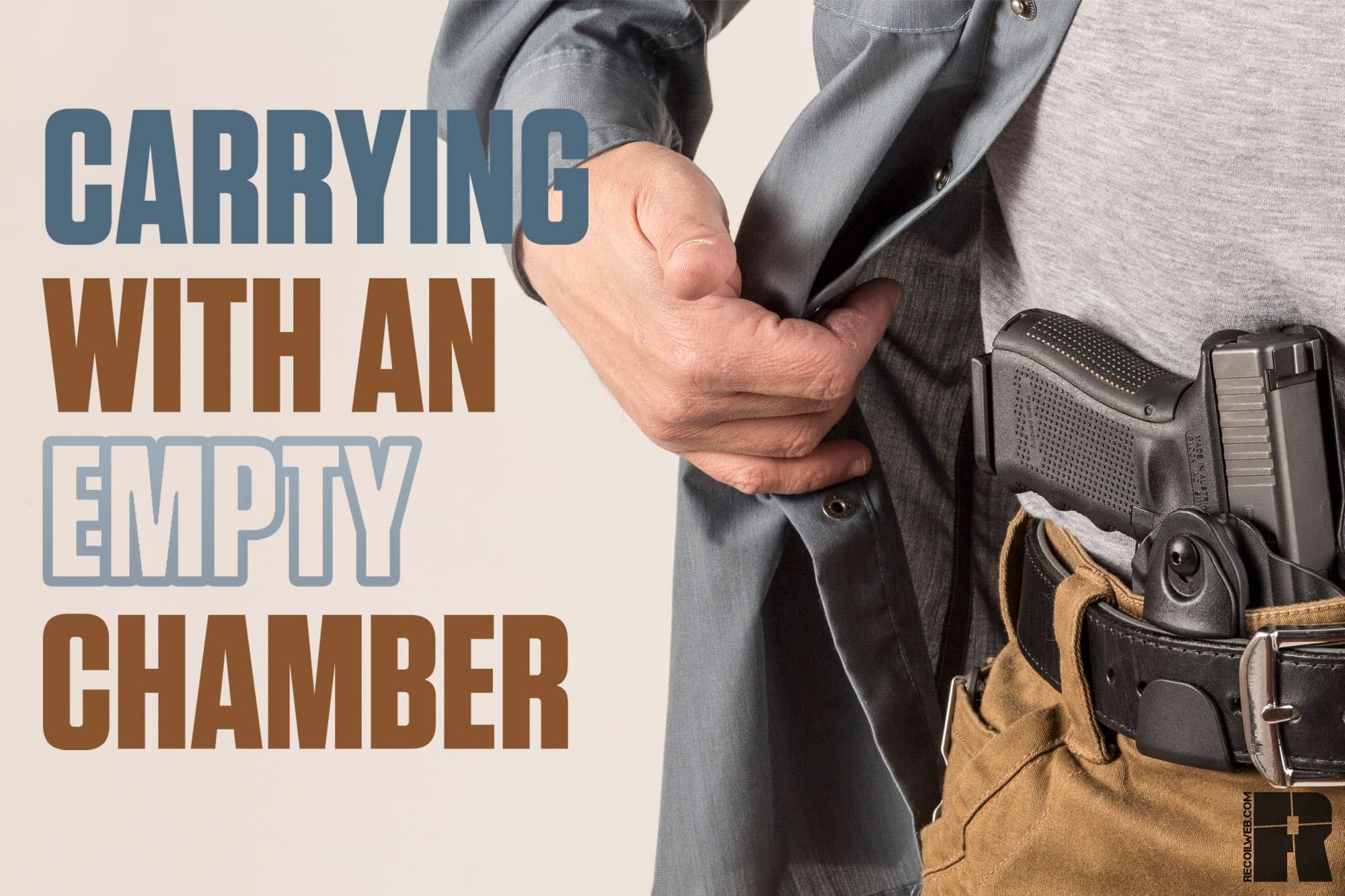
Israeli carry—a loaded magazine with an empty chamber—splits the defensive shooting community. Shooters practicing this method keep a round chambered only when they perceive an immediate threat. The technique traces back to Israeli military doctrine and remains debated in forums, training classes, and ranges nationwide.
The core question persists: is one additional step to chamber a round acceptable in a self-defense scenario, or does it cost critical seconds? Experienced carriers argue both sides with conviction. Neither position is wrong for every person. Context, training, and individual circumstances matter.
Why It Matters for Gun Owners
This debate directly impacts your daily carry decision. Most modern concealed carriers keep a round in the chamber. Police and military standards favor ready status. However, some gun owners—particularly those with young children at home—choose Israeli carry for safety reasons.
The tradeoff is real. Chambering takes roughly one second under stress. Can you afford that second? Will your fine motor skills function reliably during an adrenaline spike? These questions have no universal answer.
Safety considerations differ based on lifestyle. Parents with toddlers may view the extra step as essential insurance against unintended discharge during unauthorized handling. Solo carriers in low-crime areas may feel the chamber-empty method adds unnecessary delay with minimal safety gain.
Training changes everything. An operator who practices chambering from empty hundreds of times performs the action faster and more reliably than someone who practices it rarely. The technique becomes automatic muscle memory under pressure.
Your state's legal landscape matters too. Some jurisdictions view carrying with an empty chamber differently in self-defense cases. Prosecutors sometimes argue that empty-chamber carry indicates the shooter didn't perceive imminent danger—a claim that could undermine your justification defense. Check your state's statute and consult local legal experts before making this choice permanent.
Background on Israeli Carry
Israeli security forces developed this method decades ago. Their doctrine emphasized weapon security in hostile environments. Carrying with a chambered round increased risk if enemies grabbed the gun. The extra step to chamber provided security while maintaining rapid response capability.
American gun owners adopted Israeli carry selectively. Some tactical instructors teach it as an option. Others dismiss it entirely. Training facilities split on recommendations. The military and law enforcement largely reject it in favor of ready status.
The technique gained popularity among concealed carriers concerned about accidental discharge. Parents, particularly mothers new to firearms, often choose Israeli carry initially. Over time, many switch to traditional carry once they gain confidence in their safety habits.
Modern striker-fired pistols like Glock, S&W M&P, and Sig Sauer models function identically whether carried ready or empty. The only variable is the human between the gun and the target.
DownRange Bottom Line
Israeli carry remains a legitimate option—not a best practice or a mistake. It requires honest assessment of your skills, your environment, and your household dynamics. If you choose empty-chamber carry, train the draw and chamber stroke until they're reflexive. Practice under stress. Understand your local legal implications.
Most active carriers and professionals carry ready. That standard exists because it works. But if your specific situation demands the extra safety layer that Israeli carry provides, commit fully to making the technique reliable. A chambering method you never practice is worse than worthless—it's a liability.
Your choice should rest on honest self-assessment, not tribal affiliation with either camp. Both sides have valid points.