Bersa's B556 Suppressor Runs .22 Through 6mm on One Can
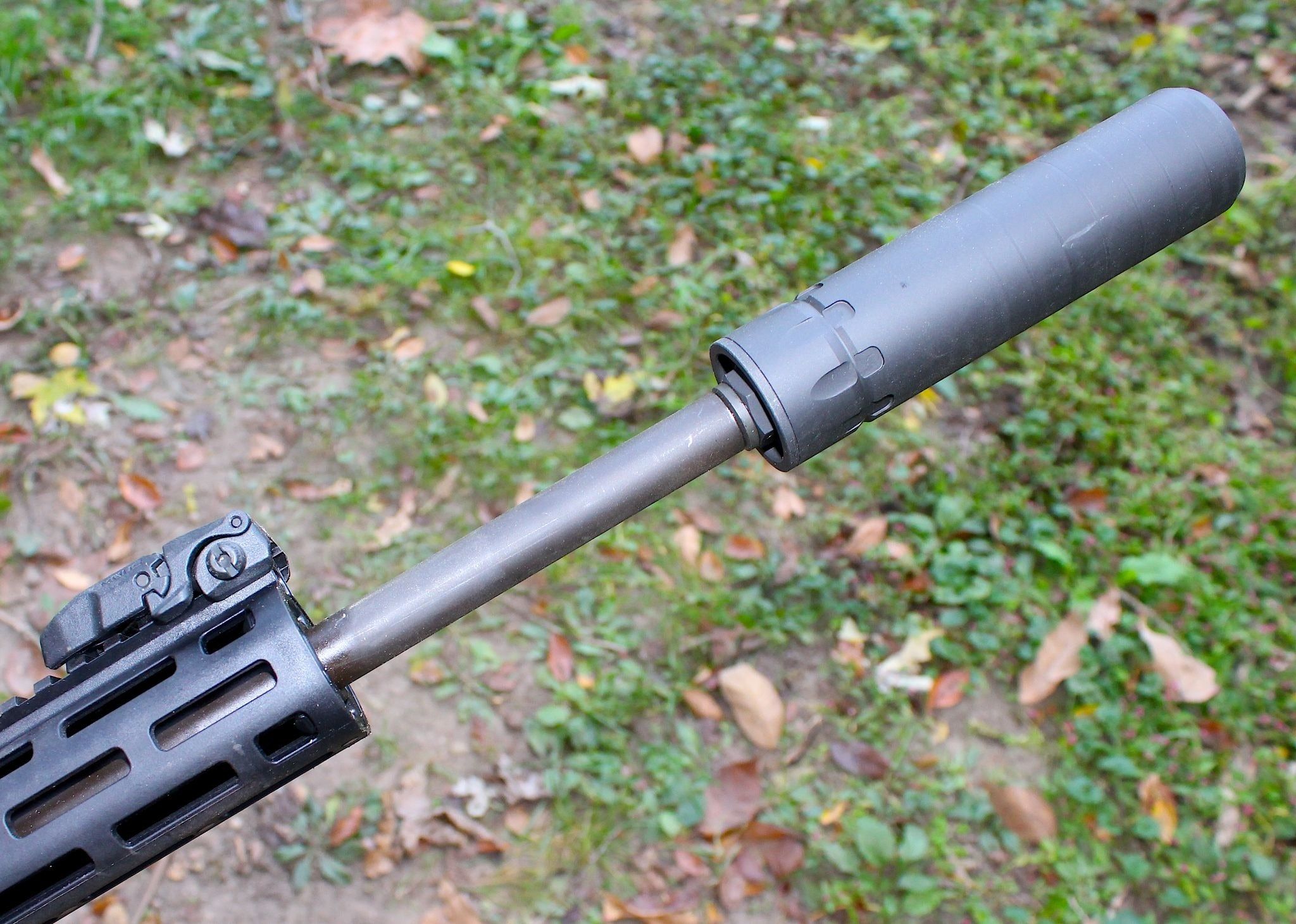
Argentine gunmaker Bersa now sells suppressors, and its best-selling model is the B556. Bersa rates the can at about 32 dB of reduction, depending on caliber and ammunition. Shooting the can on an AR in a backyard range, a reviewer at TTAG measured an average drop of 29 to 31 dB using two smartphone sound-meter apps. That result sits close to the manufacturer's number. The B556 is built from Inconel and stainless steel, carries a high-temperature Cerakote finish, and is covered by a limited lifetime warranty. Its real selling point is caliber range. One can covers .22, .223/5.56, .243, and 6mm.
Key Details
Bersa's suppressor lineup has five models: the B556, B22, B45, B9, and B762. Prices start at $500. The reviewer tested the B556 and reported the following:
- Calibers: .22, .223/5.56, .243, and 6mm, with the reviewer noting the can should work with other .24-caliber rounds.
- Rated reduction: approximately 32 dB, per the product page.
- Measured reduction: 29 to 31 dB average, with and without the can on an AR.
- Construction: Inconel and stainless steel with a high-temperature Cerakote finish.
- Baffles: oversized baffles.
- End cap: field-removable front end cap, with a removal tool included. The cap that ships is unvented.
- Blowback: the reviewer felt some gas return, though not excessive.
- Warranty: limited lifetime warranty.
The reviewer did not test the can on other calibers. He expects it to perform similarly on the .24-caliber rifles listed. He also argues that a removable front cap sets the B556 apart from many competitors. Vented caps reduce gas return, while solid caps generally suppress more sound but push more gas back toward the shooter.
Background
Bersa has built its reputation on affordable pistols. Its Thunder series, mostly chambered in .380 ACP, is often compared to the Walther PPK. The Thunder Plus holds 15+1 rounds and uses a double-action/single-action trigger. Bersa's striker-fired 9mm line, including the BP9FS, represents its more modern offering. The company also makes AR-style rifles, 1911s, and 2011-pattern pistols. Bersa's entry into suppressors marks a move beyond its handgun and rifle roots.
The metal in the can has a long history. Inconel is a nickel-chromium-iron superalloy developed around December 1932 by scientists at the International Nickel Company. Engineers used it early in jet engine development, including the British Whittle engine. Its resistance to heat, oxidation, and corrosion makes it a common choice for suppressor tubes, which run hot during long strings of fire.
The regulatory picture changed as well. Suppressors remain regulated under the National Firearms Act, which requires registration with ATF and approval before transfer. Starting January 1, 2026, the $200 federal tax on suppressors dropped to zero under the 2025 reconciliation law. Buyers still face the ATF paperwork and processing times, but the tax no longer adds $200 per can.
Why It Matters for Gun Owners
A multi-caliber can changes the math for families with several rifles. If you run a 5.56 AR and a .243 bolt gun, one suppressor can cover both, provided the threads and mount match each barrel. Check thread pitch before you buy. Mismatched threads cause more headaches than any suppressor performance issue. Confirm that the can is rated for the cartridges you shoot, because a 6mm or .243 load runs different pressures than 5.56, and you should not exceed the manufacturer's stated limits.
Owners in states that allow suppressors for hunting or recreational shooting should check local rules before buying. Some states restrict suppressor use for hunting, and some restrict ownership. Hunters with .243 or 6mm rifles should verify legality in their game management area. Shooters who spend long days at the range should note that an unvented cap will return more gas, so eye and face protection matter more when running the can at close range.
Expect more manufacturers to join the market now that the tax is gone. Lower prices and wider choice usually follow. Watch for stock shortages and processing delays, which often accompany a surge in demand.
DownRange Analysis
A suppressor is a firearm accessory that the NFA regulates. Under Bruen, the Second Amendment covers arms, and courts must ask whether modern regulations match the nation's historical tradition of firearm regulation. Lower courts have largely upheld NFA registration for suppressors, and the Supreme Court has not taken a case that tests it directly. Expect that to change, because the $0 tax and the rising number of owners will push the question into court. Until then, treat the NFA paperwork as the law.
The B556 makes sense for a shooter who runs several calibers, and the removable front cap adds real value for cleaning. Do not buy on the 32 dB number alone. Treat it as a marketing figure and assume the real-world result will land a few dB lower. Hearing protection still matters. Wear earplugs under the can, and do not trust a suppressor to replace them.
What should you do now? Confirm your barrel's thread pitch. Check the caliber rating for every rifle you plan to run the can on. Buy through a licensed dealer, file your Form 4 or trust paperwork correctly, and keep your receipts and approvals on file. Then put the can on a rifle and shoot it.