Pulsar's Trail 3 XR50 Packs a 1,200 m Rangefinder Into 10.7 Inches
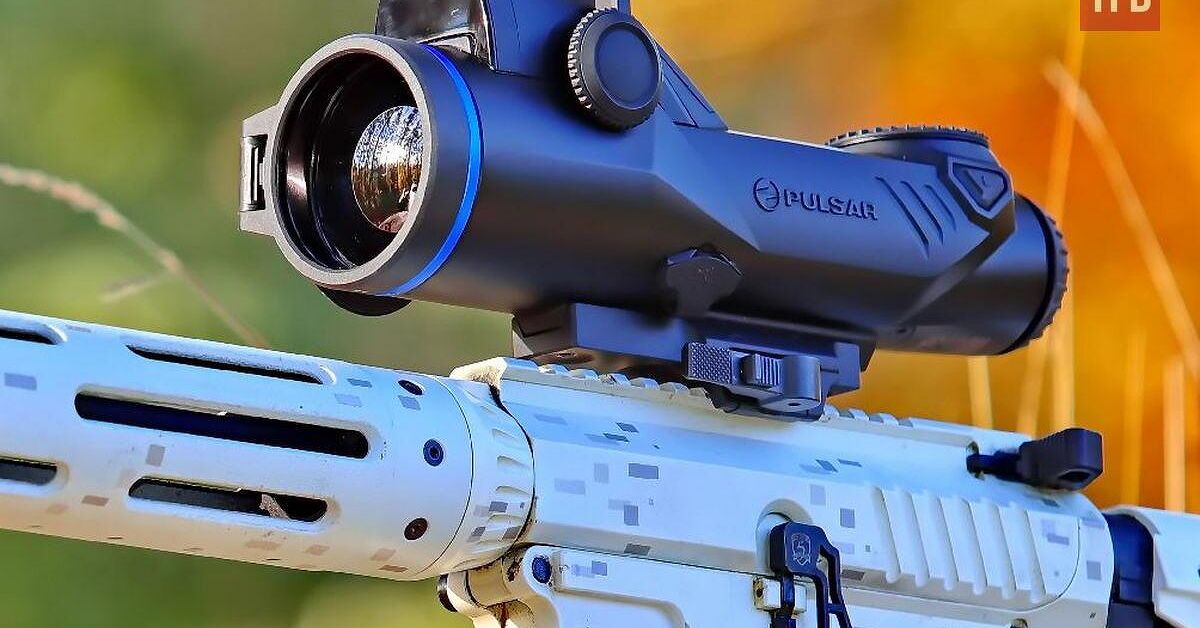
Pulsar's Trail 3 LRF XR50 is a 640x480 thermal riflescope with a built-in 1,200 m (1,312 yd) laser rangefinder, and it weighs 0.7 kg (25 oz). Pulsar built it for hunters who walk through the night instead of waiting in a blind. The Firearm Blog published a long-term review on November 19, 2026, after its author ran his own unit for ten months of wild boar hunting. The scope mounts on a Picatinny rail and rides on AR-style rifles like a short LPVO. US list prices are quoted as of November 2, 2026.
Key Details
The XR50 is one of two Trail 3 models. It replaces the Trail 2 LRF XP50 and trades the XQ50's slightly better sensitivity and extra battery hour for a larger sensor. Key specifications from the review:
- Sensor: 640x480 resolution, 12 µm pixels
- Lens: 50 mm, F1.0, with 3x base magnification
- Display: Full HD AMOLED
- Rangefinder: 1,200 m in its own housing, so the germanium lens stays uncut
- Weight: 0.7 kg (25 oz), roughly half a Thermion 3
- Length: 271 mm (10.7 in), 120 mm shorter than the Thermion 3
- Field width: 15.4 m at 100 m (46 ft at 100 yd)
Against the Thermion 3 XT60, the reviewer measured about 60% of the field width and roughly 80% of the detail on the animal at the same magnification. The controls include a knurled top wheel for menus and zoom, two customizable shortcut buttons, a dedicated rangefinder button on the side, and focus levers on both sides of the body. A proximity sensor shuts the display off when the shooter lifts his head. A round picture-in-picture window magnifies the reticle area while the rest of the image stays at 3x. The reviewer also points out two complaints: zoom lives on the wheel instead of an LPVO-style ring, and automatic calibration freezes the image for a moment when an animal stops.
Background
Thermal optics detect heat rather than reflected light. Most hunting thermals use uncooled microbolometer sensors, and sensor resolution sets how much shape an animal keeps at range. Pixel count and lens focal length drive the field of view. A 640 sensor paired with a 50 mm lens gives a wider picture than a 1280 sensor behind a 60 mm lens, but it shows less detail on the same animal. Pulsar's Thermion line occupies the flagship position, and the Trail 3 sits below it as the compact option for rifles. Pulsar showed the Trail 3 at SHOT Show 2026, and the review's author bought his unit in early 2026. The reviewer also notes the Trail 3 shares some features with the Telos XT50 monocular, though only the Trail 3 mounts to a rifle.
Why It Matters for Gun Owners
If you run an AR-platform rifle for hogs, coyotes or nuisance animals after dark, the XR50 fits the job better than a full-size thermal day scope. At 0.7 kg, it does not pull the muzzle down on a rifle you carry for hours. The 1,200 m rangefinder adds real value on open ground, since you can range a target without lifting your cheek off the stock. Left-handed shooters get focus levers on both sides, which matters on a platform where many scopes favor right-handers.
The buying decision comes down to identification. Any modern thermal will find a warm body at 500 m. Telling a boar from a roe deer or a fox at distance depends on sensor resolution. Buy the XR50 if you need a clean outline of the shoulder and front leg. Buy the cheaper XQ50 if you mainly detect and call predators at close range. Before you buy, check your state's wildlife code. Thermal use for hunting varies by state and by species, and the review itself says local legislation decides the rules. Confirm your legal status before you carry it into the field.
DownRange Analysis
Bruen gives this scope no constitutional protection. It is a hunting optic, and any restriction on its use falls under state wildlife regulation, not the Second Amendment. That distinction matters. Gun owners should track state game codes as closely as they track carry laws, because a hunting-use restriction can shut down a hunt without touching a single firearm rule.
On the market side, Pulsar is pricing the XR50 as the sweet spot for AR owners who want a thermal they can run all night. The 640 sensor is the tradeoff. You give up detail to get a lighter, shorter package that balances on a carbine. Our advice is simple. Demo the scope on your own rifle before you buy. Set focus at the distance where you expect animals, leave the zoom at base magnification, and use the picture-in-picture to check the target. Then confirm your state allows thermal for the game you hunt. Do those two things, and the XR50 earns its place on the rifle.