Chicago Sent No Officer to a Home-Invasion Rape Victim for Hours
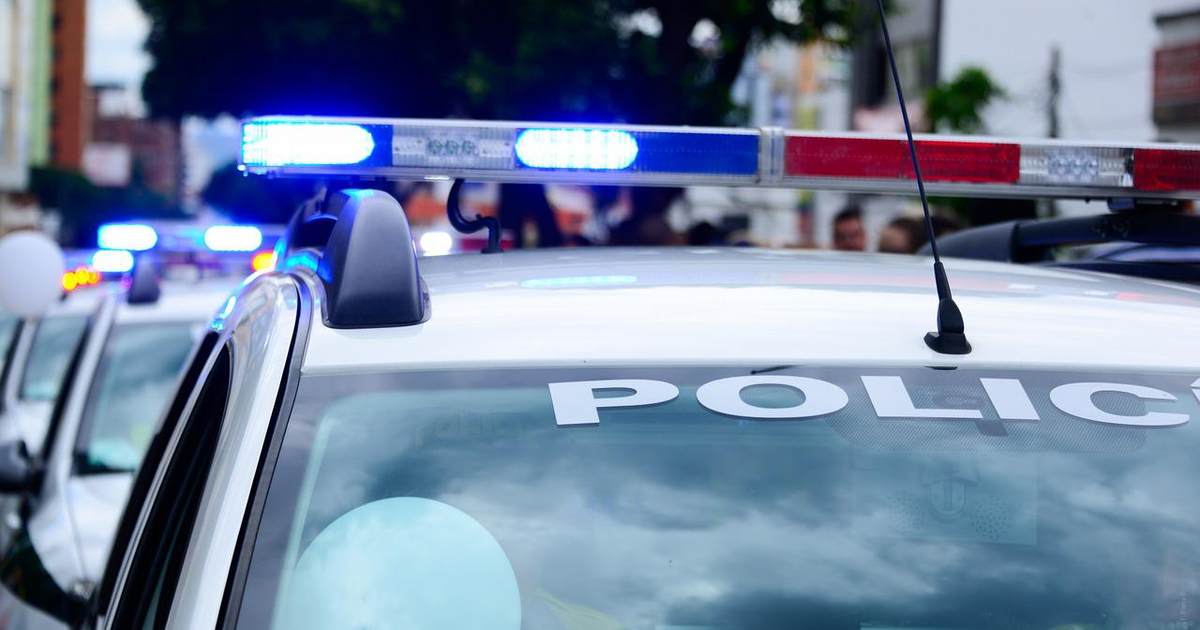
A woman raped at gunpoint during a home invasion in Chicago waited hours for police. Radio and dispatch recordings show the Chicago Police Department's 911 center logged nine calls about the November 6 attack without sending a single car. The Gresham (6th) District had no patrol units free. The first report of the assault reached dispatch at 12:21 p.m. By the time the victim reached Holy Cross Hospital, no officer had been assigned to her. An officer did not arrive to meet her until 2:13 p.m.
Key Details
The recordings lay out a timeline that should concern anyone who owns a gun or plans to.
- November 6: Home invasion and sexual assault in the Gresham neighborhood.
- 12:21 p.m.: First mention of the attack on district radio traffic.
- Radio Assignments Pending (RAP): The district entered RAP status, meaning every patrol car was committed and no units were available for new calls.
- Nine calls: The 911 center received nine calls for service on the incident without dispatching an officer.
- 1:13 p.m.: The victim had already been transported to Holy Cross Hospital for treatment. No officer had been sent.
- 2:13 p.m.: An officer finally arrived to meet the victim at the hospital.
The call was apparently classified as a criminal sexual assault requiring an officer's response, so the classification was not the problem. The problem was the queue. Emergency assignments stacked up while the district had no cars. A sergeant reportedly spotted the call and pushed for action, and only then did a response move. The dispatcher's stated reason was that no one was available. The victim spent more than an hour in an emergency room before an officer showed up to take a report.
Background
The Supreme Court has repeatedly said the government owes you no personal guarantee of police protection. In DeShaney v. Winnebago County (1989), the Court held that the state has no constitutional duty to protect individuals from violence by private actors. In Town of Castle Rock v. Gonzales (2005), it held that a restraining order did not create an enforceable entitlement to police enforcement. Courts have long treated police protection as a public service, not a private right.
Chicago has its own history with staffing strain and slow response. Officers in the city have been stretched thin for years, and the RAP status recorded in these recordings is the sort of stopgap that appears when districts run out of units. The city's tight gun laws add to the picture. In McDonald v. City of Chicago (2010), the Supreme Court incorporated the Second Amendment against the states after Chicago had banned handgun possession for most residents. Illinois later passed the Firearm Concealed Carry Act in 2013, and the Protect Illinois Communities Act of 2023 imposed an assault weapons ban that is now in litigation.
Why It Matters for Gun Owners
If you live in Illinois, this case is a reminder that the 911 system does not run on your timeline. Response depends on staffing, the district's queue, and a dispatcher's judgment on a given night. A carry permit and a home defense plan are not extras in that environment. They are the plan.
Illinois residents need a valid FOID card to possess a firearm, and a concealed carry license for carrying in public. The state's handgun purchase waiting period is 72 hours, so a buyer must plan ahead. Anyone who wants a firearm for home defense should factor that delay into the decision now, not during a crisis. Gun owners in other states should not feel safe either. Staffing shortages hit departments everywhere, and rural response times are often worse than urban ones.
Watch for changes to CCL rules, the status of the Protect Illinois Communities Act in court, and any local moves to adjust dispatch procedures. Those are the signals that show whether anyone in Springfield or city hall is treating response times as a public safety problem.
DownRange Analysis
The old line that you should just call the police does not survive contact with the facts. Calling the police is a request, not a guarantee. Under New York State Rifle & Pistol Association v. Bruen (2022), the Second Amendment protects an individual right to carry for self-defense, and the Court said that right is not a second-class privilege to be granted when the government finds it convenient. A right that exists but depends on a dispatcher having a free car is a right the state has quietly outsourced to chance.
Right now, do three things. Get your training from a qualified instructor and practice under stress. Keep your permit current and know your state's carry and transport rules. Write a home defense plan that assumes the first 30 minutes are yours alone. The woman in this case was not careless. She did what the system asked. The system failed her, and gun owners should plan for the day it does the same to them.