Secret Service Arrests Man Near White House With Three Guns
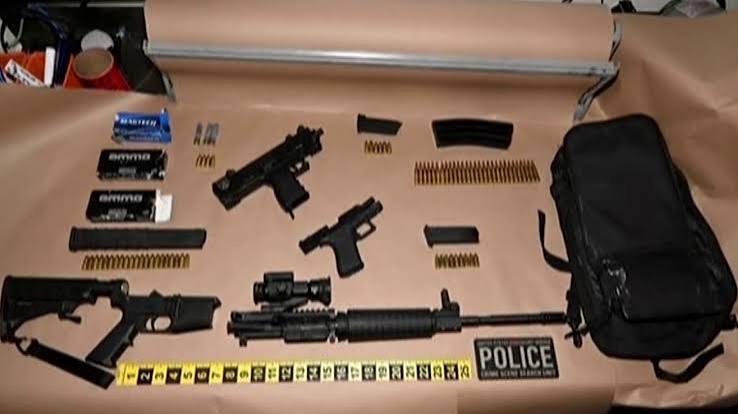
Secret Service officers arrested a man near the White House after finding him in a parked car with three firearms and dozens of rounds of ammunition. According to a Homeland Security statement, officers approached him Thursday night because he was acting suspicious. The suspect, Ronny Yordrix Guanipa Chrinos, then told them that voices in his head told him to come to the nation’s capital and kill President Donald Trump. He is in custody and has been charged. The statement reported here does not list the specific charges, and the claim that he is an illegal alien from Venezuela remains an allegation at this stage.
Key Details
The facts that matter in this case are narrow and clear:
- Timing: The arrest happened Thursday night, November 5, 2026, and was reported on Monday, November 9.
- Location: The suspect sat in a parked vehicle near the White House complex.
- Trigger: Secret Service officers approached the man after they saw him acting suspicious.
- Firearms: Officers found three guns in the car, along with what the Secret Service described as “dozens” of rounds of ammunition.
- Suspect: Ronny Yordrix Guanipa Chrinos, identified in the official statement.
- Stated motive: He described voices telling him to travel to Washington and kill the Republican president.
- Presidential proximity: Trump was not at the scene. The suspect was not in a position to act on his claimed instructions, according to the reporting.
- Immigration status: The commentary that accompanied the report says the suspect appears to be a Venezuelan national in the country illegally. That point has not been confirmed by a charging document in the material reviewed.
Background
Federal law already bars people who are unlawfully in the United States from possessing firearms or ammunition. Under 18 U.S.C. § 922(g)(5), that prohibition applies to anyone who is an unlawful alien, and it is a felony to possess a gun in violation of it. The rule also makes it a federal crime to sell or transfer a gun to such a person. Licensed dealers run every buyer through NICS and fill out ATF Form 4473, so an unlawful alien buying from a store will almost always be stopped at the counter. Getting guns through a private sale, a straw purchase, or a theft is the usual route.
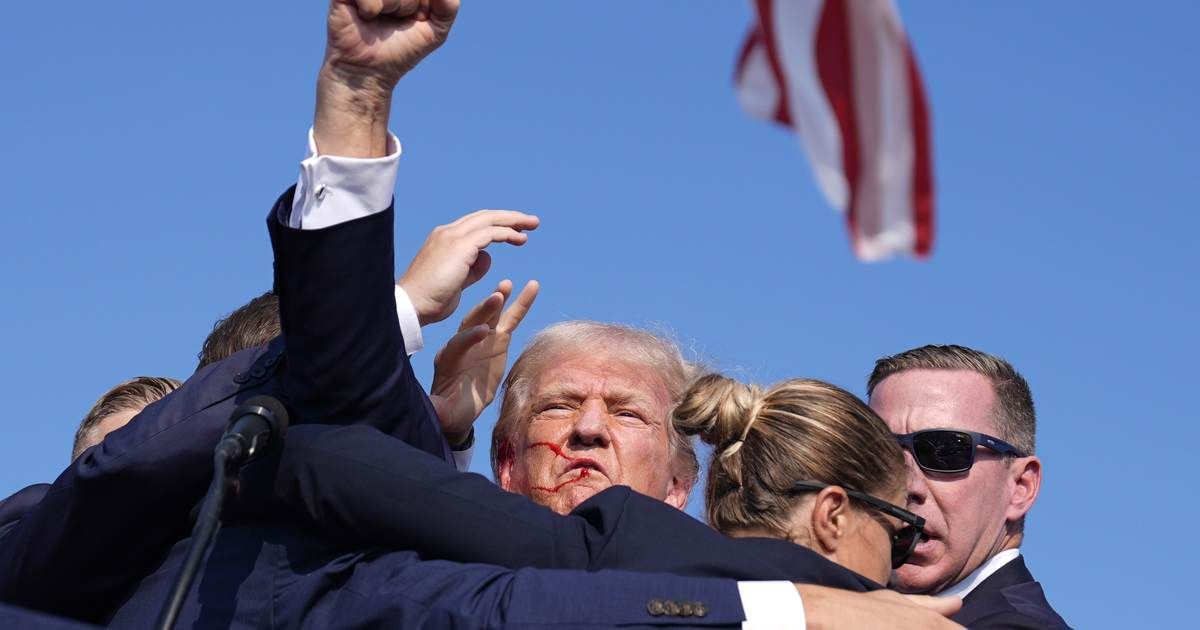
Presidential security has grown tougher since 2024. In July 2024, Thomas Matthew Crooks fired on Donald Trump at a rally in Butler, Pennsylvania, and in September 2024 Ryan Wesley Routh was arrested near Trump’s West Palm Beach golf club with a rifle and a scope. Both incidents led to Secret Service reviews and changes in perimeter protocol. Lower-level cases like the one near the White House rarely make national news, but they show how often officers intercept armed people before they get close.
Second Amendment law has also changed. In New York State Rifle & Pistol Association v. Bruen (2022), the Supreme Court held that the Second Amendment protects carrying arms in public, and courts must test gun laws against the nation’s historical tradition of firearm regulation. In United States v. Rahimi (2024), the Court upheld the federal ban on guns for people under domestic violence restraining orders, while confirming that historically grounded prohibitions on dangerous people remain valid.
Why It Matters for Gun Owners
This case hits three groups of gun owners directly. First, anyone who sells a gun privately needs to ask hard questions. In many states, a private seller faces no background check requirement. That gap is exactly where prohibited buyers find guns, and a seller who hands a firearm to someone who is obviously prohibited can face federal charges. Ask for a valid ID, watch for unusual behavior, and walk away if something feels wrong.
Second, anyone who carries needs to know where the lines are. Washington, D.C. has some of the strictest carry restrictions in the country. A parked car full of guns near federal property is an emergency for the Secret Service. Gun owners should never leave firearms unattended in a vehicle near government buildings, especially in D.C., where license rules and location restrictions are tight.
Third, gun owners should expect tougher scrutiny whenever a case like this breaks. Political fights over immigration and gun policy tend to merge after an incident like this. Expect lawmakers to push for stricter private-sale rules, tighter ammunition reporting, or harsher penalties. Track the bills in your state and comment on them before they move.
DownRange Analysis
Start with the statute. Section 922(g)(5) already covers unlawful aliens, and it survives Bruen scrutiny because prohibiting dangerous or unlawfully present people has deep historical roots. Nobody serious argues that a person in the country illegally has a constitutional right to keep three guns in a car. The real question is how he got them. If he bought them through a straw purchaser or a private seller who ignored red flags, prosecutors have clear targets. If the guns came from a legitimate dealer, that points to a failure in ATF and NICS checks, which deserves a hard look.
The market impact will be limited. Sales of common handguns will not change because of one arrest. But buyers should expect more paperwork at private transfers and more heat on out-of-state sales. Dealers should keep their 4473 records clean and their NICS checks documented.
What should a gun owner do right now? Confirm the legal status of anyone you sell to. Never store a gun unattended in a car near federal property. And keep records of every transfer you make. The next arrest will come with a press release, and the gun owners who can show clean paperwork will be in the strongest position.