Colombia's Leader Holsters Sidearm as Cartel War Escalates
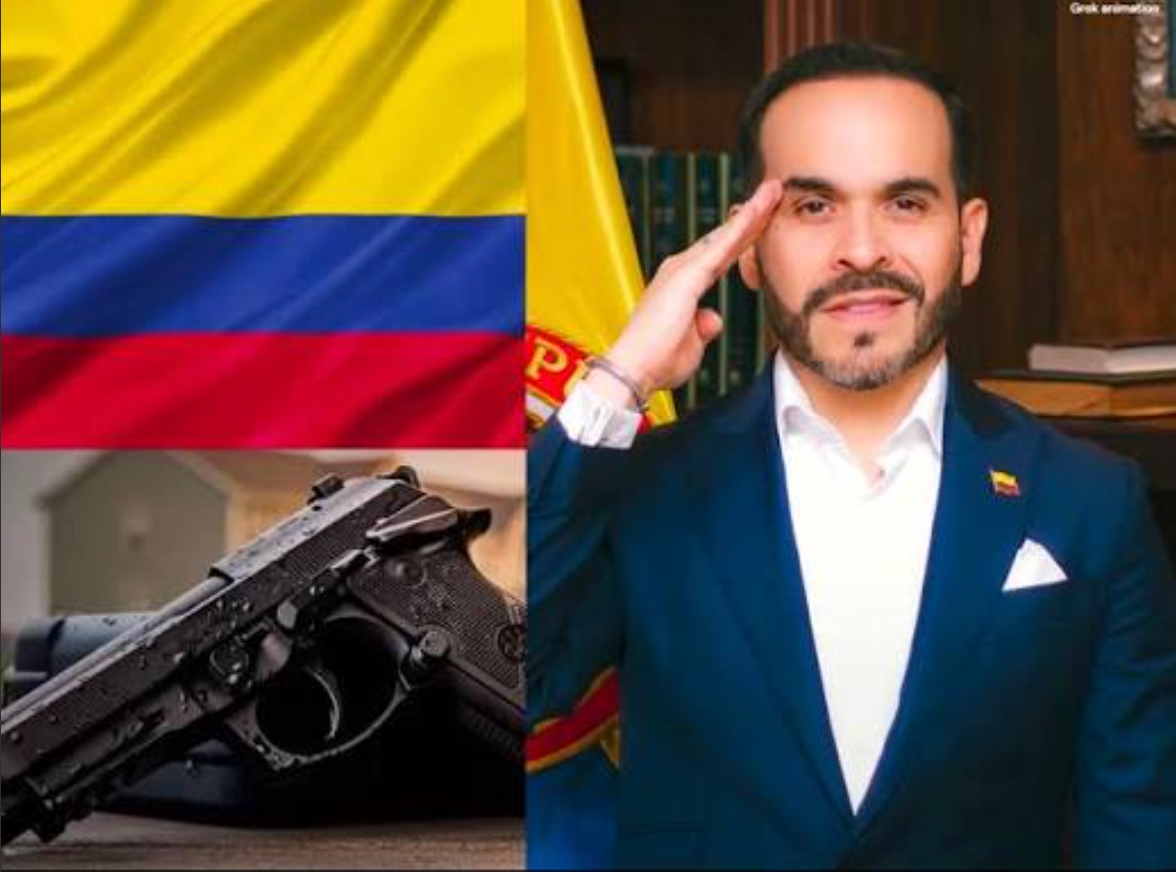
President Abelardo De La Espriella strapped a pistol to his belt during a security operation in Santa Marta last week. This move signals a dramatic shift in Colombia's gun policy after decades of restrictions. Weeks prior, De La Espriella lifted the country's general suspension on civilian firearm carry permits—a policy reversal that gives armed citizens legal standing to defend themselves against cartel violence.
The president's decision to visibly carry during the anti-cartel deployment sends a clear message: Colombia's leadership now backs armed self-defense. De La Espriella joined military and police forces battling the ACSN (Agrupación Centralizada de Trabajadores del Sinú), a cartel faction responsible for territorial control and trafficking operations across northern regions.
De La Espriella's pistol appeared during the Santa Marta operation as federal forces executed raids and arrests targeting ACSN leadership. The visible carry wasn't accidental—it reflected policy alignment between executive action and security reality. Colombia's citizens had been locked out of self-defense options for years. Now their president demonstrated confidence in armed citizens as part of national security strategy.
Why It Matters for Gun Owners
Colombia's permit lift matters internationally because it represents government acknowledgment that civilian firepower serves defensive purposes. When heads of state visibly carry firearms, they validate Second Amendment principles other nations suppress. De La Espriella's belt pistol says: armed citizens belong in the security equation.
For American gun owners, this signals something critical. Even nations with deep anti-gun histories recognize carry restrictions fail when criminal violence dominates. Colombia faced cartel siege conditions requiring armed response. The government's answer wasn't more restrictions—it was removing them. That's a policy admission worth noting.
The timing matters too. De La Espriella didn't wait for perfect conditions or bureaucratic consensus. He lifted permits, then demonstrated personal commitment by carrying during active operations. Leadership through example beats legislative speeches every time.
Cartel violence in Colombia mirrors gang activity in American cities. Both require armed defense. Both expose permit restrictions as counterproductive. De La Espriella's actions essentially validate what American gun owners already know: carry permits save lives when enforcement is inadequate.
Background
Colombia maintained near-total civilian carry restrictions for decades. The policy treated gun ownership as privilege requiring extreme justification. Armed civilians were rare. Cartel members, naturally, ignored the ban entirely.
De La Espriella's administration recognized this asymmetry. Criminals had guns. Law-abiding citizens didn't. The result was predictable: cartel dominance across entire regions. Santa Marta, located in Magdalena Department, became ACSN territory where cartel authority superseded state authority.
The ACSN operates trafficking networks, controls port access, and eliminates rivals without police interference in their strongholds. Military operations against them succeed tactically but fail strategically without addressing root conditions—namely, civilian disarmament in hostile territory.
De La Espriella's permit lift changes that calculation. Armed citizens can now legally defend homes, businesses, and families. This shifts the power balance away from cartels and toward communities. It also acknowledges that government security forces cannot protect everyone everywhere simultaneously.
DownRange Bottom Line
Colombia's president carrying a pistol during cartel operations represents policy consensus: armed civilians matter. The permit ban lift wasn't theoretical—it was practical response to criminal dominance. De La Espriella backed that decision with personal example.
American gun owners should recognize what this means. Nations abandoning disarmament policies do so because restrictions proved ineffective against organized crime. De La Espriella didn't lift permits because he suddenly believed in rights. He did it because criminals made civilian self-defense necessary.
That's the strongest possible argument for carrying—and for keeping government hands off carry permits anywhere.