Colombian President Lifts Carry Ban, Arms Citizens Against Cartels
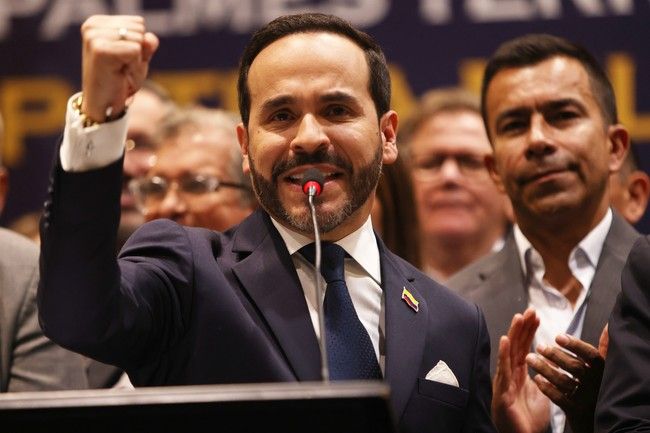
Colombian President Abelardo De La Espriella terminated a 10-year freeze on civilian carry permits in early September 2026, reversing one of Latin America's strictest personal defense restrictions. The policy shift signals a dramatic reversal in how Colombia's government now views armed self-defense—moving from prohibition toward legalization as a tool against organized crime and narcoterrorism. The decision carries symbolic weight beyond Colombia's borders, where gun owners and policymakers are watching how a nation fighting cartel violence addresses citizen disarmament.
Key Details
- Carry license suspension lasted approximately 10 years before De La Espriella's reversal
- President publicly encouraged Colombian residents to pursue legal carry permits
- Policy change implemented in early September 2026
- Move represents fundamental shift in Colombian government's stance on civilian firearms ownership for self-defense
Why It Matters for Gun Owners
This decision exposes a critical reality U.S. gun owners understand intuitively but politicians often deny: disarmed populations cannot effectively defend themselves against criminal organizations. Colombia's decade-long carry ban didn't eliminate cartels or reduce violence—it left law-abiding citizens defenseless. De La Espriella's reversal acknowledges that premise. For American gun owners, the case study is direct: carry rights correlate with personal security in high-threat environments. States and municipalities that restrict carry permits force residents into the same vulnerable position Colombia just rejected. The policy also signals that even governments skeptical of civilian firearms eventually recognize reality when faced with organized violence that police cannot control.
DownRange Analysis
De La Espriella's move demonstrates what Bruen-era reasoning looks like in practice: historical disarmament policies fail when public safety deteriorates. Colombia's government abandoned a decade of restriction because the policy demonstrably didn't work. This creates pressure on U.S. courts examining carry restrictions to ask the same question: does prohibition actually prevent violence, or does it only victimize compliant citizens? The decision also sends a message to narcoterrorists and criminal organizations—Colombia is returning power to individuals rather than centralizing it. Gun owners should monitor whether this policy survives internal political pressure and whether it measurably affects Colombia's security situation. The experiment could provide real-world data on armed citizenry versus cartel violence.