Derya Enters U.S. Shotgun Market With EX1300 Double-Barrel
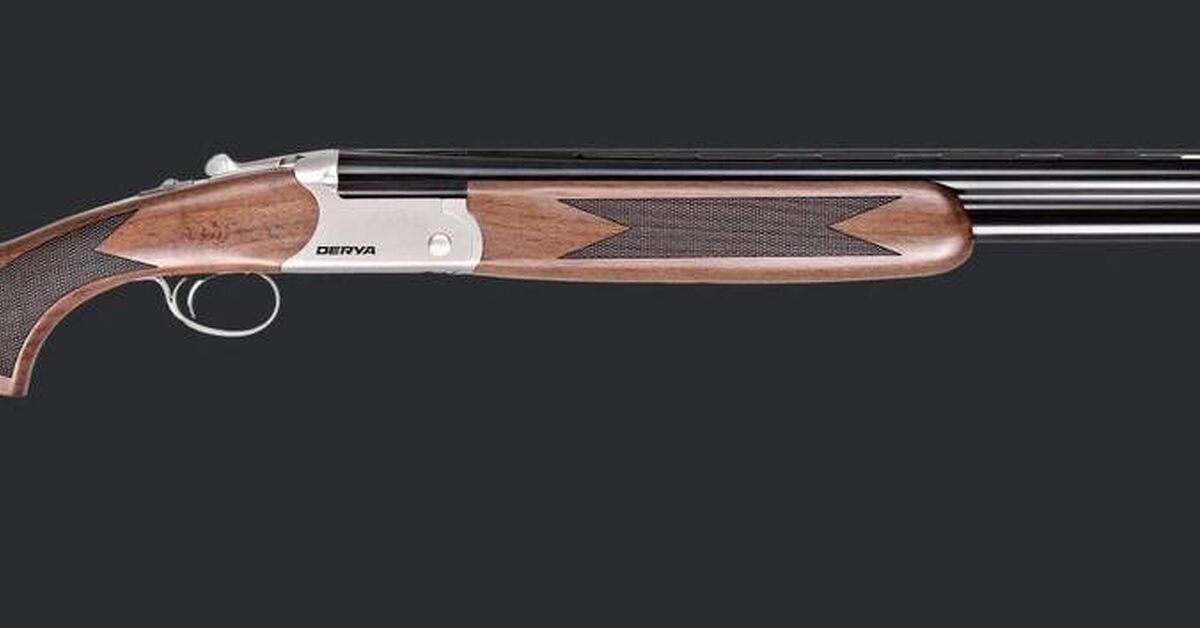
Derya, a Turkish firearms manufacturer established in 1998, is bringing the EX1300 double-barrel shotgun to U.S. civilian distributors. The company, known primarily for tactical shotguns and modern sporting rifles in .22LR, is diversifying its portfolio with a traditional side-by-side design. Derya already supplies handguns, tactical shotguns, and rimfire rifles to markets worldwide and is now testing demand for classic shotgun profiles in America.
Key Details
- Derya founded 1998 in Turkey; now operates international distribution networks
- Current product line includes tactical shotguns, .22LR rifles, and multiple handgun models
- EX1300 represents departure from company's tacticool focus—traditional double-barrel configuration
- Company already selling in multiple countries; U.S. entry expands addressable market
Why It Matters for Gun Owners
Derya's U.S. entry signals affordable competition in the double-barrel shotgun segment, where Mossberg, Stevens, and Turkish competitors like Huglu and Yildiz have dominated under $400 price points. American shooters benefit from additional supply and pricing pressure in a market segment often overlooked by AR-focused manufacturers. The EX1300 specifically targets hunters and sport shooters who want traditional ergonomics without premium pricing. Availability and pricing will depend on import duties, distribution agreements, and ATF approval timelines—all variables that typically take 6-12 months to stabilize.
DownRange Analysis
Derya's move is calculated market segmentation. While the company builds modern tactical shotguns, introducing a fudd-friendly double-barrel addresses retail channel demands and customer demographics that prefer classic designs. Turkish manufacturers have proven they can build reliable shotguns at competitive prices; the real question is whether Derya can establish reliable U.S. distribution and parts/warranty support. Gun owners should monitor pricing once the EX1300 hits dealer shelves—competition always benefits the buyer. However, service logistics for Turkish imports remain slower than domestic brands, a consideration for warranty claims and parts availability.