GOA Fights Federal Registration and State Bans on Two Fronts
Gun Owners of America is waging a multi-front legal battle against both federal and state authorities. GOA is challenging the Department of Justice over National Firearms Act registration mandates while simultaneously filing suit against Pennsylvania over state-level gun restrictions. The ATF has also issued new rules that tighten the 'willfully' standard—a legal threshold that determines whether FFLs and gun owners face criminal liability for regulatory violations. These concurrent actions test the boundaries of government authority at federal and state levels.
Key Details
- GOA filed suit against the DOJ specifically targeting NFA registration requirements, arguing federal overreach on compliance mandates
- Separately, GOA challenged Pennsylvania's state gun restrictions in court, attacking laws that limit carry rights and ownership categories
- The ATF's new 'willfully' standard raises the bar for criminal intent, potentially protecting FFLs from prosecution for technical violations
- All three actions—federal NFA challenge, state suit, and ATF rule change—intersect on the question of what constitutes lawful compliance
Why It Matters for Gun Owners
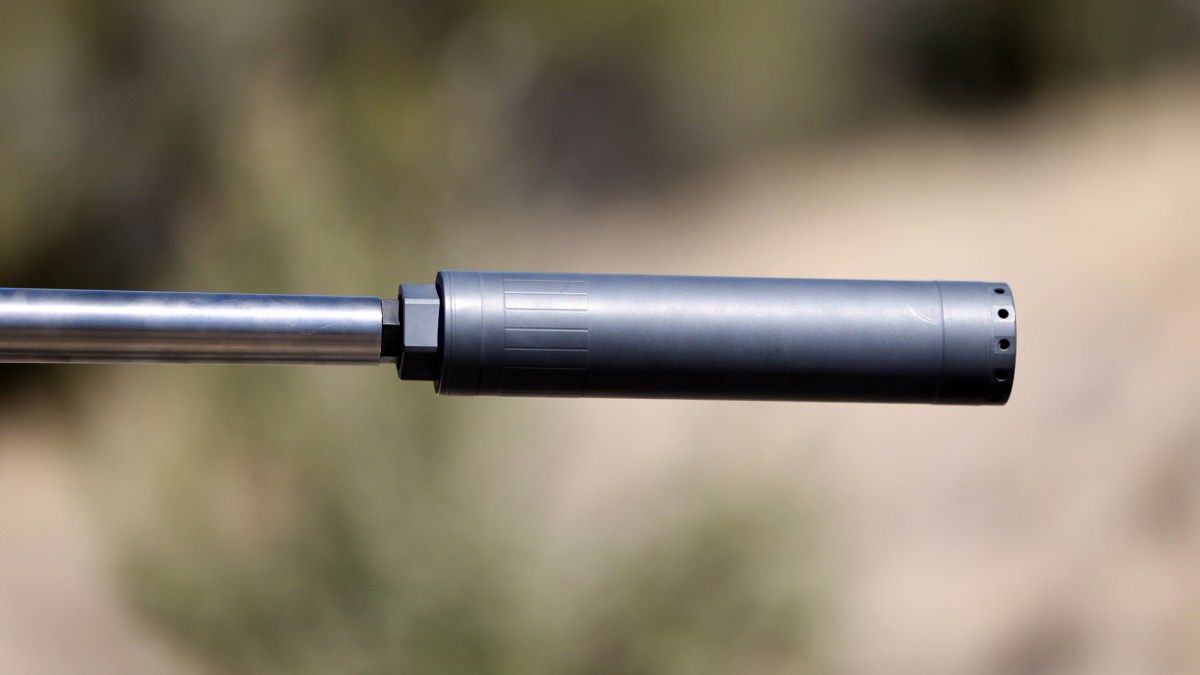
NFA registration has long been a flashpoint for Second Amendment advocates. Any court ruling against registration mandates could affect suppressors, short-barreled rifles, and machine guns nationwide. Pennsylvania's restrictions hit directly—the state has pursued aggressive carry restrictions and magazine limitations that matter to daily carriers. The ATF's 'willfully' standard change helps gun shops and owners avoid criminal charges for honest mistakes, not malicious violations. For you: watch the NFA ruling closely, review Pennsylvania's current laws if you live there or carry through it, and understand that FFL compliance just got slightly clearer.
DownRange Analysis
GOA is playing chess while most gun groups play checkers. Hitting both the DOJ and Pennsylvania simultaneously forces the government to defend NFA registration in one courtroom while defending state restrictions in another. The 'willfully' standard matters because it narrows prosecutorial overreach—the ATF can't destroy a dealer for paperwork mistakes anymore. Post-Bruen, state restrictions are vulnerable. The NFA registration fight hinges on whether courts view registration as infringing on Second Amendment rights or merely administrative compliance. Gun owners should monitor these cases monthly. They're not theater—they're real constitutional challenges that could reshape what you can legally own and carry.