Churches Arm Up: Faith Leaders Weigh Armed Defense Against Doctrine
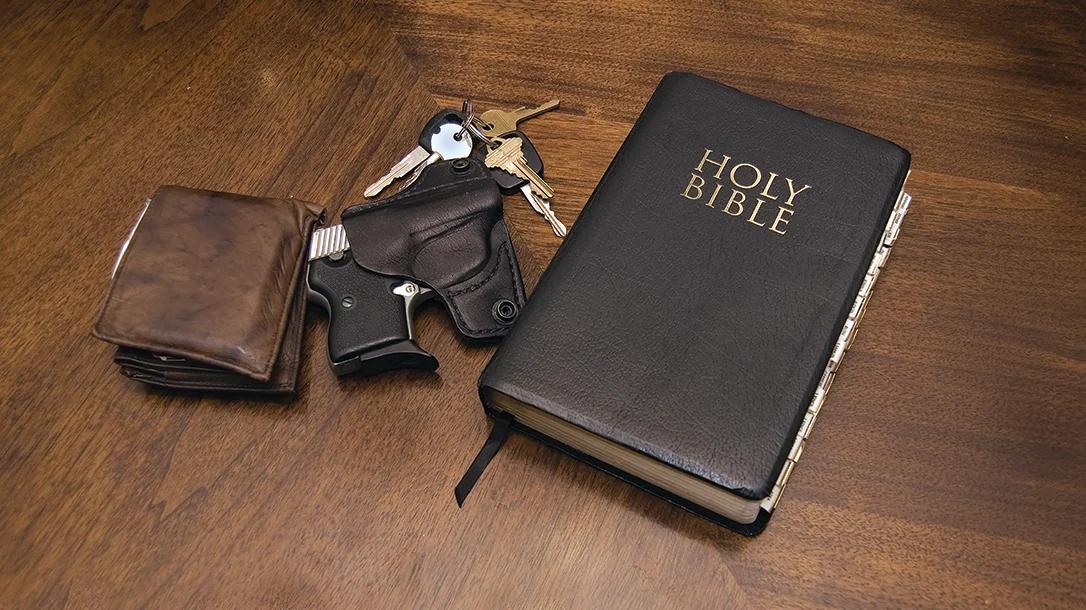
Churches, synagogues, and mosques across America confront a decision their founders never anticipated. Documented attacks on congregations have forced faith leaders into uncomfortable territory: armed security volunteers, access control, and ballistic planning. Pastors, rabbis, and imams now weigh centuries of sanctuary tradition against the hard reality of contemporary threats. The calculus is brutal. One attack changes everything.
Key Details
Houses of worship have functioned as open sanctuaries throughout American history. That model faces direct pressure. Recent years produced multiple documented attacks targeting congregations during services. Faith leaders now debate three core options: hiring armed security professionals, training armed volunteers from within the congregation, or implementing controlled access at entry points. Each choice carries doctrinal, legal, and practical weight. Some congregations reject armed defense outright. Others install armed volunteers or hire armed staff. No consensus exists.
Why It Matters for Gun Owners
Carry permit holders and armed citizens should understand the legal landscape at places of worship in your state. Many states prohibit firearms in churches without explicit written consent from leadership. Some denominations ban weapons on premises entirely. Others permit armed volunteers to carry during services. Know your congregation's policy before showing up armed. If you serve in an armed security role at a church, verify your liability coverage. Your homeowner's or business policy likely won't cover church security work. Organizations like the Church Safety Institute publish state-specific guidance on legal armed defense programs.
DownRange Analysis
This issue exposes the gap between Second Amendment theory and religious practice. Heller and Bruen affirmed the right to carry for self-defense, but houses of worship remain legally restricted spaces in most states. Faith leaders face a real threat but limited legal flexibility. Gun owners should recognize that armed volunteers in churches need proper training, liability coverage, and written authorization from leadership. Untrained armed responders create liability and risk. If you carry and attend church, have a direct conversation with your pastor or security leadership about policy. The worst time to learn you're prohibited from carrying is during an emergency.