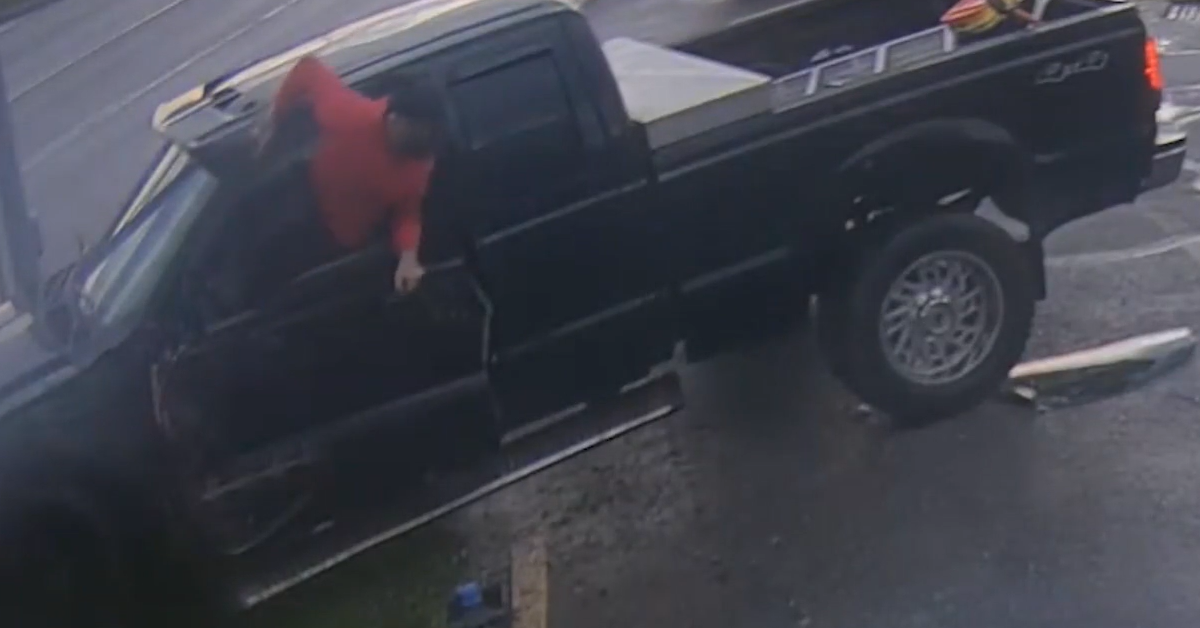
Canada Busts International Gang Running Extortion and Contract Killing Pipeline Through Toronto Suburbs
Peel Regional Police arrested 17 men tied to For Brothers, a transnational criminal organization operating extortion and shootings-for-hire across the Greater Toronto Area. The gang targeted South Asian business owners in the Brampton and Mississauga areas with threats, intimidation, and escalating violence. Investigators say For Brothers exploited Canadian student visa programs to move operatives into the country, then used them to run protection rackets and contract jobs. This bust exposes a hard reality: organized criminals are using firearms against civilians in Canada with minimal deterrent, and border screening is failing to catch these networks before they're operational.
Background and Context
For Brothers has been flagged by law enforcement as a diaspora-based criminal outfit with roots in South Asia. The network operated by recruiting young men on student visas, leveraging immigration pathways to position foot soldiers in Canadian cities. Once established, members conducted home invasions, threatened business owners, and carried out contract shootings. Peel Regional Police have been tracking the organization for months, documenting patterns of escalating violence. The bust in Brampton represents the first major coordinated takedown of the network, though investigators indicate the organization has cells operating in multiple provinces. Canada's gun violence statistics are climbing, and gangs like For Brothers demonstrate why—they operate with near-impunity in jurisdictions with severe restrictions on civilian self-defense and weak prosecution timelines.
What This Means for Gun Owners
This case underscores why Canadian gun owners and business operators face real danger with minimal legal recourse. Canada's handgun ban and strict licensing framework haven't stopped criminals from acquiring and deploying firearms. South Asian business owners in Ontario—the demographic targeted here—cannot legally carry for self-defense. Canadian law permits no concealed carry permits for civilians; open carry is illegal except in rare circumstances. These restrictions leave law-abiding citizens vulnerable to exactly the extortion and violence For Brothers inflicted. Gun owners in Ontario and Canada broadly face a cruel equation: disarmed by law, but hunted by criminals who ignore the law entirely. The 17 arrests won't change Canada's restrictive stance on civilian firearms, but they should.
Industry Impact
Canada's firearms industry operates under severe constraints that actually aid criminal networks. Licensed dealers and manufacturers face intense regulatory scrutiny while smuggled and black-market guns flood gang-controlled neighborhoods. For Brothers likely sourced firearms through U.S. smuggling routes—a reality that won't change until Canada addresses its handgun ban's ineffectiveness. No major Canadian firearms manufacturers are implicated in this case, but the broader takeaway is damning: Canada's restrictive legal framework has created a two-tier system where criminals operate freely while legal gun dealers operate under crushing compliance burdens. The RCMP's firearms licensing division has no mechanism to prevent gang recruitment of visa holders.
What to Watch Next
The 17 arrests will move through Ontario's court system over the next 12-18 months. Expect extortion, weapons trafficking, and aggravated assault charges to dominate the docket. Investigators are reportedly tracking additional For Brothers cells in other provinces—watch for announcements from York Regional Police and Hamilton police forces. Crown prosecutors will seek bail conditions that restrict the accused from contacting witnesses or leaving jurisdiction. Any trial outcomes could set precedent on how Canadian courts handle diaspora-based organized crime networks. The RCMP may also announce visa screening procedure changes, though evidence suggests such reforms rarely translate to meaningful enforcement shifts.
DownRange Bottom Line: This bust is good police work, but it won't fix Canada's broken approach to civilian firearms rights. The government disarmed law-abiding citizens and empowered criminals operating under no such constraints. South Asian business owners in Ontario got hit because they couldn't legally carry. Until Canada reckons with the fact that gun bans don't stop gangs—they stop victims from defending themselves—expect more extortion, more home invasions, and more shootings in areas where citizens are legally barred from carrying.