Anthony Imperato Transformed Family Gun Shop Into Major Manufacturer
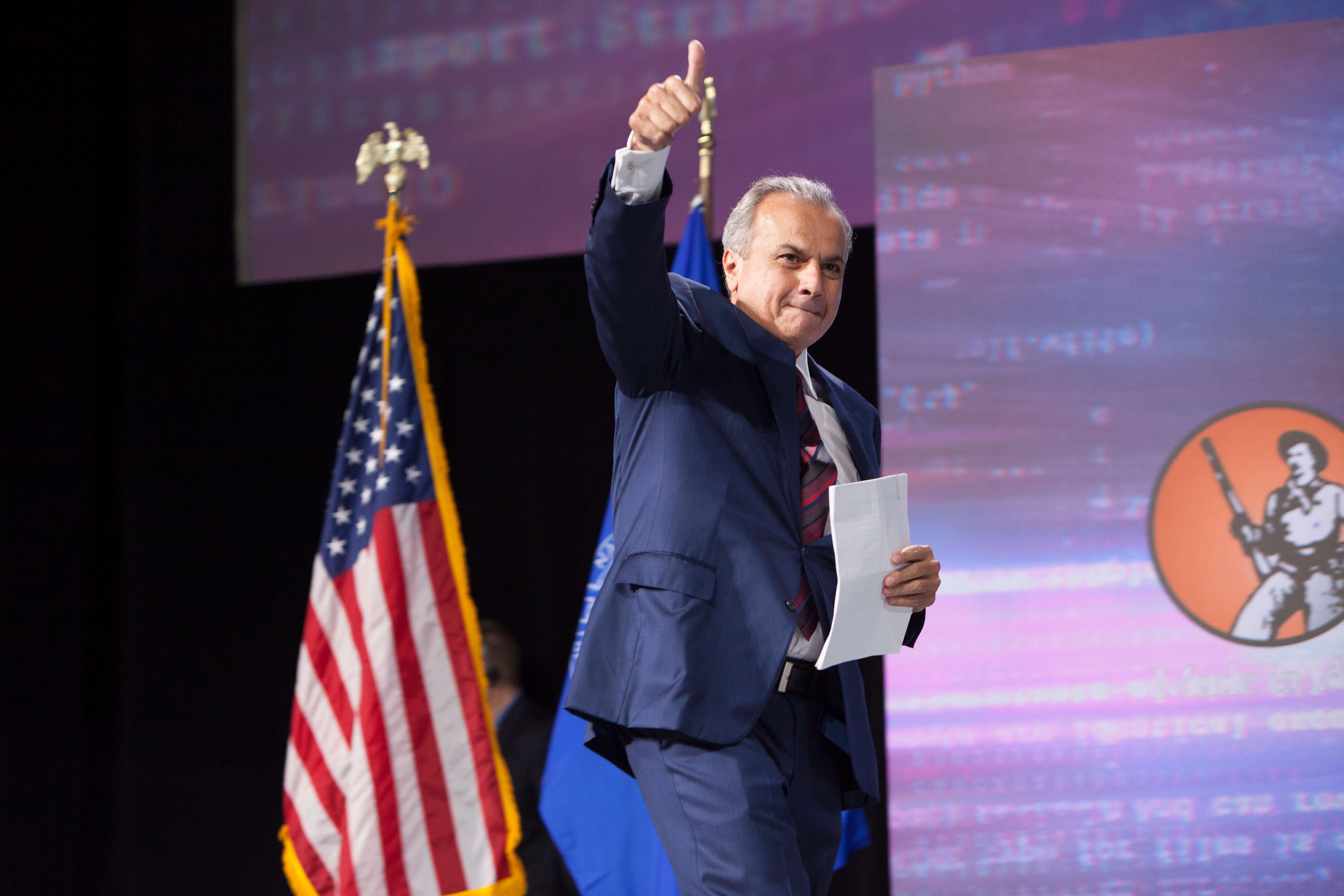
Anthony Imperato didn't plan to lead Henry Repeating Arms. He grew up behind the counter at his family's gun shop in Brooklyn, New York. That experience shaped everything he'd build later. Today, Henry produces lever-action rifles, .22 caliber firearms, and shotguns trusted by gun owners nationwide. The company generates tens of millions in annual revenue.
Imperato took over Henry Repeating Arms when the brand nearly collapsed in the 1990s. The company had lost market relevance and faced serious financial pressure. He rebuilt it through relentless focus on quality, authenticity, and listening to what shooters actually wanted. Henry rifles now compete directly with Marlin, Winchester, and other established names.
Why It Matters for Gun Owners
Henry's resurgence proves that a gun company can succeed by respecting its customer base. Imperato didn't chase trends or abandon the brand's heritage. Instead, he honored Henry's lever-action legacy while modernizing manufacturing. His approach created firearms that work reliably without sacrificing traditional aesthetics.
For daily carriers and serious shooters, Henry's story matters because it shows what happens when leadership actually understands firearms. Imperato spent years selling guns to real people. He heard their complaints. He learned what failed in the field. That knowledge informed every decision at the factory.
Henry rifles consistently perform well in consumer reviews and competitive shooting. The company's .22 caliber offerings provide affordable practice platforms for rifle fundamentals. Their lever-action rifles appeal to hunters, sport shooters, and those valuing American manufacturing. Prices range from under $300 for entry-level .22s to $1,200+ for premium centerfire models.
From Counter to Factory Floor
Imperato's path wasn't typical for a firearms executive. Working retail taught him brutal lessons about product reliability and customer expectations. He saw which guns returned with problems. He watched which models stayed in stock because customers trusted them.
When he acquired Henry, the company manufactured firearms inconsistently. Imperato demanded higher standards. He invested in better tooling, quality control, and worker training. He made unpopular decisions that cost money short-term but built brand credibility long-term.
His strategy included reviving classic Henry designs while introducing modern features customers requested. The Golden Boy series combined aesthetics with dependable performance. The lever-action rifles gained reputation for smooth action and tight tolerances. The .22 rifles became go-to trainer platforms for serious shooters introducing newcomers to marksmanship.
Imperato also recognized that gun owners appreciate transparency. He spoke openly about manufacturing decisions and sourcing. He didn't hide the fact that some components came from overseas suppliers—he explained why and maintained quality standards regardless of origin.
DownRange Bottom Line
Anthony Imperato's leadership at Henry Repeating Arms demonstrates how customer focus drives success in firearms manufacturing. He built a major company not through marketing gimmicks or political positioning, but by making reliable guns at fair prices.
Gun owners benefit when manufacturers prioritize quality and longevity over quarterly earnings. Henry's continued growth proves that strategy works. For shooters evaluating lever-action rifles or .22 caliber platforms, Henry's guns deserve serious consideration. The company's success story—built on counter experience and manufacturing excellence—speaks to why these firearms perform consistently in the field.