A 1895 Winchester Built to Hunt Quietly Hits Auction Dec. 4
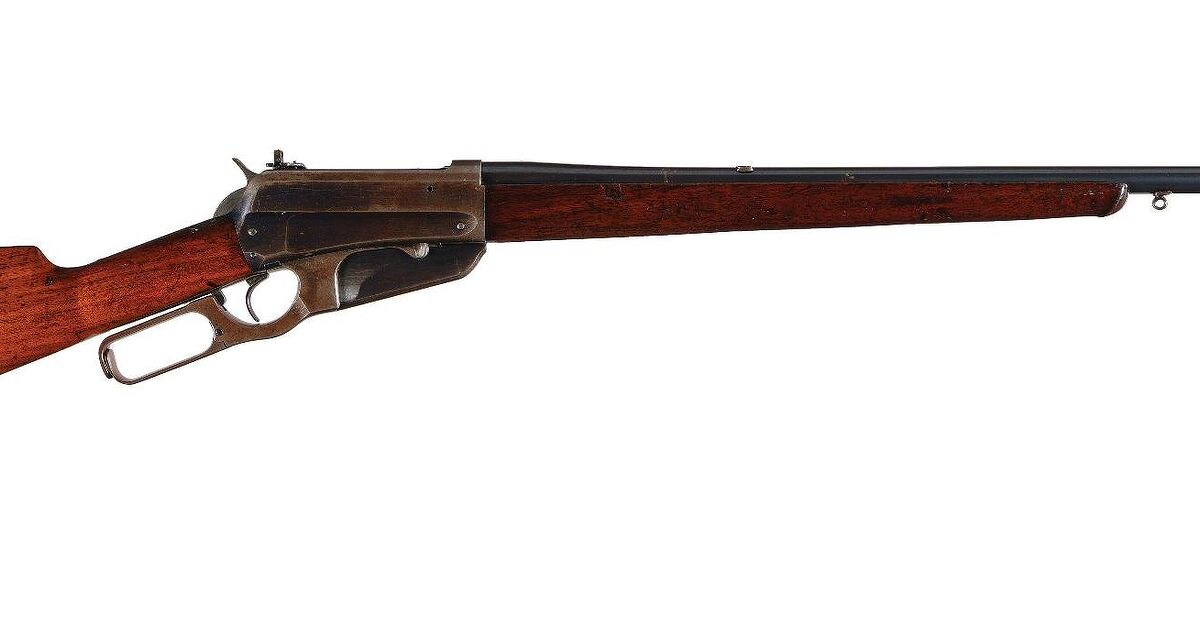
A special-order Winchester Model 1895 with a threaded muzzle goes to auction on December 4, 2026, at Rock Island Auction Company in Bedford, Texas. The rifle left the factory-era New Haven plant as a custom build, and its threaded barrel points to one purpose: quiet hunting. Rock Island's catalog does not include a suppressor. The original can has been gone for generations, and the rifle now needs a modern can or a period piece to shoot as its maker intended. For a gun owner, this rifle is a reminder that suppressed hunting is older than the current political fight over it.
Key Details
The rifle is a Winchester 1895 chambered for .30-40 Krag. Winchester built it to special order, a service the company offered to buyers who wanted options beyond the standard catalog. The customer ordered a threaded muzzle to accept a suppressor.
- Auction house: Rock Island Auction Company
- Sale date: December 4, 2026
- Location: Bedford, Texas
- Model: Winchester 1895, special order, New Haven production
- Caliber: .30-40 Krag
- Muzzle: Threaded for suppressor attachment
- Accessories: No suppressor listed with the rifle
- Condition: Serviceable, described as usable rather than pristine
The auction copy suggests the rifle could fire, which matters for a collector who wants to shoot it. Ammunition in .30-40 Krag is scarce but available from specialty makers, and reloaders can produce it from component brass and bullets. The threaded muzzle also makes it easier to fit a current-production suppressor than the pinned or clamped attachments used on early 20th-century guns.
Background
Suppressor history starts with Hiram Percy Maxim, the son of Hiram Stevens Maxim, who invented the Maxim machine gun. Maxim watched his father lose hearing after decades at the range. In 1902 he began designing a device to fight noise. He noticed that water spinning out of a draining bathtub slowed as it moved, and he applied the same fluid behavior to exhaust gas leaving a muzzle. He patented the design in 1909. He also built automobile mufflers on similar principles.
Maxim's design was not the first suppressor patent, but it was the first to reach the market in volume. Buyers were mostly sportsmen who wanted to protect their ears. Criminals were not the core customer base, despite what later films and gun-control messaging suggest. Manufacturers such as Winchester then offered suppressor-ready options on custom rifles, which explains why a rifle like this exists.
The National Firearms Act of 1934 changed everything. It placed suppressors and short-barreled rifles under registration and a $200 transfer tax, a steep sum in the Depression era. Those rules kept the market small for decades. In 2025, Congress passed the One Big Beautiful Bill Act, which reduced the NFA transfer tax on suppressors and short-barreled rifles to zero, effective January 1, 2026. Registration still applies, but the tax barrier that defined the market is gone.
Why It Matters for Gun Owners
The tax change affects every owner who has waited years to buy a can. If you live in a state that allows suppressors, you can now shop with fewer federal hurdles. You still need an approved ATF Form 4 and a wait for approval, but the $200 stamp no longer stands between you and a suppressor. Hunters should check their state hunting regulations, because some states still ban suppressed hunting or restrict it to certain seasons and game.
Collectors face a different issue. Older NFA-era rifles and accessories now carry a higher demand, and prices for period-correct cans may rise as more buyers enter the market. Anyone bidding on the Winchester should verify its serial number, its NFA status, and whether the threaded muzzle is original. A non-matching barrel or altered muzzle can lower value and complicate future transfers.
Watch the state side. Several states have moved to restrict or ban common firearms and accessories in the past few years. A suppressor that is legal federally can still be illegal to own in a given state, so check local law before any purchase or transport. Carry a copy of your ATF approval and keep your paperwork organized.
DownRange Analysis
This rifle makes a strong historical argument. Suppressors were sold to hunters for hearing protection, and manufacturers offered them as a catalog option long before the NFA existed. Under New York State Rifle & Pistol Association v. Bruen (2022), the government must justify modern firearm restrictions by pointing to historical analogues. A 1900s firearm sold with suppressor-ready hardware and a hearing-protection purpose helps owners argue that the device is a common, longstanding tool. Courts will still weigh the NFA's registration scheme, but the history favors owners.
For the market, expect the Winchester to bring a premium. Period-correct NFA-era pieces with original muzzle hardware often draw serious bidders. Owners who want to shoot the rifle should buy a modern suppressor rated for the .30-40 Krag, confirm mounting compatibility, and avoid any modification that changes the rifle's legal status. Right now, the practical move is simple: check your state's rules, file your paperwork correctly, and keep your hearing protected at the range.