Action Type Matters Less Than You Think for Hunting Success
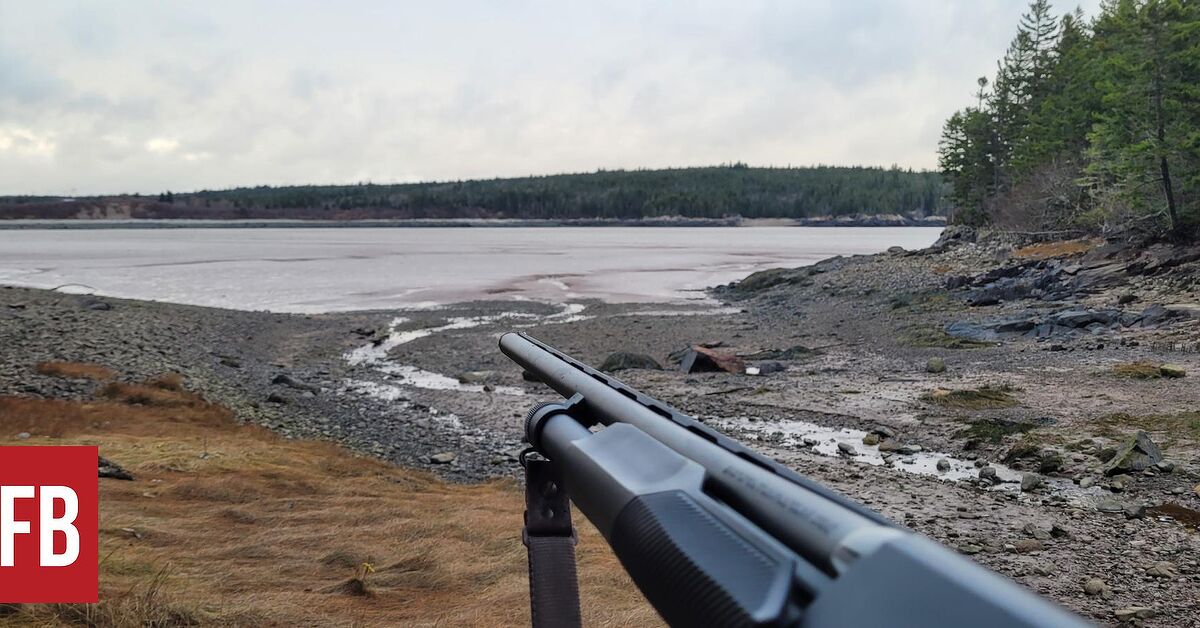
The pump-action versus semi-auto shotgun debate has consumed countless hunting camps, but the hard truth is simple: both work equally well for upland birds and waterfowl. Whether you're chasing pheasants, grouse, woodcock, ducks, or geese, your choice of action won't make or break your season. What matters is ammunition selection, shot placement, and time in the field.
Too many hunters obsess over mechanical differences when they should focus on fundamentals. A quality pump shotgun from Mossberg or Remington performs identically to a semi-auto from Beretta or Benelli in the field. The gun you shoot best is the gun you should carry.
Why It Matters for Gun Owners
Your shotgun choice directly impacts follow-up shots, recoil management, and reliable function in adverse conditions. Pump actions require manual cycling between shots—a skill that demands practice but builds muscle memory. Semi-autos absorb recoil through gas or inertia systems, reducing fatigue during long days afield and enabling faster target acquisition on second birds.
Cost separates these platforms significantly. New pump shotguns run $300-$500. Semi-autos start around $800 and climb toward $2,000 for premium models. Budget hunters get adequate performance from pumps. Those prioritizing comfort and speed justify semi-auto expenses.
Reliability under real conditions matters most. Pump actions rarely fail—you control the action. Semi-autos depend on proper ammunition and maintenance. Underpowered loads or fouled gas ports cause malfunctions. Water, mud, and freezing temps test both platforms equally, but pumps prove more forgiving in neglect.
Shot count per second favors semi-autos. A practiced shooter cycles a pump fast enough, but semi-autos deliver faster target transitions on flocks or coveys. When birds flush unexpectedly, that mechanical advantage saves hunts.
Background
American shotgun culture splits sharply between action types. Waterfowl hunters traditionally favored semi-autos for heavy loads and fast follow-ups on incoming flocks. Upland hunters preferred pumps for lighter recoil and simplicity. Modern ammunition blurred these distinctions—both actions now handle identical loads safely and reliably.
The 12-gauge dominates both categories. 20-gauge options exist in pumps and semi-autos, providing lighter recoil for smaller hunters. 16-gauge ammunition scarcity makes older guns less practical today. .410 shells cost premium prices, limiting their hunting utility.
Gas-operated semi-autos (Benelli M2, Beretta A400) cycle softer than inertia models (Benelli Super Black Eagle). Shooters with weak shoulders or aversion to recoil notice immediate differences. Pump-action recoil depends entirely on shooter technique and stock design.
Maintenance schedules differ. Semi-autos require regular cleaning and occasional parts replacement. Pumps accept abuse with minimal service. Hunters operating from vehicles or boats prefer semi-auto reliability. Ground-pounders trudging through brush tolerate pump simplicity.
DownRange Bottom Line
Buy the shotgun matching your budget and shooting style. Neither action provides inherent superiority for hunting birds. A $400 used Remington 870 kills geese as effectively as a $1,500 Benelli. Spend your money on quality ammunition, choke tubes, and practice instead.
Shoulder time separates successful hunters from frustrated ones. Pick your platform, master it completely, then focus on reading wind, working dogs, and executing clean shots. The action type becomes irrelevant once you develop consistency.