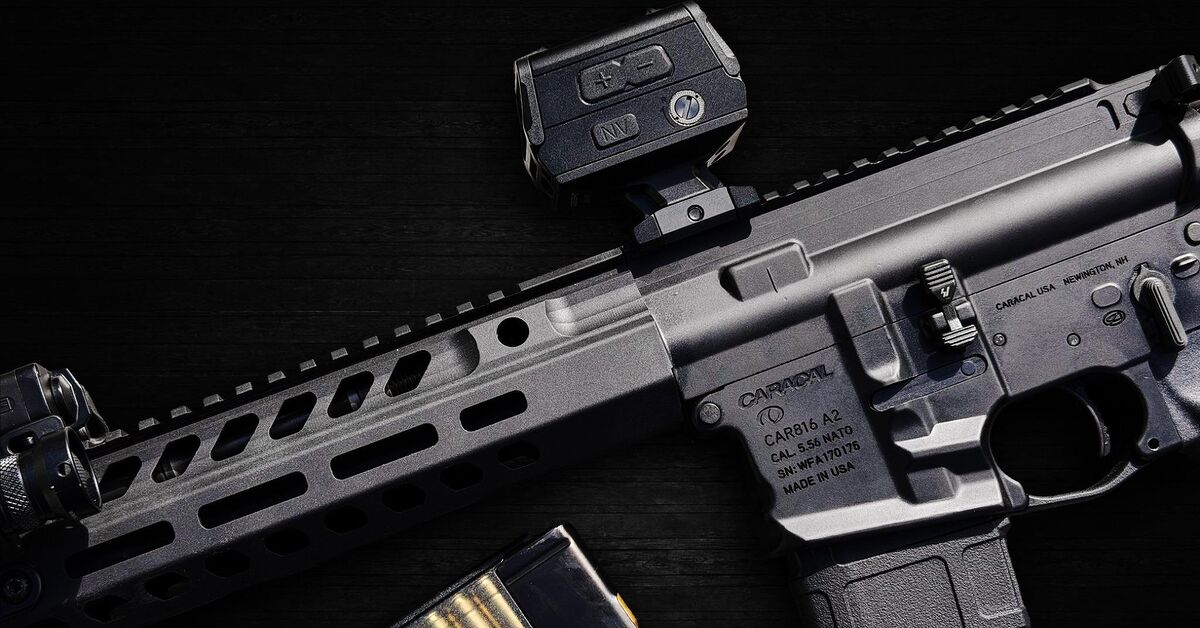
7mm Magnum Round Proved Inadequate Against Large Game
A Quebecois hunting guide watched a shooter squeeze the trigger on a bull moose at point-blank range with a 7mm Magnum. Nothing happened. The round failed to drop the animal despite a solid sight picture on the sternum. This real-world failure raises hard questions about caliber selection for thick-bodied game animals and what actually works versus what hunters assume will work.
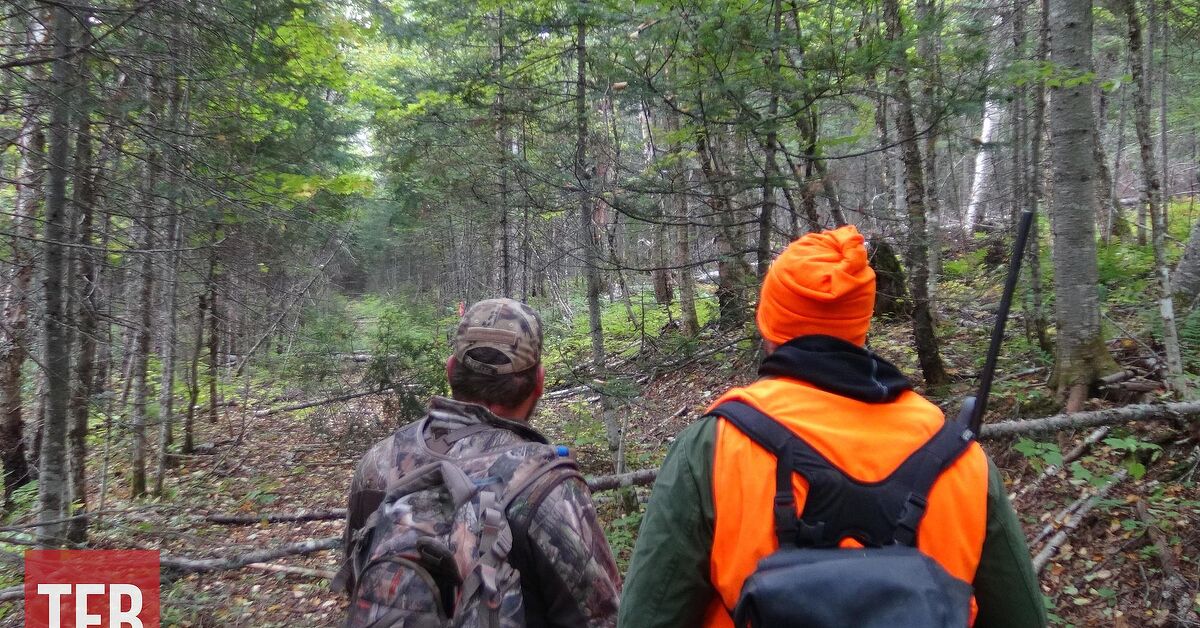
The shooter had drawn a coveted moose tag and was set up for success. Guide Jason Tremblay had positioned the hunting party on a prime bull. The distance was close enough for a clean shot—no excuses about range or angle. The 7mm Magnum is marketed as a premium cartridge for large game. Yet when tested against a living, breathing moose, it failed at its fundamental job: stopping the animal.
Why It Matters for Gun Owners
This incident cuts through marketing hype and ballistic charts. Hunters spend thousands on rifles, scopes, and ammunition. Many choose calibers based on magazine articles and gun forum recommendations rather than field results. The 7mm Magnum carries prestige and velocity numbers that look impressive on paper. Actual performance against heavy bone structure and thick muscle tells a different story.
Daily carriers and hunters need honest data about what rounds actually do when they matter. A failed shot on a trophy animal represents wasted opportunity, wasted tag, and ethical failure. The moose didn't drop because foot-pounds of energy and velocity don't equal reliable penetration and trauma when game is built like a bulldozer with four legs.
Guides and experienced hunters know certain calibers perform reliably on moose. Others don't. The 7mm Magnum sits in a gray zone—powerful enough for elk, often inadequate for moose. Choosing the right tool before the shot goes downrange beats learning lessons when it's too late.
Background
North American moose represent the largest deer species. A bull can exceed 1,500 pounds and pack muscle density that stops bullets designed for lighter game. Vital organs sit deep inside a massive chest cavity protected by ribs the diameter of pipe. Penetration depth matters more than velocity at close range.
Guides working Quebec's hunting territory see dozens of caliber and rifle combinations each season. They observe what works consistently and what fails in real conditions. When a guide witnesses a premium magnum round fail, that's field intelligence worth hearing.
The incident raises the old debate: what's the minimum caliber for moose? Consensus among professional guides and outfitters points to .300 Magnum minimum, with .338 Lapua Magnum and larger cartridges offering better margins. The 7mm Magnum operates below that threshold despite higher velocity.
DownRange Bottom Line
Don't let magazine covers and marketing departments choose your hunting caliber. Field results trump ballistic charts every time. A bull moose that survives a 7mm Magnum shot proves the cartridge belongs on elk and deer, not on heavy North American game. Hunters with moose tags should run .300 Magnum or larger. Choose the caliber that matches the animal, not the one that matches your rifle cabinet. One failed shot teaches an expensive lesson.